
Mercedes secured pole position in Melbourne, but the post-qualifying discussion quickly turned to the drivers’ first impressions of the new 2026 Formula 1 regulations – and the feedback was overwhelmingly negative.
Concerns about the upcoming rule changes have been building since pre-season testing in Bahrain, where Max Verstappen famously described the new rules as “Formula E on steroids.” The Red Bull driver expanded on those criticisms during a media event in the Netherlands, and reiterated them after qualifying on Saturday.
“It already felt really bad in the simulator, even to the point that I didn’t want to drive it. I’ve already explained that and it’s just the same now,” Verstappen said. “I’m not enjoying it at all. It doesn’t matter to me where I qualify. Whether it would have been at the front or where I am now, emotionally and in terms of feeling it’s completely empty.”
Straight-Mode Zones Spark Debate
The criticism wasn’t limited to public comments. A drivers’ briefing in Melbourne reportedly ran longer than usual, with a particularly intense discussion surrounding the track’s straight-mode zones.
The FIA initially proposed removing the fourth zone, located between Turns 8 and 9, but the idea met resistance from most teams. Sources indicate Audi was a key proponent of the change, with Gabriel Bortoleto voicing the strongest objections during the briefing.
Gabriel Bortoleto, Audi F1 Team
Photo by: Jayce Illman / Getty Images
Bortoleto later downplayed his involvement, stating, “I didn’t create that comment. Everyone is talking about it. There are people that talked five times more than me. The only thing I said is that with SM [straight mode] on, I had a bit of understeer and almost crashed with one of the Ferraris because of the close fighting. I think people are saying that I said [things] about SM, but there were people… that were pushing much harder than me.”
Drivers Voice Concerns
Following the discussion about the track, the briefing turned to the new regulations more broadly. Lewis Hamilton and Verstappen both spoke out, though Verstappen later cautioned against publicly revealing details of the drivers’ meetings.
“I mean, it’s a bit weird that you know, drivers shouldn’t be speaking [about these meetings to the press] or other people,” Verstappen said. “That’s not very professional, I find, from the people involved. But anyway, yeah, I said how I thought about it. I’m definitely not having fun at all with these cars. You can make up your mind, but I think if you gaze at the onboards, you see enough, right?”
Verstappen emphasized that the issues with the energy-limited cars weren’t unexpected, and that the rulemakers were warned about them. He raised concerns after his initial simulator runs in 2023, but felt the drivers weren’t adequately listened to.
Now, with potential solutions being discussed, Verstappen added, “Well, it’s a bit late for that now, isn’t it?”
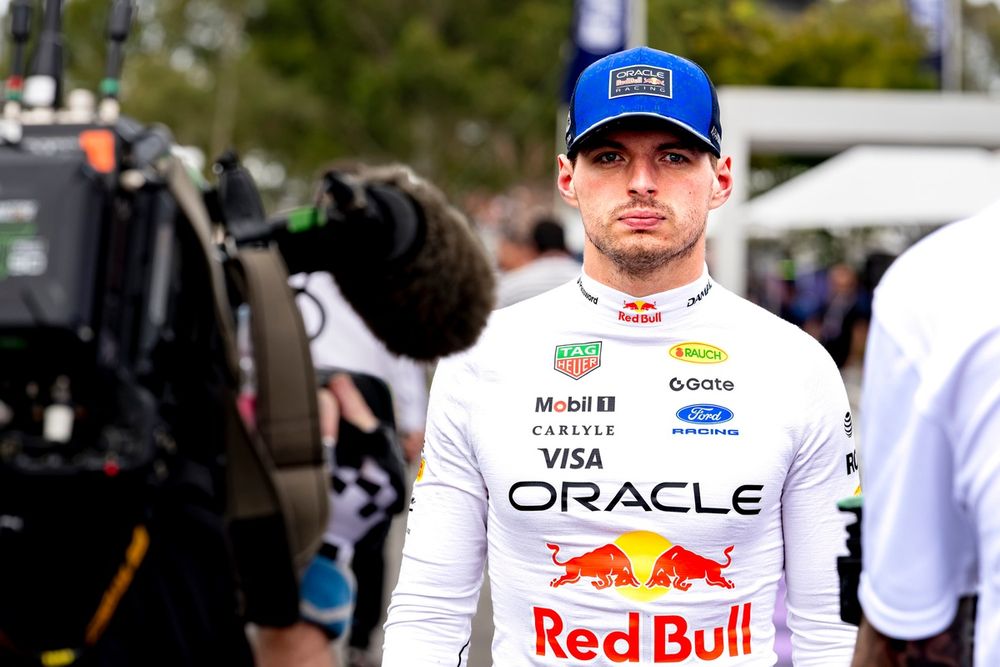
Max Verstappen, Red Bull Racing
Photo by: Marcel van Dorst / EYE4images / NurPhoto via Getty Images
Lance Stroll also voiced his concerns during the meeting. The Canadian believes F1 cars have been getting worse each year, and sees the 2026 regulations as another step backward, a sentiment he echoed publicly after qualifying.
“It would be nice, I think, to have some cars that sound good, a little bit less complicated, and just more like normal, good racing,” he said. “We have the green fuel now, we can go racing with sustainable fuel, and we could have engines that sound really good in light cars. I think it’s a shame that, as a sport, we’re not doing that.”
Norris Calls 2026 Cars “The Worst Ever”
Lando Norris initially offered positive feedback on the new rules during winter testing in Bahrain, but later clarified that he was attempting to gauge a reaction from Verstappen. His true feelings, he admitted, were much closer to those of the reigning champion.
Norris went even further after qualifying in Melbourne, stating, “We’ve approach from the best cars ever made in Formula 1 and the nicest to drive to probably the worst. It sucks, but you have to live with it.” When asked if he found any redeeming qualities in the new cars, Norris paused for seven seconds before replying, “Not really, no.”
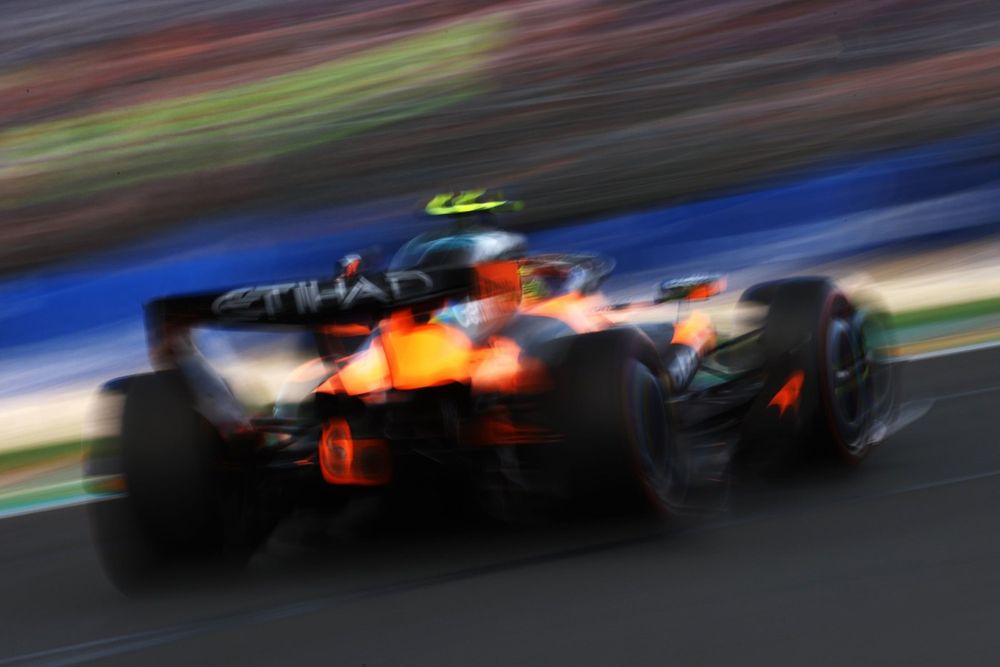
Lando Norris, McLaren
Photo by: Alastair Staley / LAT Images via Getty Images
Norris added that the drivers are motivated by a desire to improve the sport, stating, “I think we have the interest of the sport in our minds better than others. We also want the best for the sport, we don’t try and do things to make it more fun for us. We try and do it so it’s cooler cars, better to watch, more exciting, all these different things.”
He continued, “The rules have been changed because that’s what manufacturers want. But if you have probably 18 of the drivers complaining, actually it’s 20, 20 of the drivers complaining, I don’t know what’s better for the sport or not.”
Potential Solutions Under Review
The FIA is evaluating potential adjustments, with a review scheduled after the Chinese Grand Prix. Options include modifying energy harvesting and deployment parameters. Reducing the amount of energy drivers can recover per lap could lessen the necessitate for lift-and-coast tactics. The percentage of electrical power used during races could also be lowered.
Verstappen cautioned that reducing electrical power could lead to slower lap times, a trade-off the FIA may be reluctant to accept.
Regarding energy harvesting, McLaren tested “super clipping” up to the maximum of 350 kilowatts in Bahrain, but Oscar Piastri believes this isn’t a complete solution. “At the moment if you lift, you can harvest 350 kilowatts, so a super clip at 350 is the same as a lift. The only difference is one of them you’re actually off the throttle and in control of it, the other one you’re at full throttle. I’m not sure it’s any more helpful.”
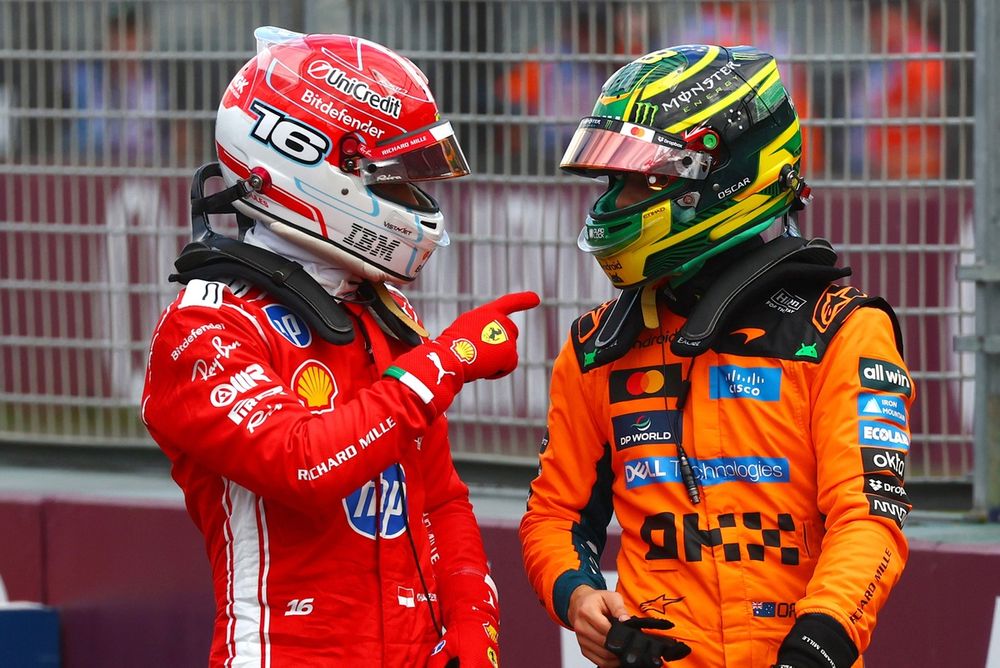
Charles Leclerc, Ferrari, Oscar Piastri, McLaren
Photo by: Joe Portlock / Getty Images
most drivers agree that the new cars present significant challenges. Whether a viable solution can be found remains to be seen, but the initial results from Melbourne have highlighted the fundamental issues with the 2026 regulations.
