
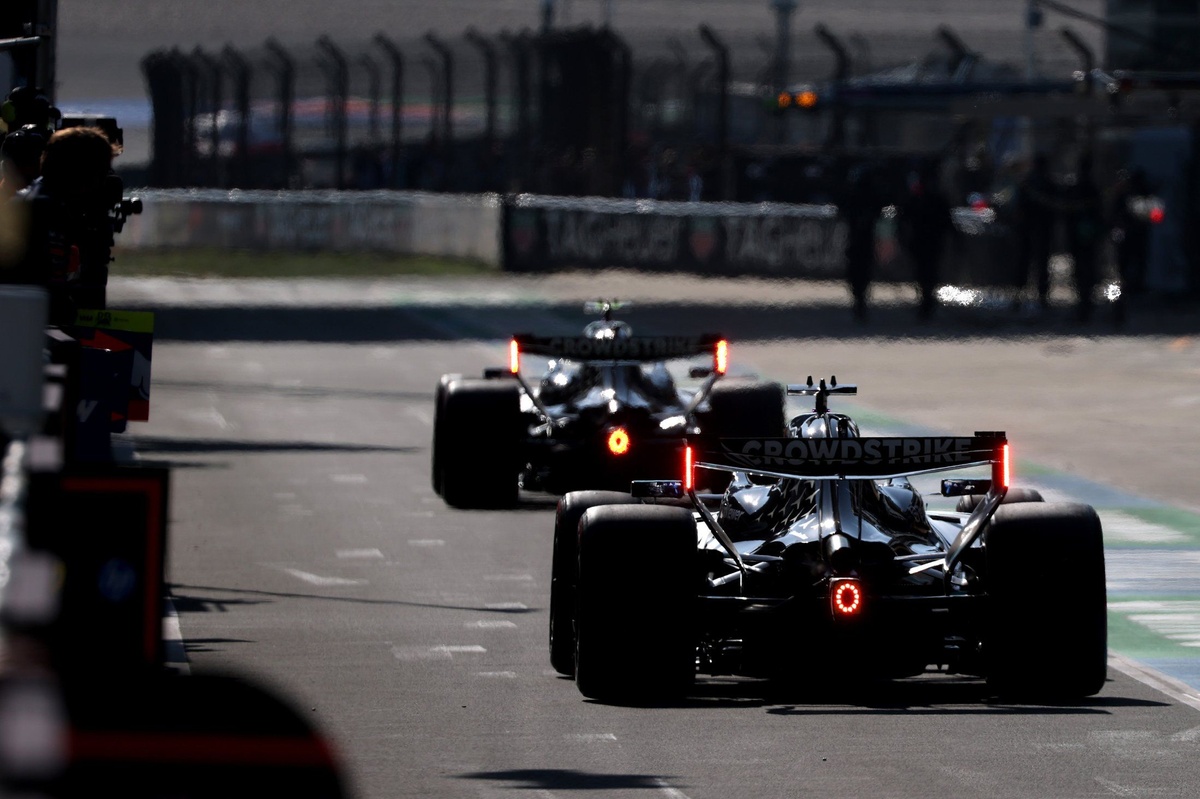
F1 Adjusts Qualifying Energy Rules for Japanese Grand Prix
Formula 1 officials have adjusted energy deployment regulations for qualifying at this weekend’s Japanese Grand Prix, aiming to improve the on-track action at the Suzuka Circuit. Drivers will now be limited to a maximum energy recovery of 8 megajoules during qualifying laps, down from the previously allowed 9 megajoules.
The change comes after discussions between the FIA, F1 teams, and power unit manufacturers following concerns about “super clipping” – a technique where drivers can recharge energy while remaining at full throttle – at recent races. Circuits like Melbourne and Suzuka have been described as “poor in recovery,” leading to situations where drivers were reaching maximum energy levels well before braking zones, potentially reducing the challenge and excitement of qualifying.
At the Australian Grand Prix, onboard footage showed drivers experiencing uncomfortable conditions as they approached corners 9 and 10, even during George Russell’s pole-winning lap. Drivers were hitting super clipping much earlier than usual, which forced them to slow down before the braking point. Similar issues were reported by Charles Leclerc and Oscar Piastri during practice at the Chinese Grand Prix, where they felt penalized for pushing for faster times.
Following the Chinese Grand Prix, teams agreed that while the races themselves were entertaining, qualifying could be improved. The initial decision was to hold off on changes until the Miami Grand Prix, but the FIA has now moved that timeline up.
“Following discussions between the FIA, the F1 teams and the power unit manufacturers, an adjustment to the energy management parameters for the Japanese GP qualifying has been agreed, with the unanimous support of all the power unit manufacturers,” the governing body stated. “To ensure the intended balance between energy deployment and driver performance is maintained, the maximum allowed energy recharge for this weekend’s qualifying has been reduced from 9.0 MJ to 8.0 MJ. This adjustment reflects feedback from drivers and teams, who have emphasized the importance of maintaining qualifying as a performance challenge.”
The FIA confirmed that the change was made after further simulations showed teams would be relying on super clipping more than initially anticipated at Suzuka. While the adjustment is a departure from the usual four-week notice period for regulatory changes, the FIA stated it was necessary given the circumstances.
The energy deployment rules for Sunday’s race remain unchanged. The FIA reiterated its belief that the overall product of the 2026 regulations is currently in a good position, and that this adjustment is part of the ongoing optimization process.
Andrea Kimi Antonelli, Mercedes
Photo by: Lintao Zhang / LAT Images via Getty Images

Queremos tu opinión
¿Qué le gustaría ver en Motorsport.com?
– El equipo de Motorsport.com
