
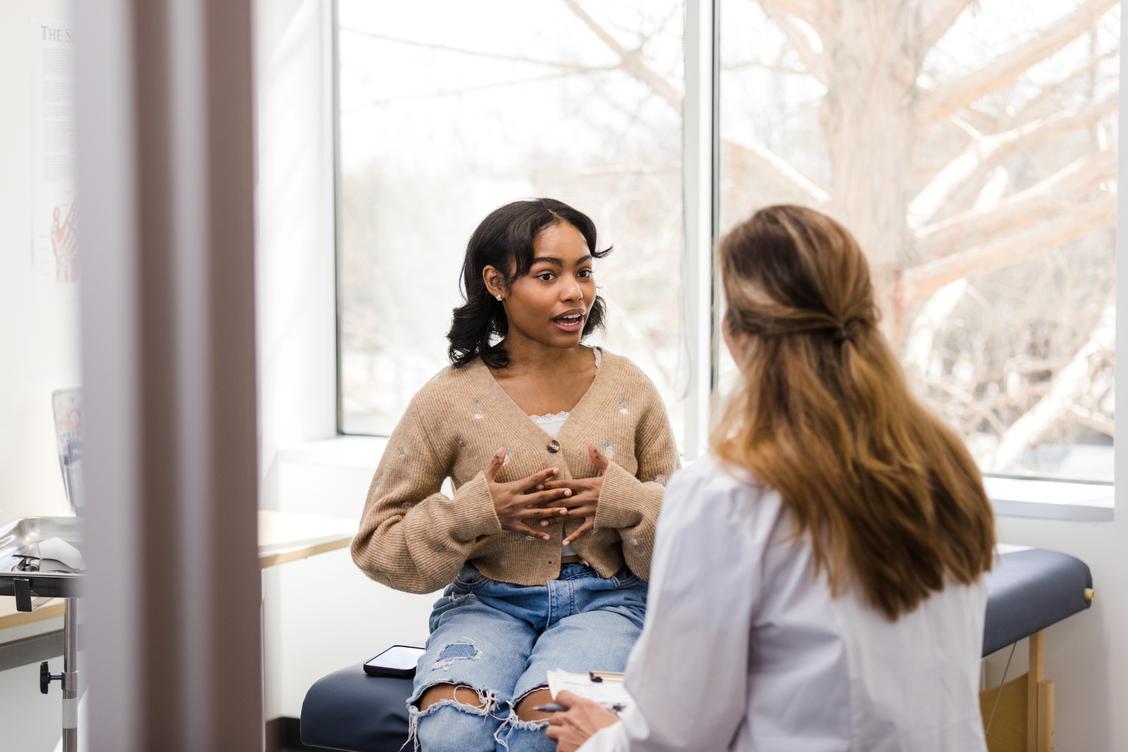
Navigating the world of reproductive health can be daunting, particularly for young people facing a myriad of questions and often misinformation.This article addresses a common concern: when should a young woman schedule her first gynecological appointment? Experts emphasize there’s no one-size-fits-all answer, and proactive, informed healthcare is key for building comfort and addressing individual needs, as well as acknowledging the importance of sexual health resources for young men as well.
For many young women, the first gynecological appointment marks a significant step into adulthood and taking control of their health. But knowing when to schedule that first visit can be confusing.
Do you wait until after you start your period, or after becoming sexually active? Experts say there’s no single right answer, and the timing depends on individual needs and concerns.
Dr. Camille Paturaud, a gynecologist-obstetrician in Nice, France, frequently guides adolescents and their families through this important milestone. She emphasizes that proactive healthcare is key for young women.
When Should You Schedule Your First Appointment?
There isn’t a specific age for a first appointment. It’s more about addressing individual questions and concerns. A visit is beneficial whenever a young woman begins to wonder about her body, puberty, or sexual health, or experiences symptoms like pain, very heavy periods, or irregular cycles. It’s perfectly acceptable to schedule an appointment simply for information and to better understand how your body works – you don’t need to wait for a specific event like the start of menstruation or sexual activity.
Choosing the Right Healthcare Professional
Several types of healthcare providers can offer this initial consultation, including gynecologists, general practitioners, nurse-midwives, and professionals at family planning clinics. The most important factor is finding someone with whom the young woman feels comfortable, regardless of gender. Appointments can take place in a doctor’s office, health center, hospital, or family planning clinic.
Is a Parent’s Presence Necessary?
A young woman can attend the appointment alone or with a parent, trusted adult, or friend, depending on what makes her feel most at ease. Typically, the consultation begins with the accompanying adult present to discuss medical history, then continues privately with the young woman. This one-on-one time is crucial for openly discussing sensitive topics like sexuality, contraception, and personal concerns. Medical confidentiality applies, even for minors.
What is the Goal of the First Visit?
The primary focus is usually a discussion about menstruation, how the body functions, and topics related to sexual health, contraception, and preventing sexually transmitted infections (STIs). This consultation is also an opportunity to address misinformation circulating on social media, such as claims that “the pill causes infertility,” “you can’t get pregnant during your period,” or “tampons are dangerous.” A pelvic exam isn’t routinely performed during the first visit and is only conducted with the patient’s consent, particularly if specific symptoms are present.
Can Contraception Be Discussed During the First Visit?
A discussion about contraception is possible if the young woman expresses a clear interest, but a prescription is usually only provided after a health assessment, including a blood test to rule out any contraindications.
When Should You Seek Urgent Care?
It’s important to schedule a prompt appointment if you experience severe lower abdominal pain, unusual bleeding, itching, have had unprotected sex, or a significantly delayed period. When making the appointment, be sure to mention the urgency of the situation.
How to Prepare for Your First Visit
Writing down a list of questions beforehand, even those that seem minor, can help ensure a productive and comfortable appointment. Addressing doubts or concerns raised by friends about periods, protection methods, or contraception can help you receive reliable and personalized answers.
What About Young Men?
Young men also deserve access to healthcare for their intimate and sexual health questions, although seeking care is still less common. “The general practitioner, family planning clinic, or urologist (a specialist in the uro-genital system) are natural resources for discussing puberty, growth, male contraception, STI prevention, or any concerns about their sexual health.”
Resources for Young People
A brochure titled “The First Gynecological Consultation” (1), created by the Sparadrap association with support from Santé publique France, provides a step-by-step guide to what to expect during a first gynecological appointment. This resource aims to empower young women to feel prepared and confident about seeking care.
