
Former Google Scientist Predicts AI Will Enable ‘Time Travel’ via Digital Consciousness by 2029
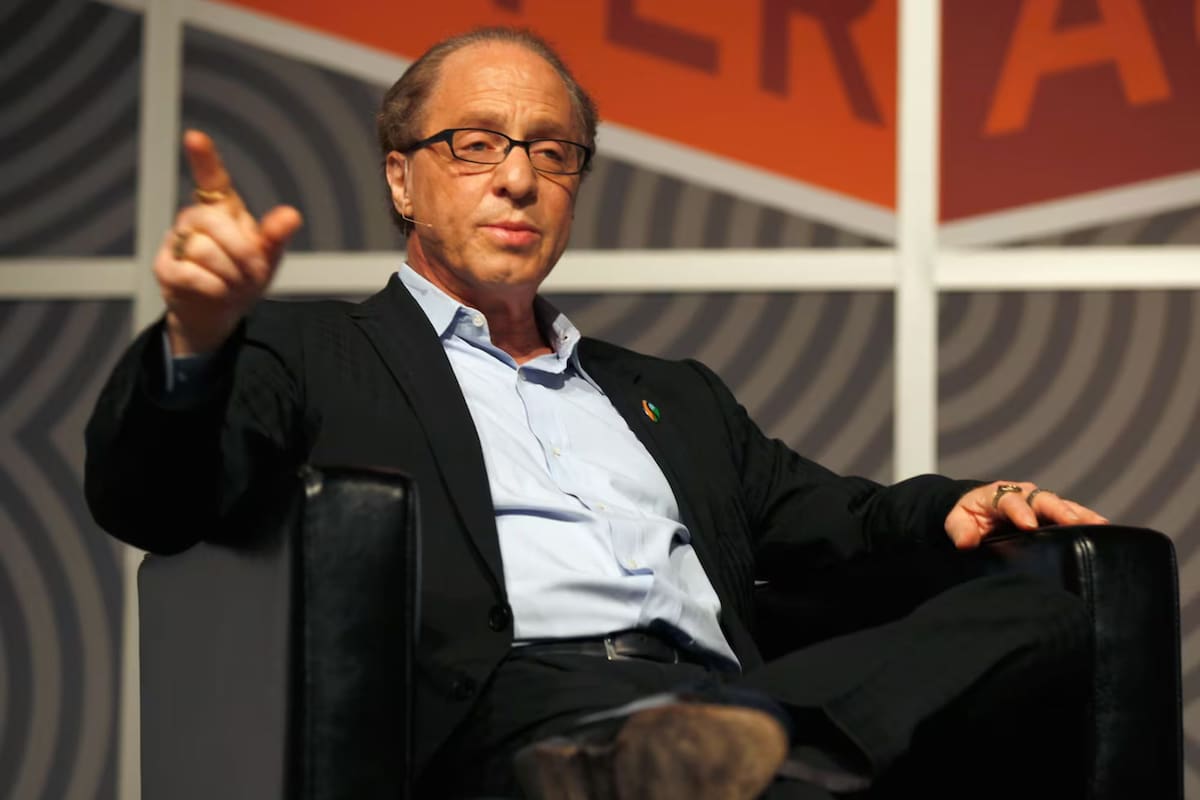
Ray Kurzweil, a renowned futurist and former Google scientist, has proposed a provocative vision of the near future where the boundaries between biological life and artificial intelligence vanish. According to Kurzweil, the advancement of AI will eventually allow humans to effectively travel back in time
by utilizing digital backups of human consciousness.
This concept does not refer to literal temporal travel, but rather to the ability to map and store the human mind. Kurzweil suggests that once the brain’s data can be captured and archived, individuals could restore their consciousness to a previous state, essentially reversing the effects of aging or trauma by returning to a younger, digital version of themselves.
The roadmap to this evolution begins with a critical milestone in the next few years. Kurzweil predicts that by 2029, artificial intelligence will achieve human-level intelligence and successfully pass the Turing test, making AI indistinguishable from human cognition.
“By 2029, AI will pass a valid Turing test,” Ray Kurzweil
This leap in AI capability is viewed as the precursor to a much larger shift known as the Singularity. Kurzweil anticipates that by 2045, the merger of biological and non-biological intelligence will occur. During this phase, he believes humans will integrate with AI to expand their cognitive abilities billions of times over, fundamentally altering the nature of human existence.
The move toward digital consciousness highlights a broader ambition within the tech sector to overcome biological limitations, such as disease and death. By transitioning from fragile biological hardware to more durable digital substrates, Kurzweil argues that humanity can achieve a form of immortality.
This trajectory signals a shift in how innovation is viewed—not merely as a tool for efficiency, but as a means of evolutionary acceleration. As AI continues to evolve, the prospect of neural mapping and consciousness uploading moves from the realm of science fiction toward a theoretical engineering goal.
