
Fuel Costs Disproportionately Impact Lower-Income Households
Lower-income households are bearing the brunt of high fuel prices, with those who drive significant distances potentially allocating as much as 17.6% of their income to gasoline, according to recent research. The findings suggest that whereas broad-based fuel tax reductions may offer some relief, the benefits are not evenly distributed, and higher earners tend to profit more.
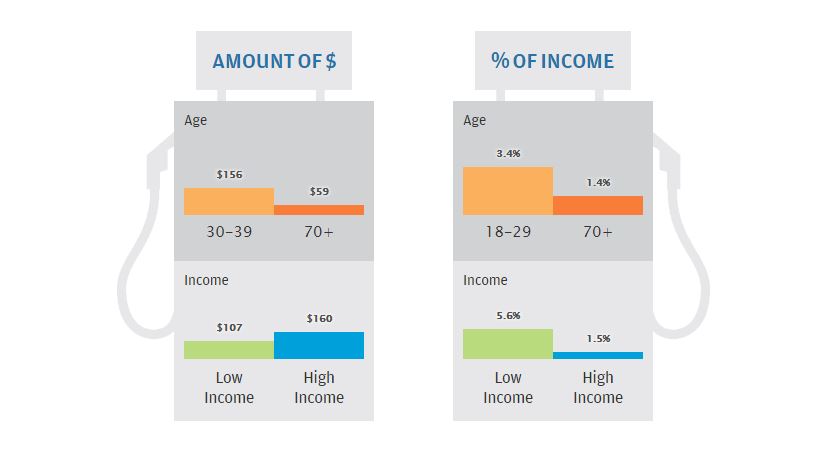
The research, conducted by TNO, indicates that households with lower incomes spend a considerably larger portion of their earnings on fuel, particularly when extensive driving is necessary. This dynamic is especially pronounced in regions like North Netherlands, Zeeland, and Limburg, as well as certain suburban areas of major cities.
A reduction in fuel taxes, while intended to alleviate financial strain, primarily benefits those with higher incomes, as they are more likely to own vehicles and are better positioned to absorb cost fluctuations. “Especially the higher incomes benefit from it,” stated Peter Mulder, a researcher at TNO. This disparity raises questions about the effectiveness of such measures in addressing economic inequality.
The study also anticipates behavioral adjustments among consumers in response to sustained high prices. Individuals may opt to reduce their driving, explore carpooling options, utilize bicycles, or embrace public transportation. This mirrors patterns observed during previous energy crises, such as the one following Russia’s invasion of Ukraine, where consumers responded to soaring gas prices by lowering thermostats and investing in home insulation.
According to NU.nl, the impact of fuel tax reductions is limited, offering only modest savings while exacerbating existing inequalities. The findings underscore the challenges policymakers face in designing effective energy policies that address both affordability and equity.
The Dutch government has been considering various measures to mitigate the impact of rising fuel costs, but the TNO report suggests that a broad-based tax cut may not be the most efficient solution. NOS reports that such a move would be costly for the government and would disproportionately benefit higher earners.
KNAC highlights that lowering fuel taxes is “extremely inefficient” in providing targeted relief to those most in need. The report suggests that alternative strategies, such as targeted assistance programs, may be more effective in supporting vulnerable households.
