
Samsung’s forthcoming Galaxy S26 series may miss a key feature driving the next generation of wireless charging. Reports indicate the devices will likely forgo built-in magnetic alignment for the emerging Qi2 wireless charging standard, despite industry-wide adoption of the technology which aims to improve charging efficiency and reliability [2]. The company is reportedly planning to offer both magnetic and non-magnetic cases for the S26, suggesting a purposeful decision not to fully integrate the new standard into the phone’s hardware itself.
Recent reports suggest Samsung’s upcoming Galaxy S26 series may not feature built-in magnetic alignment for Qi2 wireless charging, despite earlier speculation. The shift comes as the industry increasingly adopts the Qi2 standard, which promises more efficient and reliable wireless power transfer through magnetic attachment.
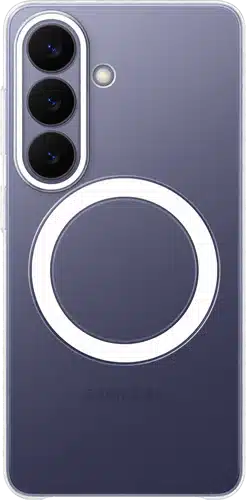
According to a report from Nieuwemobiel, Samsung is planning to release official cases for the Galaxy S26 series in both magnetic and non-magnetic versions. This suggests the phones themselves won’t include the magnets necessary for optimal Qi2 alignment.
The effectiveness of Qi2’s magnetic charging is often diminished by thicker cases, which can weaken the magnetic connection. As a result, many cases designed for phones with built-in magnets include additional magnets to ensure a secure and functional attachment. This detail fueled speculation that Samsung would include magnets in the S26 series.
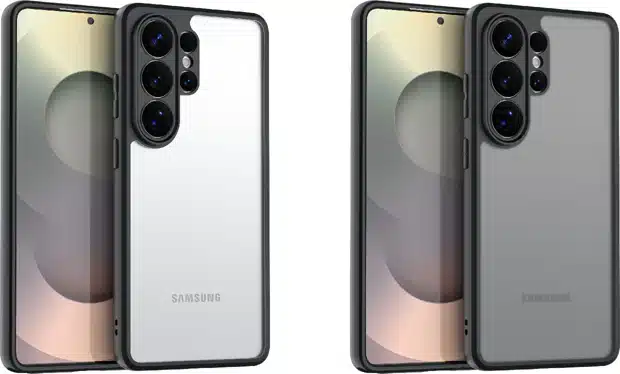
The decision to offer both magnetic and non-magnetic cases raises questions, particularly given Samsung’s recent launch of a 25W magnetic wireless charger. If the phones lack internal magnets, the charger’s full functionality may not be realized. This move could indicate a strategic decision to cater to a wider range of user preferences and case designs.
The news is somewhat disappointing, considering Samsung’s investment in new accessories designed for magnetic wireless charging. Despite the availability of these accessories, the company appears to be holding back from fully embracing the Qi2 standard at this time, as reported by Sammobile.
