
The Cost of Detail: GTA VI’s Development Timeline Outpaces Real-World Architecture
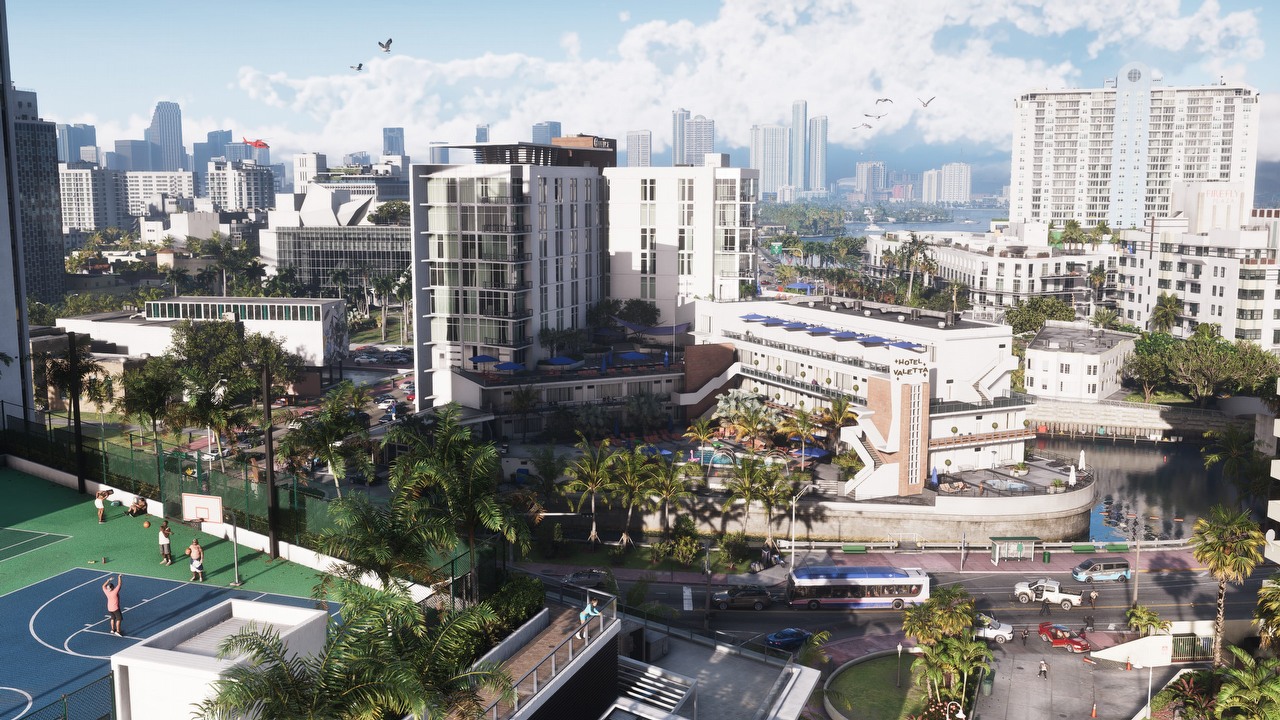
The ambition behind Rockstar Games’ upcoming Grand Theft Auto VI is so vast that it has encountered a unique challenge: the physical world is changing faster than the game can be completed. Due to the extensive development cycle of the title, some real-world buildings used as references for the game’s environment no longer exist in reality.
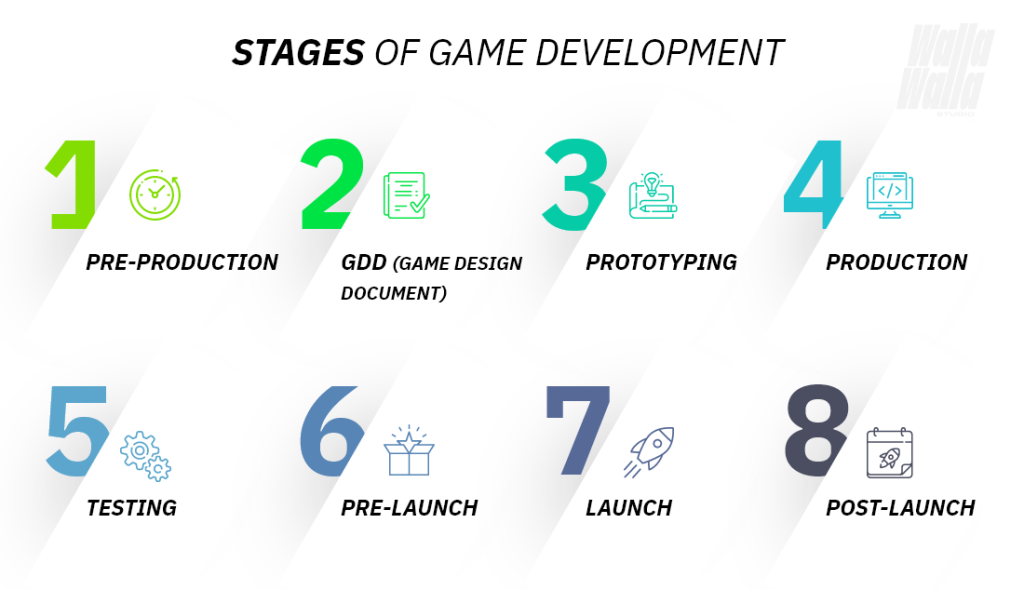
This phenomenon is a direct result of the studio’s commitment to hyper-realism. To create the immersive atmosphere of Vice City, developers rely on meticulous real-world mapping and architectural references. However, because the project has spanned several years of intensive production, some of the physical structures that served as the blueprints for the digital world have since been demolished or significantly renovated.
This situation highlights the escalating complexity of modern AAA game production. When developers strive for a “digital twin” level of accuracy, the multi-year timeline required to polish such a massive open world can lead to architectural anachronisms, where the game becomes a snapshot of a specific moment in time rather than a current reflection of the city.
While these discrepancies may be minor to the average player, they serve as a testament to the sheer scale of the project. The move reflects a broader trend in the gaming industry where the pursuit of absolute fidelity often clashes with the inherent reality of long-term development cycles.
