
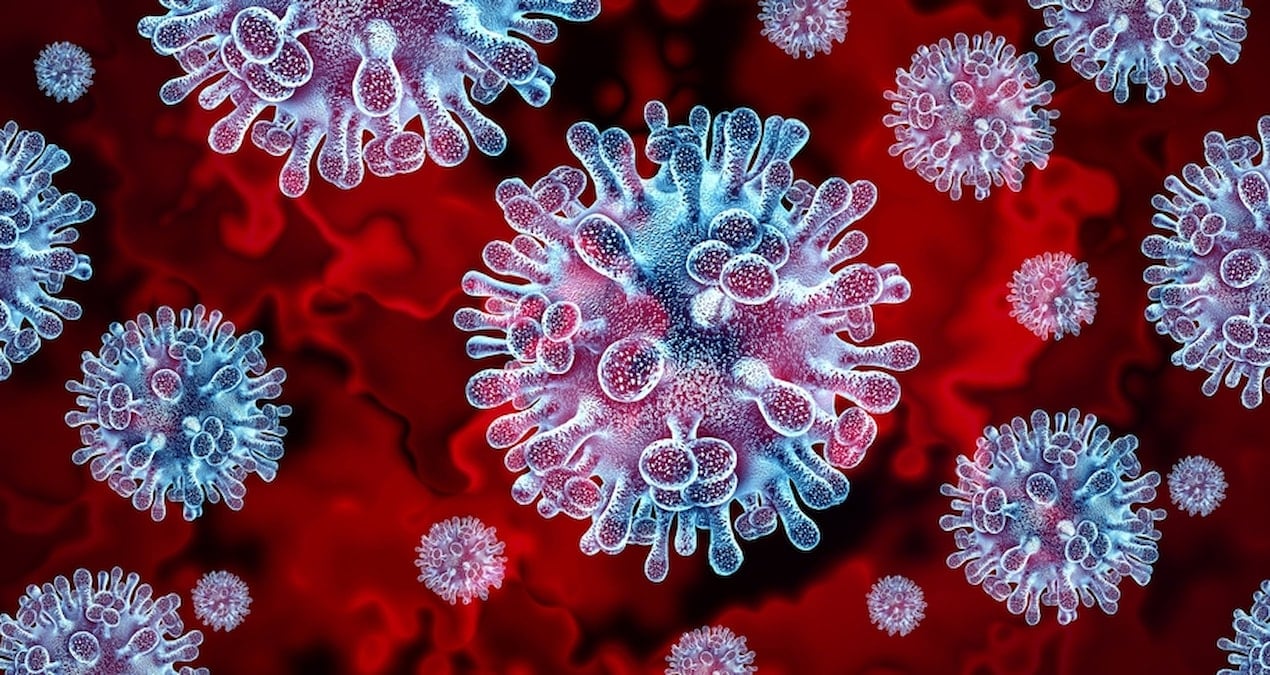
A highly mutated strain of influenza is causing widespread concern across the Northern hemisphere, with rapidly increasing case numbers in Japan, australia, and the United Kingdom. Health officials are warning of potential strain on healthcare systems as the virus demonstrates an ability to evade existing immunity and current vaccines may prove less effective[[1]]. This developing situation highlights the importance of preventative measures and awareness as the respiratory illness season begins.
A mutated strain of influenza is rapidly spreading across the Northern Hemisphere, prompting health concerns and straining healthcare systems in several countries. Japan, Australia, and the United Kingdom are already experiencing significant surges in cases, signaling a potentially challenging respiratory illness season.
In Japan, a nationwide epidemic has been declared in response to the increasing number of infections, leading to school closures. Australia is also reporting record-breaking levels of the illness. This widespread activity highlights the importance of proactive public health measures and individual preventative steps.
European health authorities have warned that current influenza vaccines may be less effective against the evolving virus, which has undergone seven distinct mutations. The rapid spread of the virus throughout Europe is a particular concern, and health officials anticipate its arrival in Turkey is inevitable.
The United Kingdom is facing an early and substantial wave of influenza, with reports in the British press cautioning the public to prepare for potential fatalities linked to the illness. The early onset and severity of this year’s flu season are raising alarms among healthcare professionals.
What began as a typical seasonal influenza outbreak has rapidly evolved due to factors including vaccine hesitancy and the effects of global warming. Cases of the H3N2 virus are also rapidly increasing in the United States.
OLDER ADULTS AND CHILDREN ARE MOST VULNERABLE
H3N2 infection presents with common flu symptoms such as fever, cough, runny nose, fatigue, muscle aches, and chills. However, this mutated strain of the influenza virus poses a significantly greater risk to children and older adults.

Doctors note that the virus’s new mutations allow it to evade the immune system more effectively than previous strains, leading to a more prolonged and severe illness. H3N2 is proving to be particularly debilitating for those infected.
As seen during the 2017 season, high fevers followed by shortness of breath and severe dehydration can be life-threatening, often requiring hospitalization.
MULTIPLE MUTATIONS OBSERVED
The severity of this year’s flu season is attributed to both its early start and the virus’s altered characteristics compared to last year. The timing and nature of the mutations are contributing to the increased burden on healthcare systems.
Dr. Giuseppe Aragona, speaking to The Independent, explained that because children and older adults have experienced fewer infections in recent years, “they have less immunity, which is increasing the severity of this year’s outbreak.”
He added that the transition from cold outdoor air to warm, enclosed spaces – such as schools and workplaces – is accelerating the spread of the virus. These environments facilitate transmission and contribute to the rapid increase in cases.
Experts have identified seven new mutations that emerged during the summer months. Global warming, creating conditions that are too warm to freeze viruses but still cold enough to weaken immunity, is believed to be contributing to both the mutations and the spread of the illness.
HOSPITALS MAY FACE INCREASED PRESSURE
“Older people and those with underlying health conditions are at particular risk,” Dr. Aragona stated. “However, the increasing number of flu cases could put a significant strain on hospitals, making the situation more difficult.”
Despite the concerns, Dr. Aragona emphasized that panic is not necessary, but caution is advised. A measured response, focused on prevention and early intervention, is crucial.

He highlighted vaccination and early detection as the most effective protective measures, stating that these steps can significantly reduce risk despite the ongoing outbreak. These strategies are essential for mitigating the impact of the virus.
Experts also underscore the importance of a healthy diet, noting that maintaining a strong immune system can substantially lower the risk of infection. Prioritizing overall health is a key component of preventative care.
