
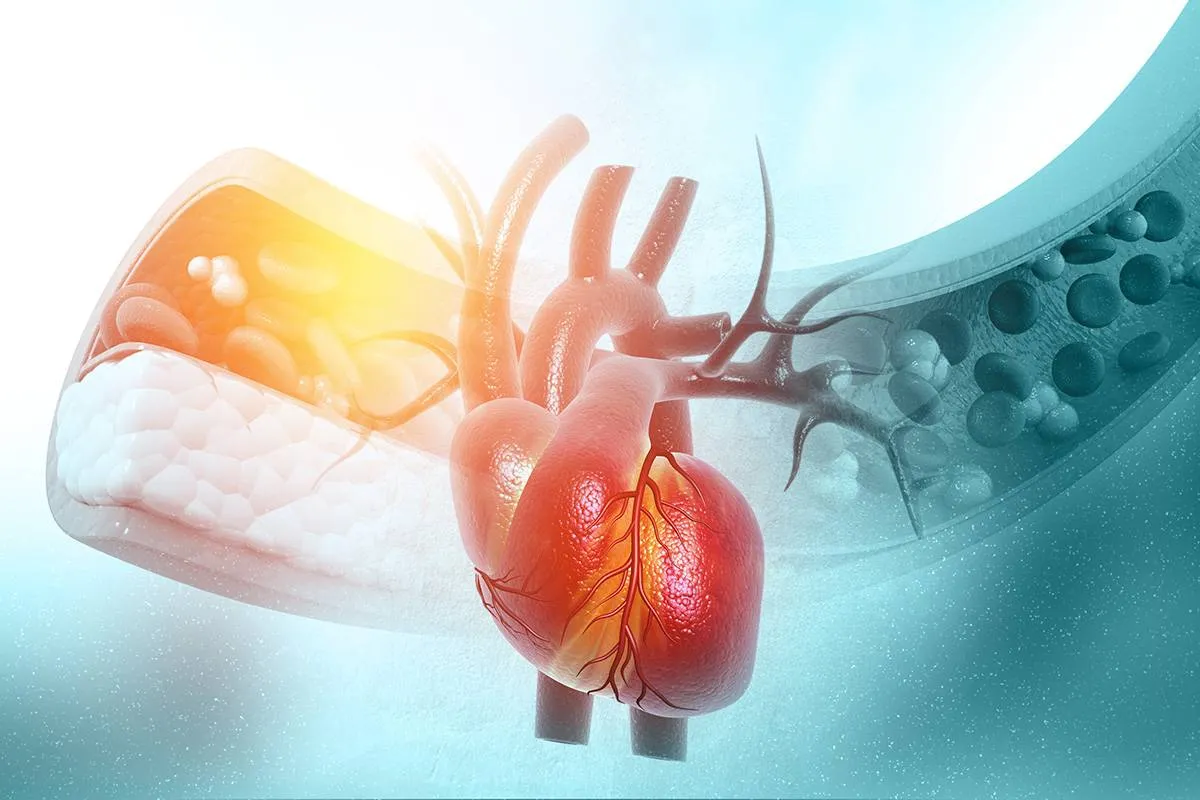
The American Heart Association, in collaboration with the American College of Cardiology and nine other leading medical societies, has released updated guidelines for managing lipid disorders, including cholesterol and triglycerides. These new recommendations aim to reduce the risk of heart disease and stroke, major causes of death and disability worldwide.
Researchers announced the guidelines on March 13, 2026, in the journal Circulation.
High levels of low-density lipoprotein (LDL) cholesterol, often referred to as “bad” cholesterol, are a major risk factor for heart disease. Estimates suggest that around 25% of adults have elevated levels, increasing their chances of experiencing heart attacks and strokes.
The new guidelines consolidate the latest scientific evidence into a comprehensive document providing standardized directions for evaluating and treating lipid disorders, with the goal of preventing cardiovascular disease. Cardiovascular disease, caused by the buildup of fats in artery walls, is the leading cause of death globally.
The recommendations emphasize early intervention through adopting a healthy lifestyle. Maintaining a healthy weight and engaging in regular physical activity are crucial steps in reducing harmful lipid levels. Quitting smoking and following a balanced diet rich in vegetables, fruits, whole grains, and healthy fats, whereas limiting saturated and trans fats, are also essential for promoting cardiovascular health. Adequate sleep also plays an important role in preventing heart disease and is an integral part of a healthy lifestyle.
The guidelines committee affirmed that more than 80% of cardiovascular disease is preventable, and that lowering LDL cholesterol early provides greater long-term protection against heart attacks and strokes.
Researchers explained that lifestyle improvements are the first step, but if lipid levels don’t fall within healthy ranges, medication to lower cholesterol should be considered earlier than previously practiced, ensuring greater long-term protection for the cardiovascular system.
The guidelines include the use of a new tool to estimate the risk of heart disease, known as PREVENT, which helps predict the likelihood of heart attacks and strokes over 10 or 30 years.
This tool relies on basic health information such as cholesterol levels, blood pressure, age, and health habits, with the potential to improve accuracy using additional indicators including family history of heart disease, chronic inflammatory conditions, diabetes, kidney disease, and certain biomarkers like lipoprotein(a), ApoB, and triglycerides.
While lifestyle improvements remain the foundation of treatment, cholesterol-lowering medications, particularly statins, are a cornerstone of heart disease prevention.
If these medications don’t achieve the desired results, doctors may recommend adding other treatments, such as ezetimibe, bempedoic acid, or injectable PCSK9 inhibitors.
