
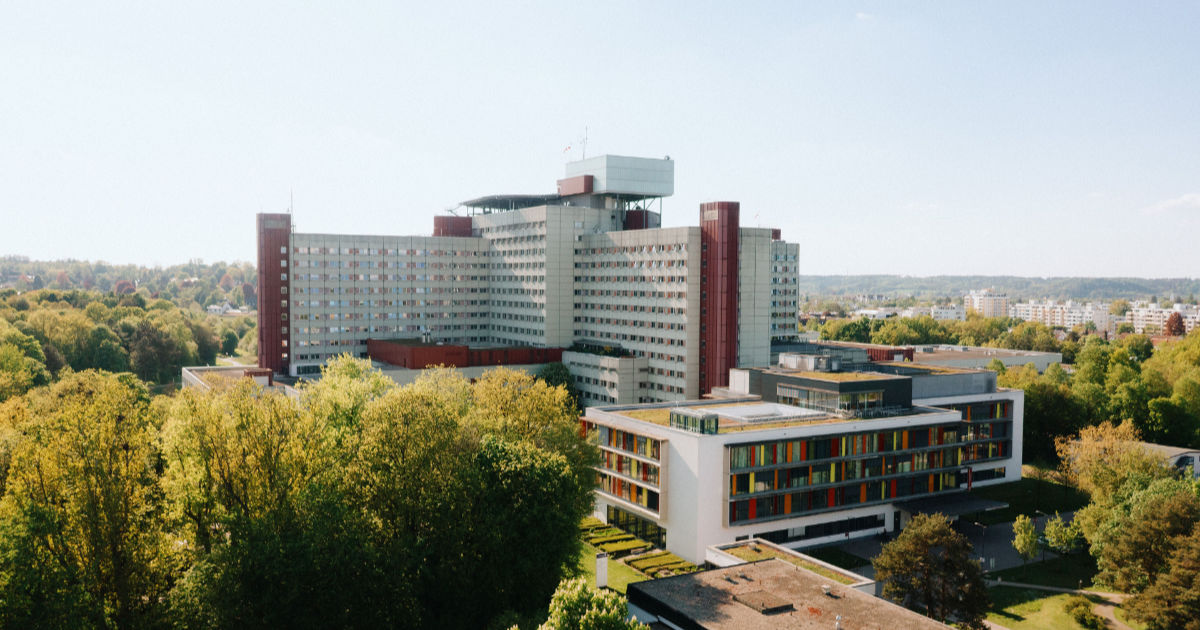
Affecting an estimated 1.3 million Americans annually,heart valve and structural heart diseases represent a meaningful and growing public health concern [[1]]. Specialists at the Universitätsklinikum Augsburg are reporting promising advancements in both the diagnosis and treatment of these often debilitating conditions. From refined imaging techniques to minimally invasive procedures like TAVI, the focus is shifting towards improved patient outcomes and quality of life [[2]], [[3]]. This report details the latest approaches being utilized to address structural and valvular heart issues.
Heart Valve and Structural Heart Disease: New Approaches to Diagnosis and Treatment
Augsburg, Germany – Advances in diagnosing and treating heart valve and structural heart diseases are improving patient outcomes, according to specialists at the Universitätsklinikum Augsburg. These conditions, which affect the heart’s valves and supporting structures, can lead to significant health complications if left unaddressed, making early detection and innovative therapies crucial.
Heart valve diseases occur when one or more of the heart’s four valves don’t function properly. This can result in stenosis, where the valve narrows and restricts blood flow, or insufficiency, where the valve doesn’t close tightly and allows blood to leak backward. Structural heart diseases encompass a broader range of conditions affecting the heart’s chambers, walls, and surrounding tissues.
“Modern imaging techniques, such as echocardiography, cardiac magnetic resonance imaging (MRI), and computed tomography (CT) scans, play a vital role in accurately diagnosing these conditions,” specialists at the Universitätsklinikum Augsburg explained. “These tools allow us to visualize the heart’s anatomy and function in detail, helping us determine the severity of the disease and guide treatment decisions.”
Treatment options have evolved significantly in recent years. While traditional open-heart surgery remains a standard approach for many patients, minimally invasive procedures are becoming increasingly common. These include transcatheter aortic valve implantation (TAVI), a procedure where a new valve is inserted through a catheter, and mitral valve repair or replacement using less invasive techniques.
The Universitätsklinikum Augsburg highlights the importance of a multidisciplinary approach to care, involving cardiologists, cardiac surgeons, imaging specialists, and other healthcare professionals. This collaborative approach ensures that patients receive personalized treatment plans tailored to their specific needs.
Ongoing research is focused on developing even less invasive therapies and improving the long-term durability of valve replacements. The advancements promise to further enhance the quality of life for individuals affected by heart valve and structural heart diseases. Early diagnosis and access to these innovative treatments are key to managing these conditions effectively and preventing serious complications.
