
Hepatitis E virus (HEV) infection, while often mild, poses a potential health risk, especially for those with compromised immune systems. Though not a novel virus – the first documented epidemic occurred in 1955 [[3]] – experts warn that transmission remains linked to consumption of undercooked pork and lapses in food hygiene. The virus, which exists in at least eight different genotypes globally [[1]], typically causes an acute, self-limiting illness, but can become severe in vulnerable populations.
Hepatitis E Virus Not New, But Risk Remains with Undercooked Pork and Shared Utensils, Expert Warns
November 18 – Hepatitis E virus (HEV) isn’t a newly emerging threat, but contracting the infection is closely linked to consuming undercooked pork and practicing poor hygiene when eating, according to a leading virologist. The virus causes acute illness, similar to other forms of hepatitis, and while typically mild, can be serious for individuals with weakened immune systems.
The specialist explained that his center has been studying HEV for years, developing rapid and accurate diagnostic tests using RNA detection. These tests can deliver results quickly, often within the same day.
Symptoms of acute HEV infection are comparable to those of hepatitis A, B, and C, including fever, nausea, vomiting, abdominal pain, fatigue, diarrhea, and jaundice. Liver enzyme levels are also typically elevated.
In Thailand, HEV cases are typically isolated, unlike outbreaks seen in regions with poor sanitation, such as parts of Africa and India. The predominant strain found in the country is genotype 3, with pigs serving as the primary reservoir. This means the most significant route of transmission is through consuming contaminated food, particularly pork products.
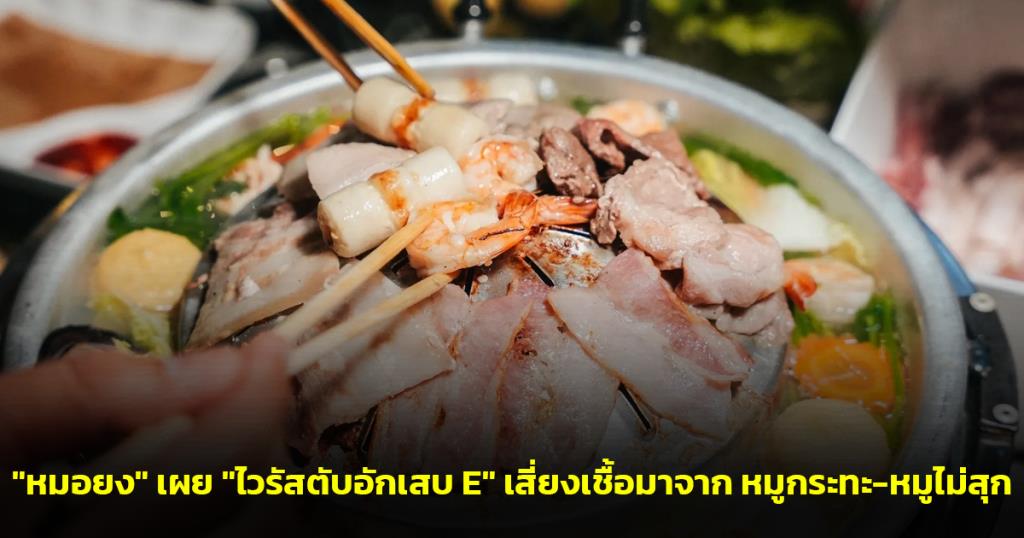
Eating undercooked pork, especially at popular dishes like Korean BBQ, poses a significant risk. The practice of using the same pair of chopsticks to handle raw and cooked meat further increases the chance of infection. Because Korean BBQ often uses meat from multiple pigs, the risk of contamination is higher than eating pork from a single source.
The virologist noted having treated several patients with a clear history of eating Korean BBQ or having close contact with pigs.
Transmission can also occur through blood transfusions or blood products from donors who are infected but asymptomatic, as the virus can be cleared naturally by some individuals. Therefore, blood banks should screen donations for HEV, particularly when providing blood to patients with compromised immune systems.
There is no specific antiviral medication for HEV. Treatment focuses on managing symptoms, and antibiotics are generally not necessary. In severe cases, antiviral drugs may be considered at the discretion of a physician, but their use is limited by potential side effects and is typically reserved for those with weakened immune systems.
HEV-related fatalities are rare in Thailand, and serious complications are most often seen in individuals with weakened immune systems, those taking immunosuppressant medications, or those with underlying chronic illnesses.
