
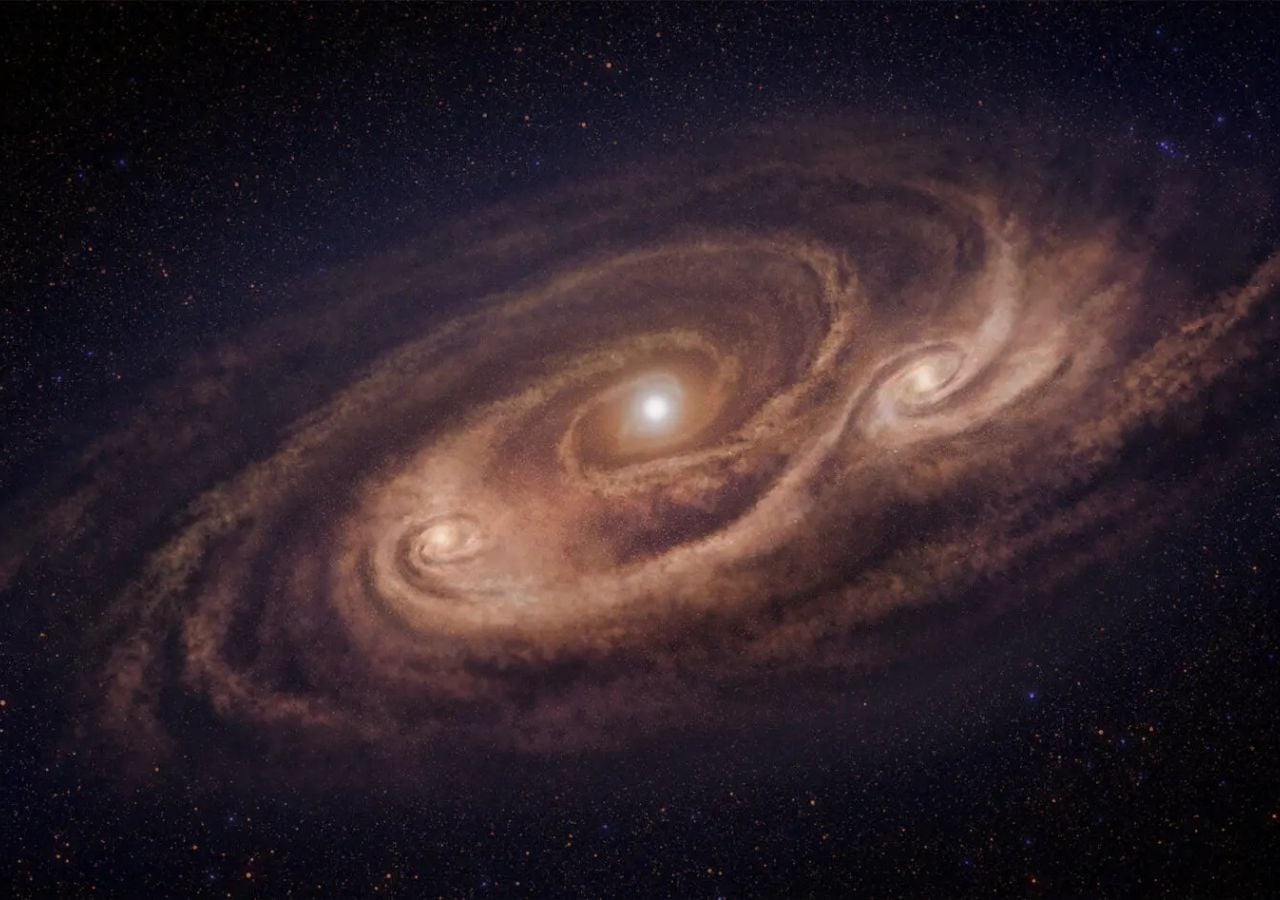
Astronomers are piecing together the complex history of galaxy formation, a fundamental challenge in cosmology. Utilizing powerful observatories like ALMA in Chile, and through international collaboration, scientists are gaining unprecedented insight into the universe’s earliest structures and how they evolved.New research detailed here examines the processes of galactic birth,collision,and transformation,challenging existing models and refining our understanding of the cosmos.
Astronomers are working to unravel the mysteries of galaxy formation, one of cosmology’s biggest challenges. Thanks to observatories located in Chile – including ALMA – and international collaborations, our understanding of the processes that birthed the first cosmic structures is rapidly evolving. This research is crucial for understanding the universe’s origins and its subsequent development.
New observations of early, forming, or colliding galaxies are helping researchers reconstruct the “recipe” that shaped the universe as we know it.
The Standard Cosmological Model: The Universe’s Seeds
Table of Contents
The standard cosmological model explains galaxy formation as a process that began shortly after the Big Bang, around 13.8 billion years ago. In the universe’s earliest moments, matter wasn’t evenly distributed; slight density fluctuations existed, acting as gravitational seeds.
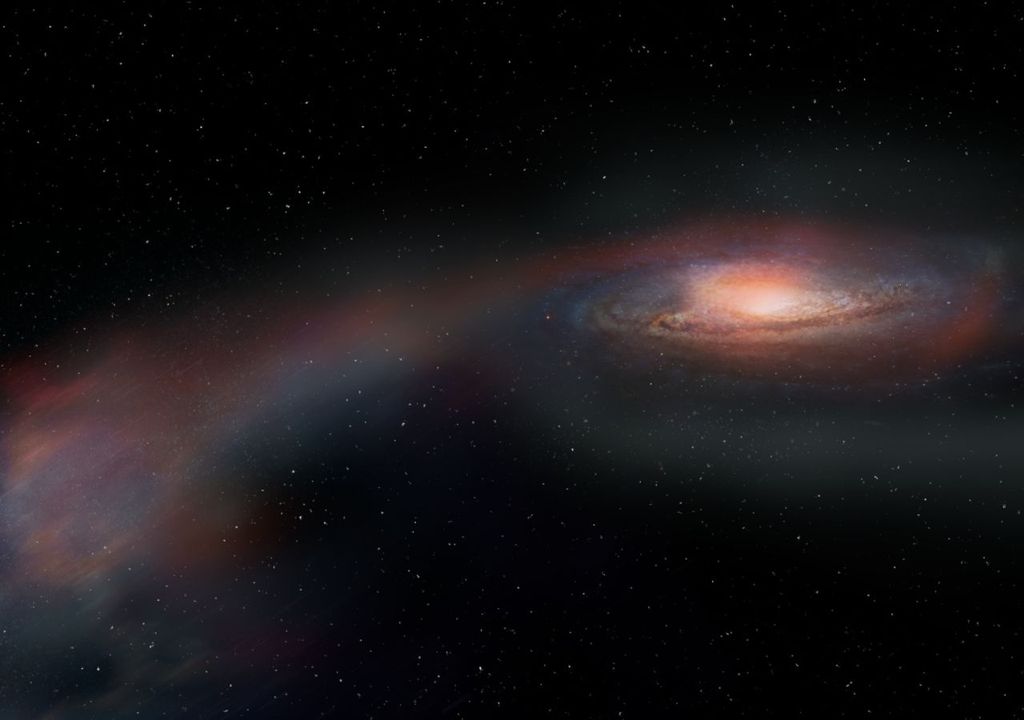
Over time, these denser regions began attracting matter, particularly dark matter – an invisible component that makes up about 85% of the universe’s matter. This dark matter formed gravitational halos, structures that served as “scaffolding” where primordial gas – hydrogen and helium – began to accumulate.
As the gas cooled, it collapsed toward the center of the halo, forming the first stars and giving rise to the first protogalaxies.
Recent studies from the Institute of Astrophysics of the Canary Islands (IAC) have revealed that some present-day galaxies, such as the “relic” galaxy NGC 1277, challenge this model by exhibiting extremely low amounts of dark matter. This discovery raises new questions and necessitates refinements to existing theories. You can learn more about galaxy formation and evolution at the IAC website.
A Violent Process: Mergers, Collisions, and Evolution
Galaxy formation isn’t a peaceful process. The current theory describes a “hierarchical” process: smaller galaxies merge to form larger structures. This mechanism explains why large spiral or elliptical galaxies often have collision histories stretching back billions of years.
An immense collection of stars, gas, dust, and dark matter bound together by gravity. They can contain anywhere from millions to trillions of stars and take on spiral, elliptical, or irregular shapes.
Observations from ALMA have provided unprecedented detail of galaxies colliding in the early universe. These mergers trigger starbursts, reorganize gas, and completely reshape their structure. Some evolve into spiral systems, like the Milky Way; others transform into giant ellipticals.
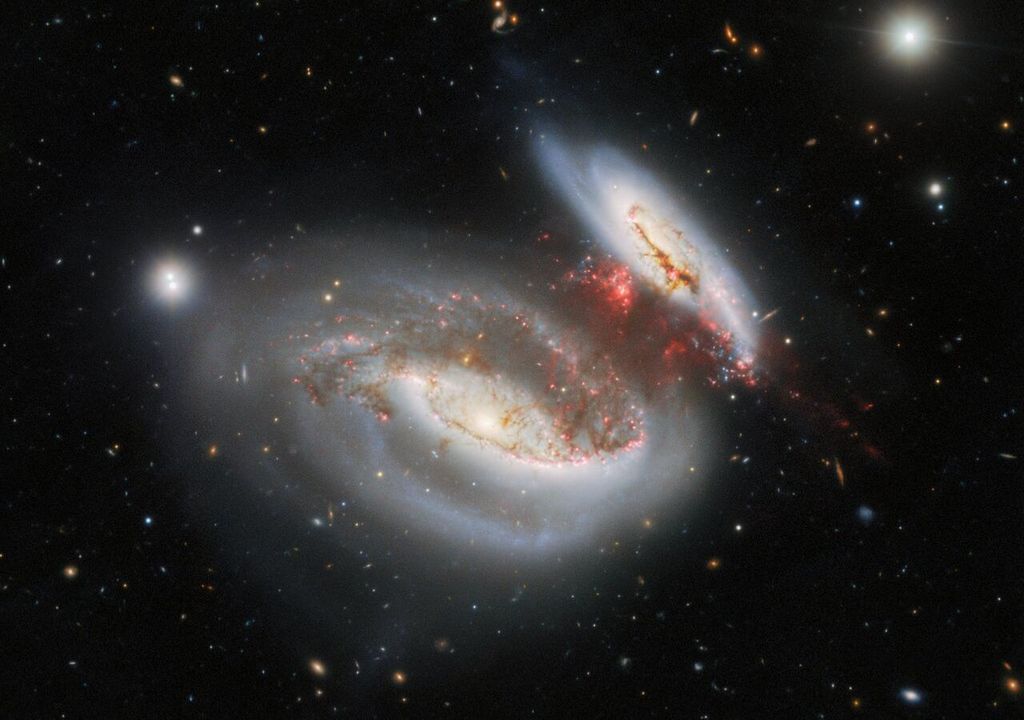
Recent studies originating from Chile have provided new insights into the chemical evolution of these mergers, demonstrating how metals – heavy elements produced by stars – are redistributed during these cosmic encounters.
ALMA and Chile: Windows to the Early Universe
Northern Chile boasts some of the best skies on the planet for astronomical observation. There, ALMA operates – a network of 66 antennas observing the universe at millimeter and submillimeter wavelengths.
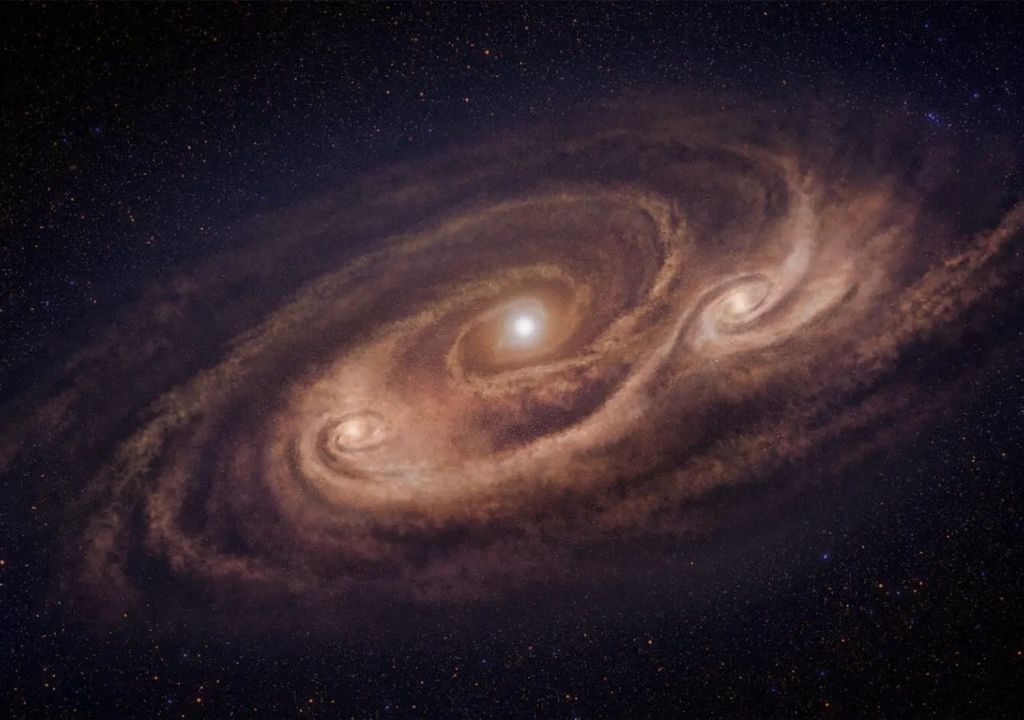
Thanks to ALMA, researchers can now study galaxies that existed just 500 million years after the Big Bang, detecting the cold gas that fueled the formation of their first stars. More information about ALMA’s capabilities can be found on the ALMA Observatory website.
This observatory has revealed extremely young, compact, rotating galaxies, as well as chaotic systems assembling at high speed. Each provides clues about how the diversity of galaxies we see in the current cosmos evolved.
References
Institute of Astrophysics of the Canary Islands (IAC): Galaxy Formation and Evolution
Institute of Astrophysics of the Canary Islands (IAC): The relic galaxy NGC 1277 does not contain dark matter
ALMA Observatory: Early Galaxy Formation
