

Holding onto resentment doesn’t just weigh on the mind—it can take a serious toll on the body, according to novel research. Scientists are uncovering how chronic bitterness and unresolved anger may contribute to a range of physical and mental health problems, from weakened immunity to increased risk of heart disease.
A growing body of evidence suggests that the emotional strain of resentment can trigger stress responses that linger long after the initial conflict. Over time, this persistent stress may disrupt sleep, elevate blood pressure, and even alter brain chemistry, making it harder to manage emotions or recover from setbacks.
The Science Behind Resentment’s Health Impact
Researchers have found that harboring grudges activates the same physiological pathways as other forms of chronic stress. When the body remains in a prolonged state of alert—often referred to as the “fight-or-flight” response—it can lead to inflammation, a known contributor to conditions like diabetes, depression, and cardiovascular disease.
“Resentment is like drinking poison and expecting the other person to get sick,” said one psychologist, summarizing the self-destructive nature of unresolved anger. Although the emotional burden is well-documented, the physical consequences are only now coming into sharper focus.
Studies have shown that individuals who struggle to let go of past grievances are more likely to experience:
- Higher levels of cortisol, the stress hormone linked to weight gain and weakened immune function
- Increased risk of hypertension and heart disease
- Poorer sleep quality, which can impair cognitive function and mood regulation
- Greater susceptibility to anxiety and depression
Why Letting Go Is Easier Said Than Done
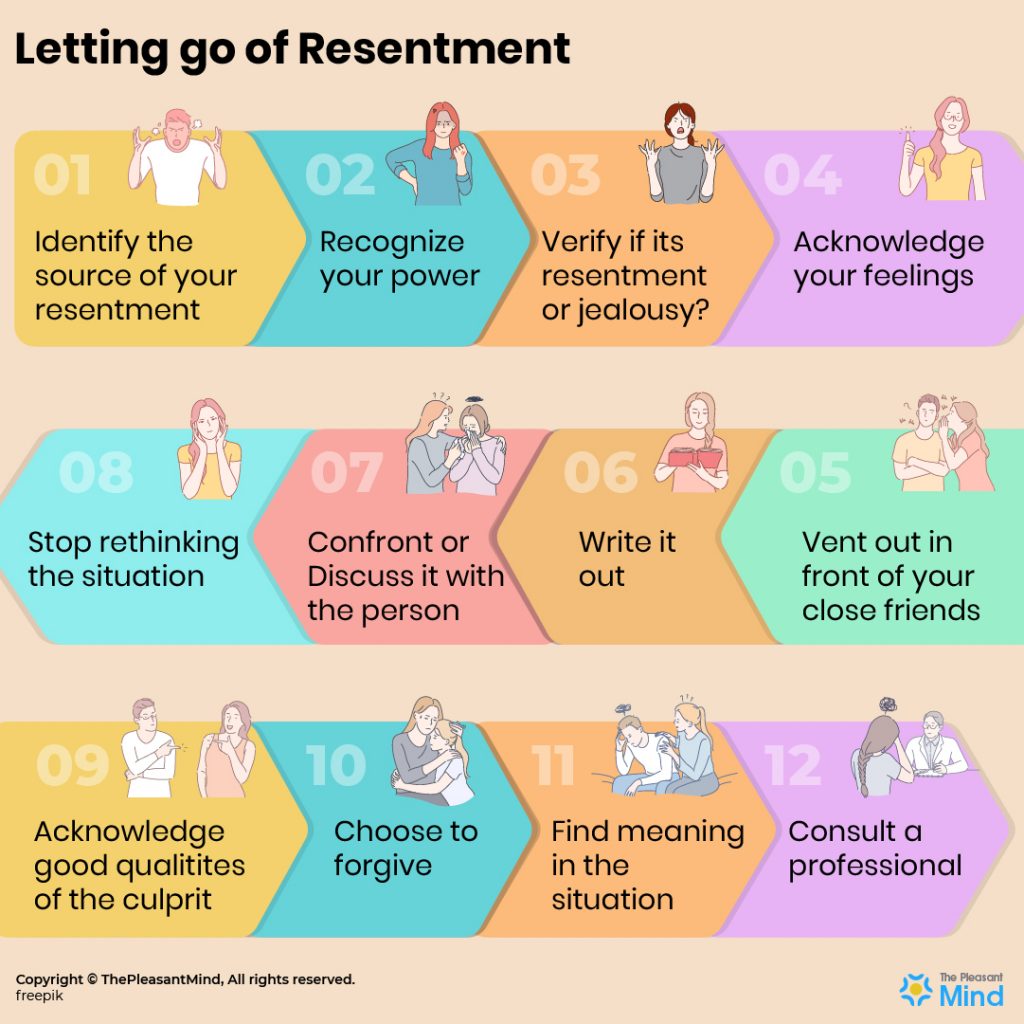
For many, resentment becomes a habit—one that’s difficult to break without conscious effort. Experts say the first step is recognizing the emotional and physical costs of holding onto anger. Techniques like mindfulness, therapy, and even simple acts of self-care can help rewire the brain’s response to past hurts.
“Forgiveness isn’t about excusing the behavior that hurt you,” noted a mental health professional. “It’s about freeing yourself from the burden of carrying that pain.”
While the research is still evolving, the message is clear: Addressing resentment isn’t just quality for relationships—it’s a critical component of overall well-being. For those struggling to move forward, experts recommend seeking support from mental health professionals or trusted communities.
The findings underscore the deep connection between emotional and physical health, reinforcing the importance of holistic approaches to wellness. As scientists continue to explore the long-term effects of chronic stress, one thing is certain: Letting go of resentment may be one of the most powerful things you can do for your health.
For those looking to break the cycle, small steps—like journaling, meditation, or even physical activity—can help shift the body out of a stress response and into a state of healing. The key, experts say, is consistency: Just as resentment builds over time, so too can the path to recovery.
