
As fuel prices continue to climb, consumers across Italy are adopting a range of strategies to reduce household energy costs, from shifting to alternative transportation to adjusting driving habits and optimizing home energy utilize.
Recent reports highlight growing concern over the financial strain caused by rising gasoline and diesel prices, with many households reporting that fuel expenses now represent a significant portion of their monthly budgets. In response, citizens are increasingly turning to bicycles and other low-emission transport options, leading to a noticeable surge in bicycle sales in several regions.
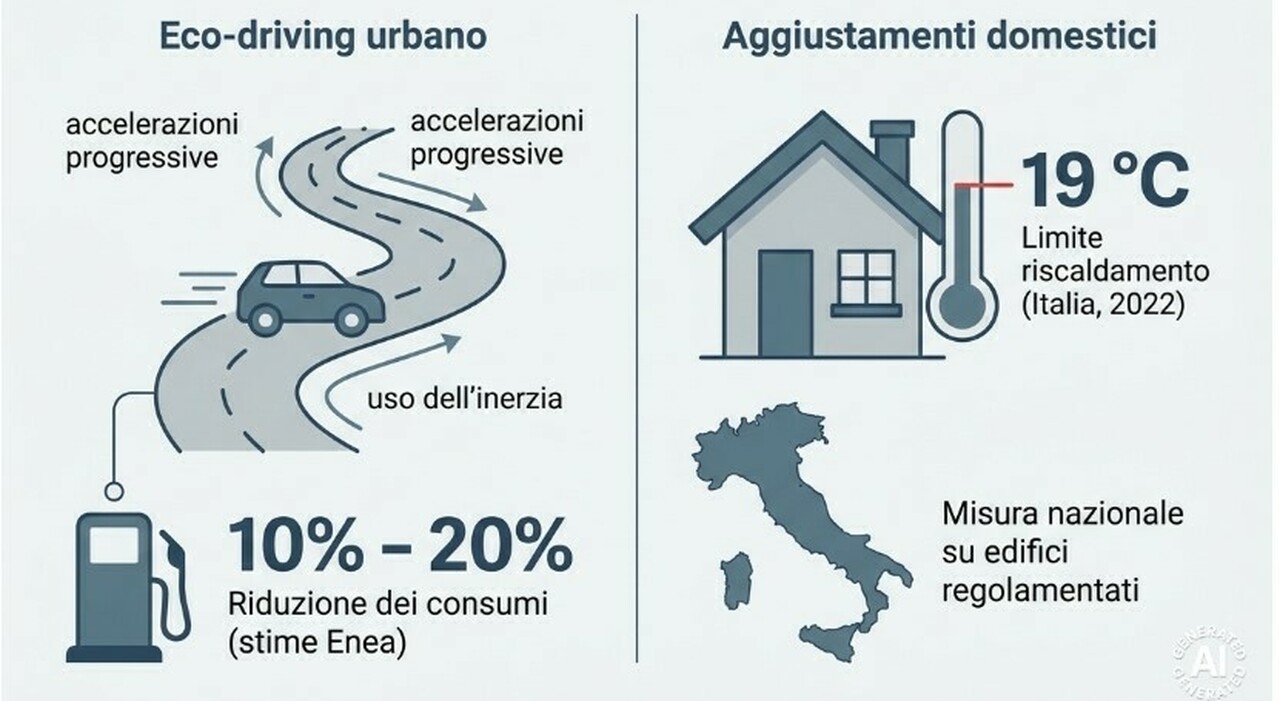
At the same time, drivers are exploring practical ways to improve fuel efficiency, including maintaining steady speeds, reducing unnecessary idling, and ensuring proper tire inflation. Some are also reconsidering route planning and trip frequency to minimize mileage.
Discussions have also emerged around potential policy measures, such as lowering speed limits on highways to 110 km/h, with analyses suggesting that such a change could yield measurable fuel savings over time, particularly for long-distance commuters.
Beyond transportation, households are scrutinizing utility bills, seeking ways to cut electricity and gas consumption through behavioral adjustments and energy-saving practices at home. Experts note that even slight changes—like using appliances during off-peak hours or improving insulation—can contribute to meaningful reductions in overall energy spending.
The broader trend reflects a shift in consumer behavior driven by persistent inflation in energy markets, prompting individuals to seek both immediate relief and longer-term adaptations to manage costs amid ongoing economic uncertainty.
