
“먼지 마셔서 목 아픈 줄 알았는데”… ‘HPV 감염’ 암이었던 男
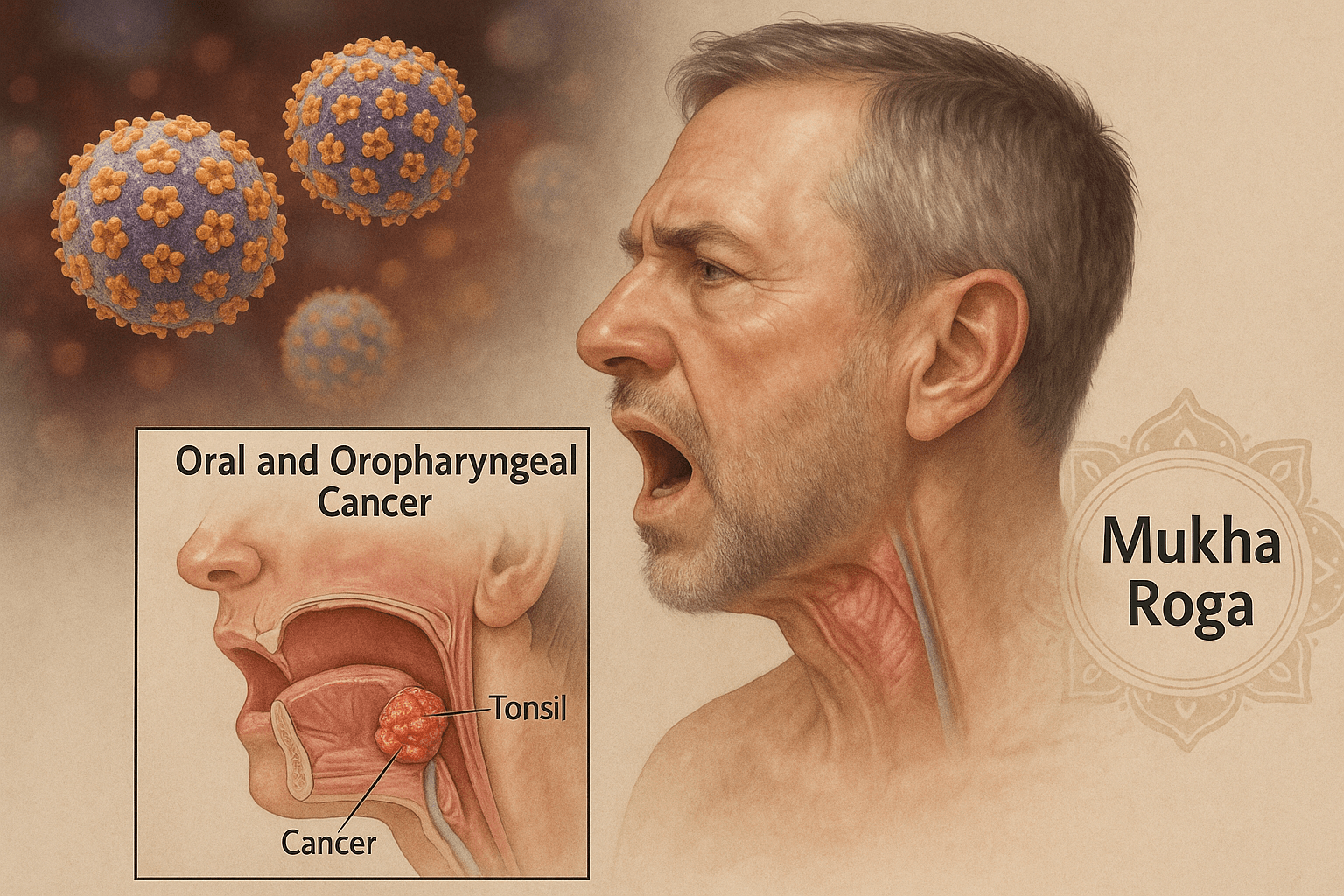
What initially felt like a common sore throat caused by environmental dust turned out to be a life-altering diagnosis for 62-year-old Jeff Bradford. His experience underscores a growing public health concern: the link between the Human Papillomavirus (HPV) and head and neck cancers in men.
Bradford had been suffering from a persistent sore throat, which he initially dismissed as a minor irritation from dust. However, after the symptoms persisted for more than two weeks, he sought medical attention. While he was first diagnosed with tonsillitis and prescribed antibiotics, the treatment failed to improve his condition. Subsequent testing revealed a more serious reality: head and neck cancer.
Medical professionals identified the Human Papillomavirus (HPV) as the cause of the malignancy. HPV is a common virus typically transmitted through skin-to-skin or mucosal contact, most frequently during sexual activity. Experts noted that the virus can remain dormant in the body for an extended period without causing any noticeable symptoms before eventually progressing into cancer.
Head and neck cancers encompass malignancies occurring in the oral cavity, nasal cavity, larynx, hypopharynx, oropharynx, nasopharynx, thyroid, and salivary glands—excluding the brain, eyes, ears, and esophagus. In particular, HPV infection via oral sex can significantly increase the risk of developing oropharyngeal cancer. This highlights the critical need for awareness regarding how HPV affects more than just cervical health.
To avoid missing early warning signs, health experts advise monitoring for the following symptoms:
- Changes in the voice that persist for six weeks or longer.
- Oral ulcers or swelling that do not heal within three weeks.
- The appearance of red or white patches on the oral mucosa.
- Difficulty swallowing (dysphagia) lasting more than three weeks.
- Signs of cranial nerve palsy or difficulty breathing (dyspnea).
While the diagnosis is daunting, medical professionals emphasize that head and neck cancers have a relatively high success rate when detected and treated in the early stages.
The urgency of prevention is further supported by recent data. According to a large-scale study released around April 10, 2026, Japanese researchers found that the HPV vaccine can reduce the risk of HPV-related cancers in men by nearly half. The study analyzed the health records of over 3 million young men in the United States from 2016 to 2024, tracking them for up to a decade.
The findings revealed that men who received the latest HPV vaccines had an approximately 46% lower risk of developing related cancers. Specifically, the use of Gardasil 9—which protects against nine strains of the virus—was associated with a general decrease in the risk of head and neck, anal, and penile cancers. This protective effect was consistent across both adolescents and young adults.
The data showed a tangible drop in incidence rates: among unvaccinated men, HPV-related cancers occurred in approximately 12.5 per 100,000 people, whereas the rate dropped to 7.8 per 100,000 among those who were vaccinated. While most HPV infections are cleared by the body naturally, those that persist can lead to severe malignancies in both men, and women.
These findings could guide future vaccination strategies, shifting the focus from primarily preventing cervical cancer in women to a broader approach of protecting all genders from HPV-related malignancies.
