
Bogotá – A new program focused on community-led education is showing encouraging early results in increasing HPV vaccine acceptance in Colombia’s Arauca municipality. The initiative,a collaboration between PAHO/WHO,the Universidad del Norte,and the government of Canada,directly addresses vaccine hesitancy fueled by misinformation surrounding the critical cancer-preventative shot. By empowering students, teachers, and families with accurate information, the program offers a promising model for improving public health outcomes in regions facing similar challenges [[1]].
Bogotá, December 22, 2025 – A pilot communication program aimed at boosting confidence in and acceptance of the human papillomavirus (HPV) vaccine is showing promising results in a Colombian municipality facing significant vaccination challenges and widespread misinformation. The initiative, a collaboration between the Pan American Health Organization/World Health Organization (PAHO/WHO), the Universidad del Norte, and with funding from the Government of Canada, focused on communities within the municipality of Arauca.
The HPV vaccine is a critical tool in preventing cancers caused by the virus, but uptake can be hampered by hesitancy and false information. This project tackled those issues head-on by actively involving students, teachers, families, and healthcare and education professionals in five urban and rural schools. The strategy centered on collaboratively creating messages and communication materials with young people, fostering dialogue, critical thinking, and access to reliable information about HPV and cancer prevention.
HPV is one of the most common sexually transmitted infections globally, affecting both men and women. Persistent infection with high-risk HPV types can lead to cervical cancer, as well as other anogenital and oropharyngeal cancers. Vaccination against HPV, ideally administered before the onset of sexual activity, is a safe and highly effective preventative measure.
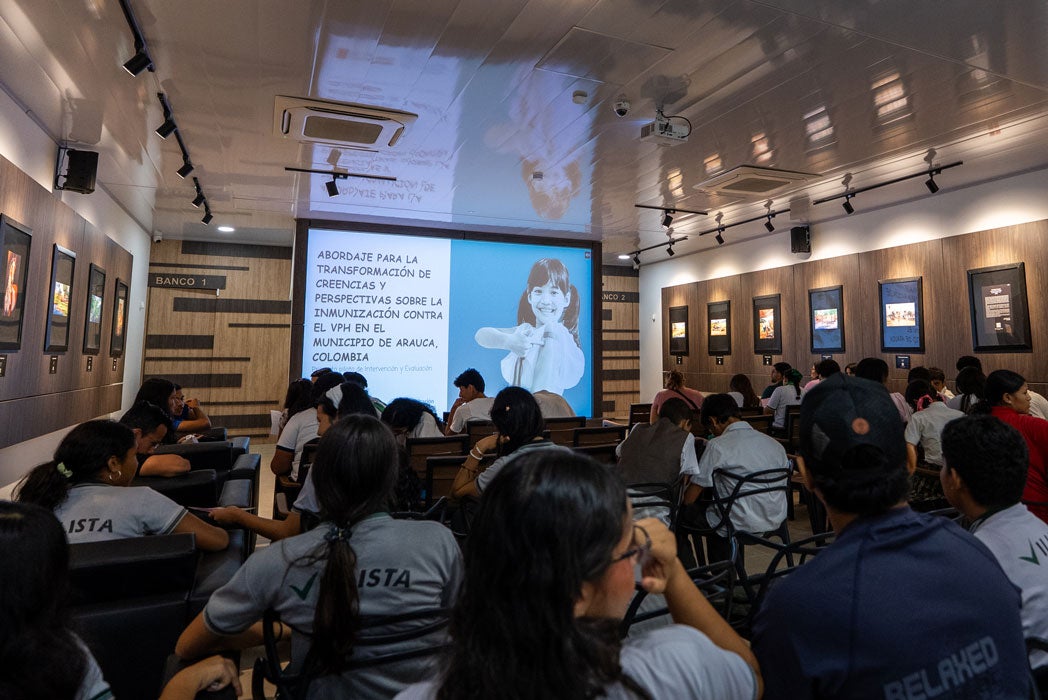
Initial evaluations of the program demonstrate significant improvements in knowledge about HPV, understanding of the vaccine’s preventative benefits, and the ability of students and teachers to identify and challenge misinformation. A before-and-after assessment revealed an increase in the proportion of students reporting HPV vaccination, along with improved risk perception and willingness to get vaccinated. Qualitative data collected through interviews and discussions highlighted strengthened trust in school personnel, increased openness to discussing sexual and reproductive health, and greater youth agency in combating false information.
The success of this initiative underscores the strategic role of schools in promoting vaccination and the importance of integrating immunization efforts with participatory educational processes, intersectional approaches, and culturally relevant communication strategies. These combined efforts can complement the work of the Expanded Program on Immunization (EPI).
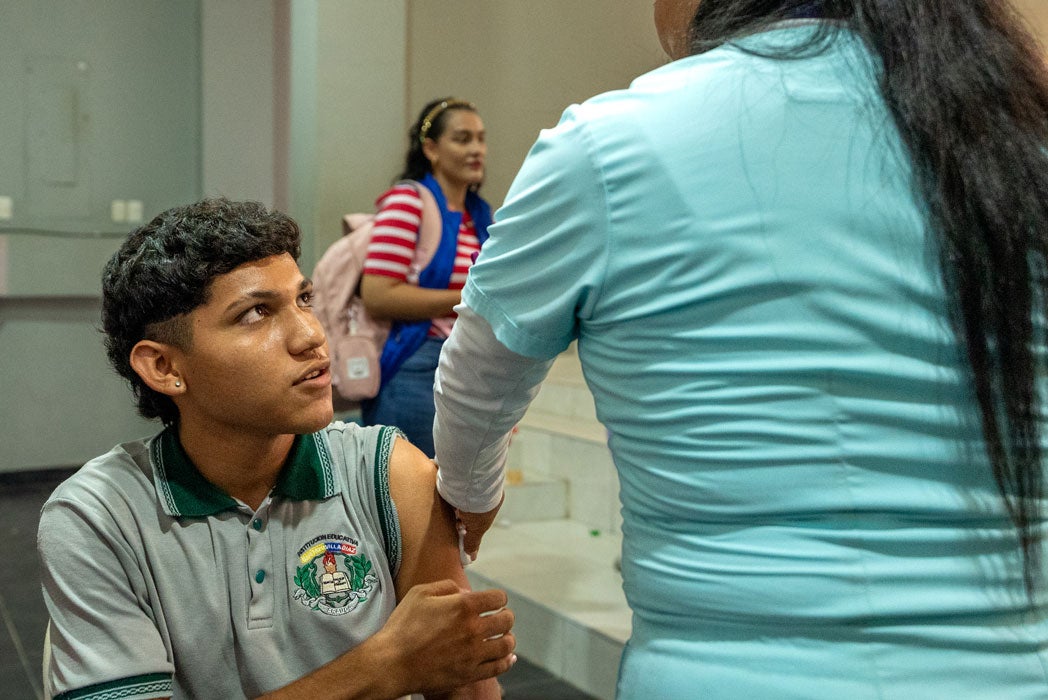
PAHO/WHO reaffirmed its commitment to supporting countries in designing and implementing innovative communication and community engagement strategies to build vaccine confidence, address misinformation, and advance health equity across the Americas. The findings from this pilot program could inform similar initiatives in other regions facing similar challenges.
