
Huawei, teh global technology firm [[1]] and [[2]], has swiftly entered the burgeoning market for AI-powered companions with the launch of Smart Hanhan.Unveiled concurrently with its Mate 80 smartphone series, the $56 device reportedly sold out rapidly on the Huawei Mall, signaling a consumer appetite for technology addressing emotional wellbeing. The release demonstrates a broader industry trend toward integrating artificial intelligence with mental and emotional support, a space previously dominated by apps and virtual assistants.
Huawei has entered a new market with the launch of Smart Hanhan, its first AI-powered emotional companion device. Unveiled alongside the Mate 80 series, the device aims to address growing needs for emotional support in an increasingly digital world, signaling a broader trend of technology companies exploring the intersection of AI and wellbeing.
The Smart Hanhan quickly sold out on the Huawei Mall following its release, priced at 399 yuan (approximately $56). All three available color variants were claimed rapidly, demonstrating significant consumer interest in the concept of an AI-based emotional support system.
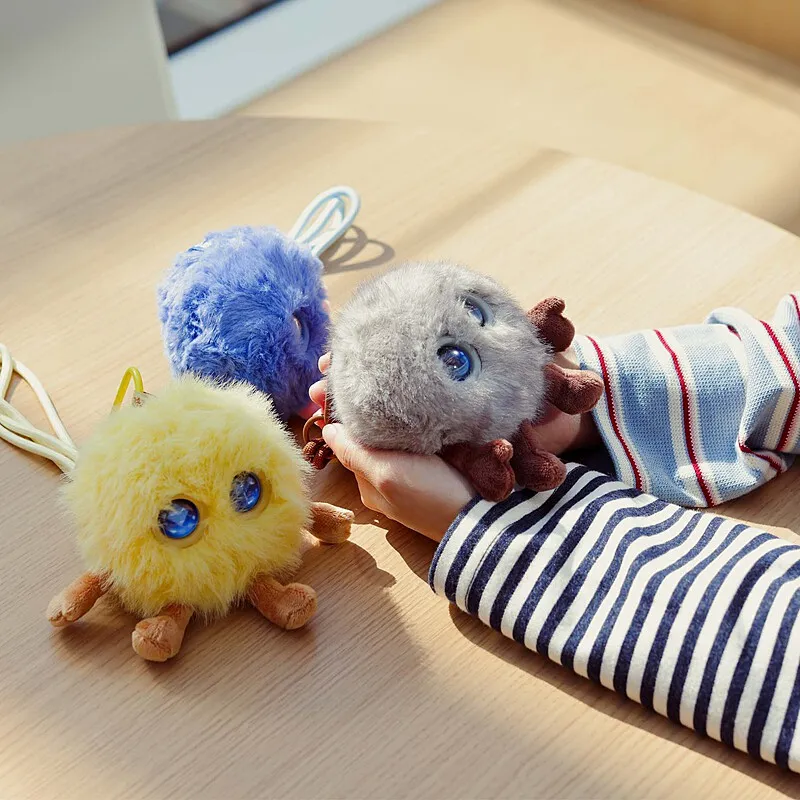
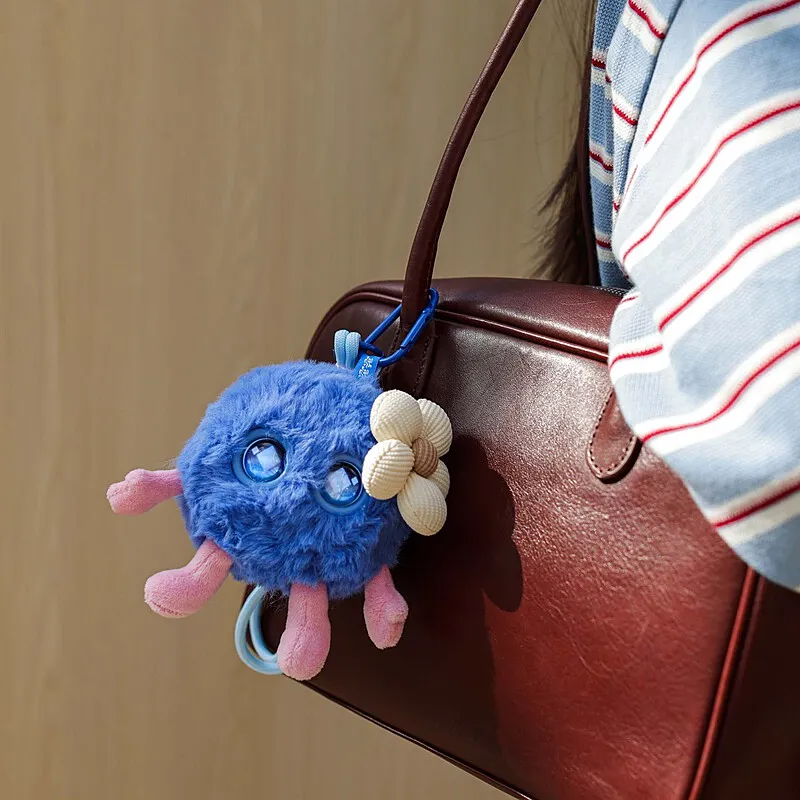
Designed with user comfort in mind, the Smart Hanhan measures 80 x 68 x 82 millimeters and weighs 140 grams (excluding limbs). Huawei combined a soft, fuzzy material with silicone, plastic, and internal electronic components to create a pleasant tactile experience. The company prioritized a multisensory approach, recognizing that emotional support extends beyond simple digital interactions.
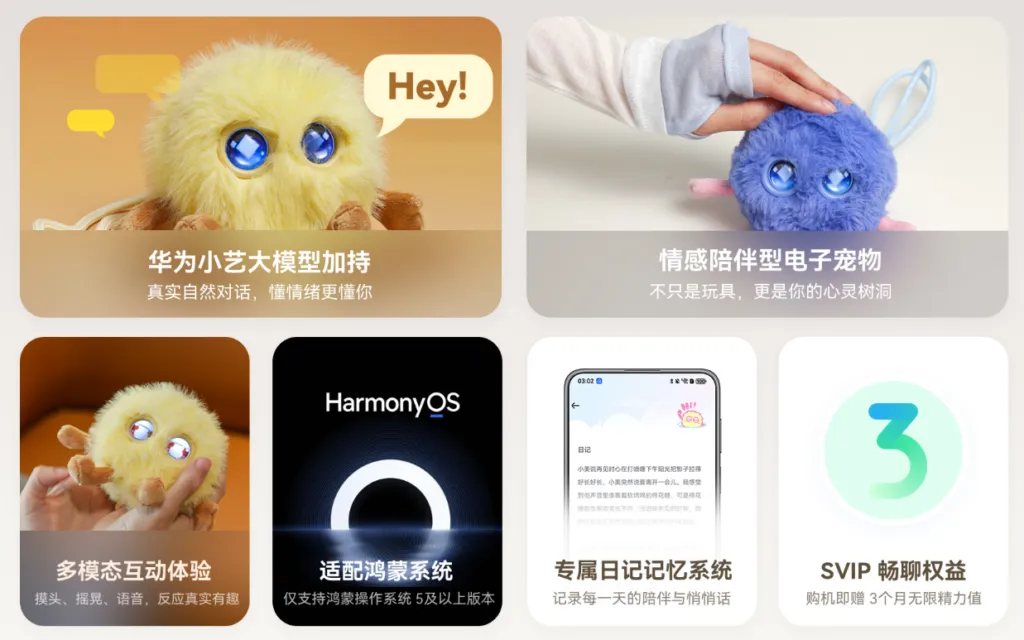
At the core of Smart Hanhan is Huawei’s Xiaoyi large AI model, enabling natural and emotionally aware conversations. The system doesn’t just process words; it also detects changes in tone, emotional cues, and conversational context. This allows for personalized and emotionally intelligent responses, creating the impression of interacting with a genuinely understanding companion.
Users can interact with Smart Hanhan through voice, touch, and movement. Specific responses are triggered by each input type, enhancing the immersive experience. A tap or stroke on the head changes its facial expression, while a gentle shake elicits a vibrating response. These subtle details aim to foster an emotional connection with the device.
Huawei reports the device’s 1800mAh battery provides 6 to 8 hours of continuous interaction. In typical daily use, the battery lasts over 48 days, with a full recharge taking approximately six hours. These specifications are in line with the computational demands of the AI functions.
Smart Hanhan is optimized for smartphones running HarmonyOS 5.0 or later, including models like the Mate 80, Mate 80 Pro, Mate X7, and Mate 80 RS. Connecting to a phone creates a diary system that logs emotional exchanges and daily interactions as memory entries. This feature serves as both a record and provides insights into the user’s emotional patterns.
Huawei is including a 3-month SVIP membership, granting access to unlimited “energy points” for conversations. This provides users with an extended trial period to experience the full benefits of the technology before committing to a subscription.
The launch of Smart Hanhan represents a shift in the technology industry, with Huawei expanding beyond traditional smartphones into the realm of mental health and emotional support. This approach aligns with the trend of unique advantages offered by devices beyond standard smartphones, where added value lies in the unique experiences they deliver.
While the device isn’t intended to replace human interaction, it could offer a valuable resource in an increasingly digital world where loneliness is a growing concern, particularly for those living alone or struggling with social connections.
The overwhelmingly positive market response to Smart Hanhan demonstrates a clear need for such solutions. The rapid sell-out underscores that consumers are drawn to both the technical specifications and the emotional value a product offers.
Looking ahead, further innovations in AI-driven emotional support are anticipated from Huawei and other tech companies. The revolution in AI for emotional wellbeing is just beginning, and Smart Hanhan may be the first step toward a future where technology enhances not only efficiency but also emotional fulfillment.
For Huawei, the success of Smart Hanhan validates its diversification strategy beyond smartphones. In a competitive technology landscape, the ability to create products that resonate on a human level may prove to be a key differentiator. Smart Hanhan isn’t simply a technology product—it’s a statement that the future of technology should be human-centered.
