
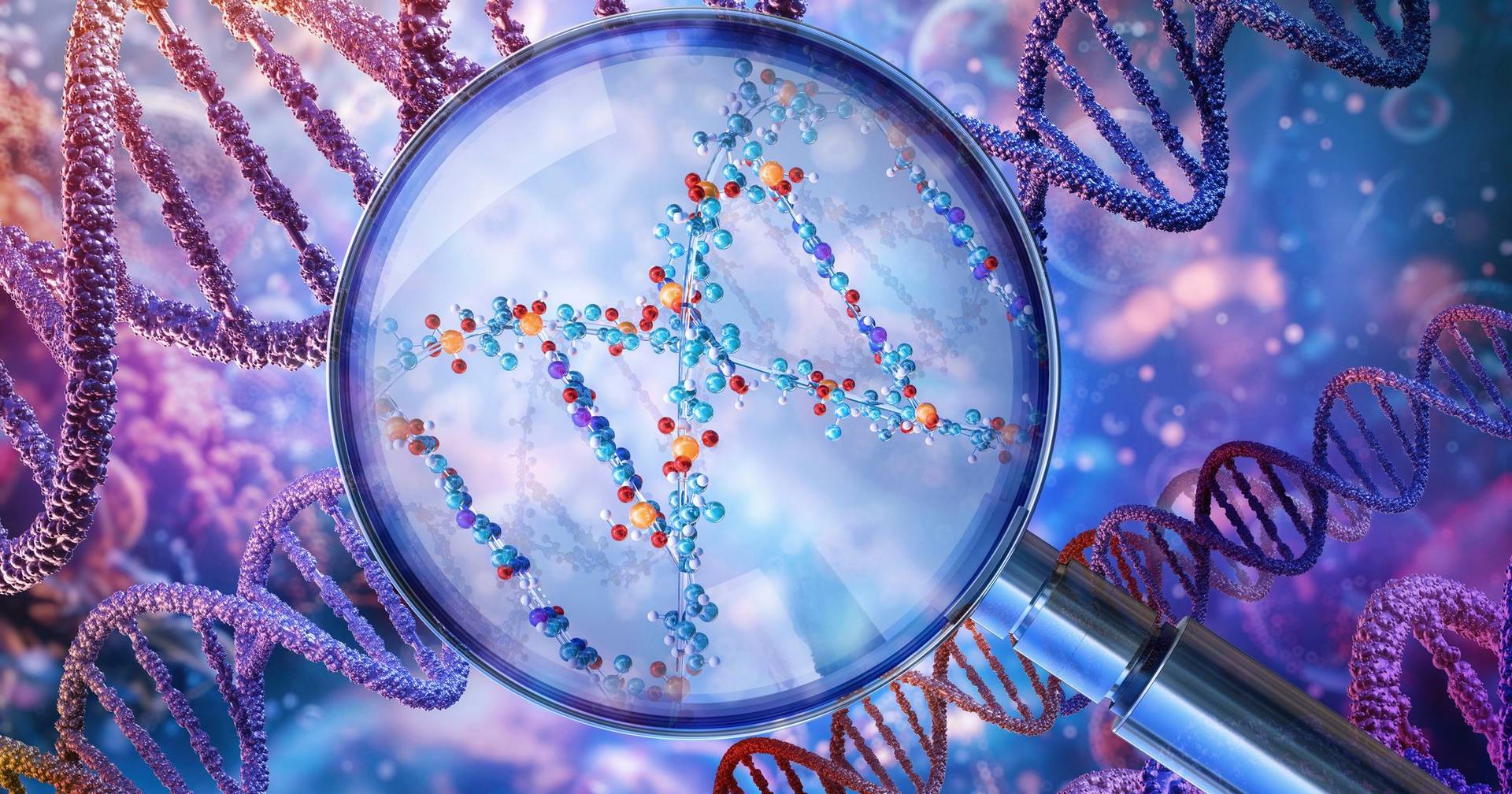
How Agriculture Shaped Human DNA Over 10,000 Years
A groundbreaking study spanning 10,000 years of human evolution has revealed that the shift to farming fundamentally altered our genetic makeup, leaving lasting traces that continue to influence health today. Researchers found that the adoption of agriculture triggered changes in hundreds of genes, many of which are now linked to modern diseases such as diabetes, obesity, and cardiovascular conditions.
The research, which analyzed ancient DNA from human remains across Europe and Asia, shows that natural selection favored genetic variants that helped early farmers digest starch-heavy diets and resist new infectious diseases from domesticated animals and dense settlements. However, these same adaptations may have come with trade-offs, increasing susceptibility to certain chronic illnesses in today’s environment.
One surprising finding involves red hair. Contrary to earlier assumptions, the study suggests that genes associated with red hair and fair skin may have provided an evolutionary advantage in low-sunlight regions, helping early humans synthesize vitamin D more efficiently. This challenges the idea that such traits were merely neutral or detrimental, instead positioning them as adaptive responses to northern climates.
the study confirms that human evolution did not stop with the advent of farming. Even in recent millennia, natural selection has continued to shape our genome in response to dietary shifts, pathogens, and lifestyle changes. Scientists emphasize that our bodies are still adapting — meaning the genes we carry today reflect not just ancient survival strategies but ongoing biological responses to modern pressures.
These insights underscore the deep connection between our evolutionary past and present-day health. Understanding how ancient lifestyle changes left genetic imprints can support explain why certain populations are more prone to specific diseases and may inform future personalized medicine approaches.
The findings were reported by multiple international teams and covered by outlets including SIC Notícias, Folha de S.Paulo, Portal iG, and Globo, highlighting growing global interest in how ancient human decisions continue to echo in our biology.
