
Hybrid vehicles are gaining traction in the Mexican automotive market, offering a compromise between customary gasoline cars and the rapidly evolving electric vehicle sector. A new report from the Mexican Automotive industry Association (AMIA) indicates a significant 17.4% increase in hybrid car sales compared to 2024, as consumers weigh factors like vehicle lifespan and maintenance costs alongside environmental considerations.This article examines the growing popularity of hybrid technology in Mexico and details how long these vehicles typically last compared to their gasoline and all-electric counterparts.
The growing interest in hybrid vehicles comes as the automotive industry redefines the relationship between durability, innovation, and sustainability.
Table of Contents
- The growing interest in hybrid vehicles comes as the automotive industry redefines the relationship between durability, innovation, and sustainability.
- Hybrid Car Sales in Mexico: Recent Numbers
- How Long Do Cars Last, by Powertrain Type?
- Why Gasoline Cars Still Last Longer
- Why Electric Cars Are Replaced More Quickly
- How Hybrids Fit Between Gasoline and Electric
- Factors Influencing Hybrid Car Lifespan
- Practical Recommendations to Extend Lifespan
Sales of hybrid vehicles in Mexico are on the rise, establishing themselves as a middle ground between gasoline and electric cars.
This growth isn’t solely driven by interest in cleaner technologies, but also by factors such as vehicle lifespan, maintenance costs, and the rate of turnover in the automotive fleet.
According to the latest report from the Mexican Automotive Industry Association (AMIA), hybrid car sales increased 17.4% compared to 2024, confirming a gradual shift in Mexican consumer preferences. This increase reflects a broader global trend as consumers weigh environmental concerns against practical considerations.

This information is supported by official figures from the National Institute of Statistics and Geography (Inegi), as reported by El Universal.
Hybrid Car Sales in Mexico: Recent Numbers
In August 2025 alone, 11,707 hybrid, plug-in hybrid, and electric vehicles were sold in the country. Of that total, 8,444 units were conventional hybrids, demonstrating the dominance of this technology within the alternative mobility segment.
This growth occurs as the automotive industry rethinks the relationship between innovation, durability, and sustainability, with consumers increasingly focused on how long they will keep their vehicles.
BYD is poised to surpass Tesla as the world leader in annual sales of 100% electric cars in 2025
How Long Do Cars Last, by Powertrain Type?
A study by S&P Global, cited by TV Bus, shows clear differences in the average lifespan of vehicles, depending on their powertrain:
- Gasoline Cars: In the United States, the average age is 12.5 years, and can reach 13.6 years excluding utility vehicles.
- Electric Cars: Are replaced on average every 3.6 years, driven by rapid technological innovation and flexible financing schemes.
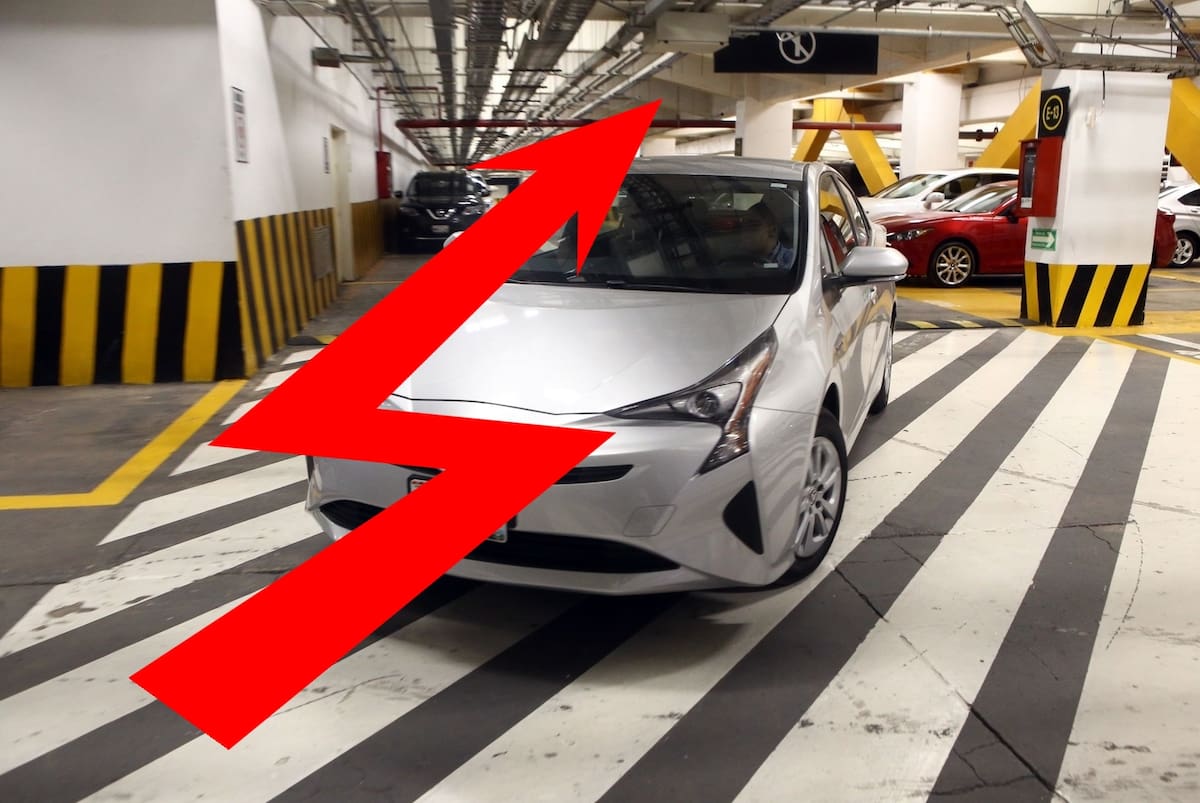
- Hybrid Cars: Their batteries typically last eight years or between 100,000 and 200,000 kilometers. The total vehicle lifespan can reach between 10 and 15 years, depending on the manufacturer and owner care.
These figures explain why hybrids are seen as a middle ground between the durability of gasoline cars and the constant innovation of electric vehicles.
Why Gasoline Cars Still Last Longer
Despite the advancement of new technologies, gasoline vehicles maintain a long lifespan for several reasons:
- High prices of new models, leading many owners to keep their current car.
- Known engines and accessible maintenance, with widely available workshops and parts.
- Active second-hand market, especially in areas without electric charging infrastructure.
- Range and convenience, key for long journeys or rural regions.
In 2022, the global vehicle shortage reduced sales to 13.9 million units, down from 14.6 million in 2021, further extending the lifespan of combustion cars in circulation.
Why Electric Cars Are Replaced More Quickly
In contrast, electric vehicles are often upgraded more frequently due to:
- Constant technological advances in range, software, and charging times.
- 36-month lease plans, which make it easier to switch cars every three years.
- Tax incentives and promotions, which reduce the cost of upgrading.
- Software updates, driven by brands like Tesla and BYD, that encourage vehicle turnover.
“The replacement cycle depends not only on price, but on the pace of innovation and consumer confidence,” notes the S&P Global study.
How Hybrids Fit Between Gasoline and Electric
Hybrid cars combine an internal combustion engine with an electric motor.
According to Volkswagen, a vehicle is considered hybrid “when it is powered by two engines of a different nature, such as an internal combustion engine and an electric one.”
This configuration allows for:
- Reducing gasoline consumption, especially in the city.
- Decreasing polluting emissions.
- Extending engine life, by alternating the use of both systems.
Although they require specific maintenance, the batteries are designed to maintain their performance for years and often come with extensive warranties.
Factors Influencing Hybrid Car Lifespan
The specialized portal Knauf Industries Automotive warns that the lifespan of a hybrid depends on several elements:
- High temperatures, which reduce battery efficiency.
- Low temperatures, which affect regenerative charging.
- Frequent use of air conditioning, which increases energy consumption.
Practical Recommendations to Extend Lifespan
- Regularly check oil, coolant, and brakes.
- Keep tires at the correct pressure.
- Check the battery voltage (12V or 48V, depending on the model).
- Avoid prolonged discharge or overcharging.
