
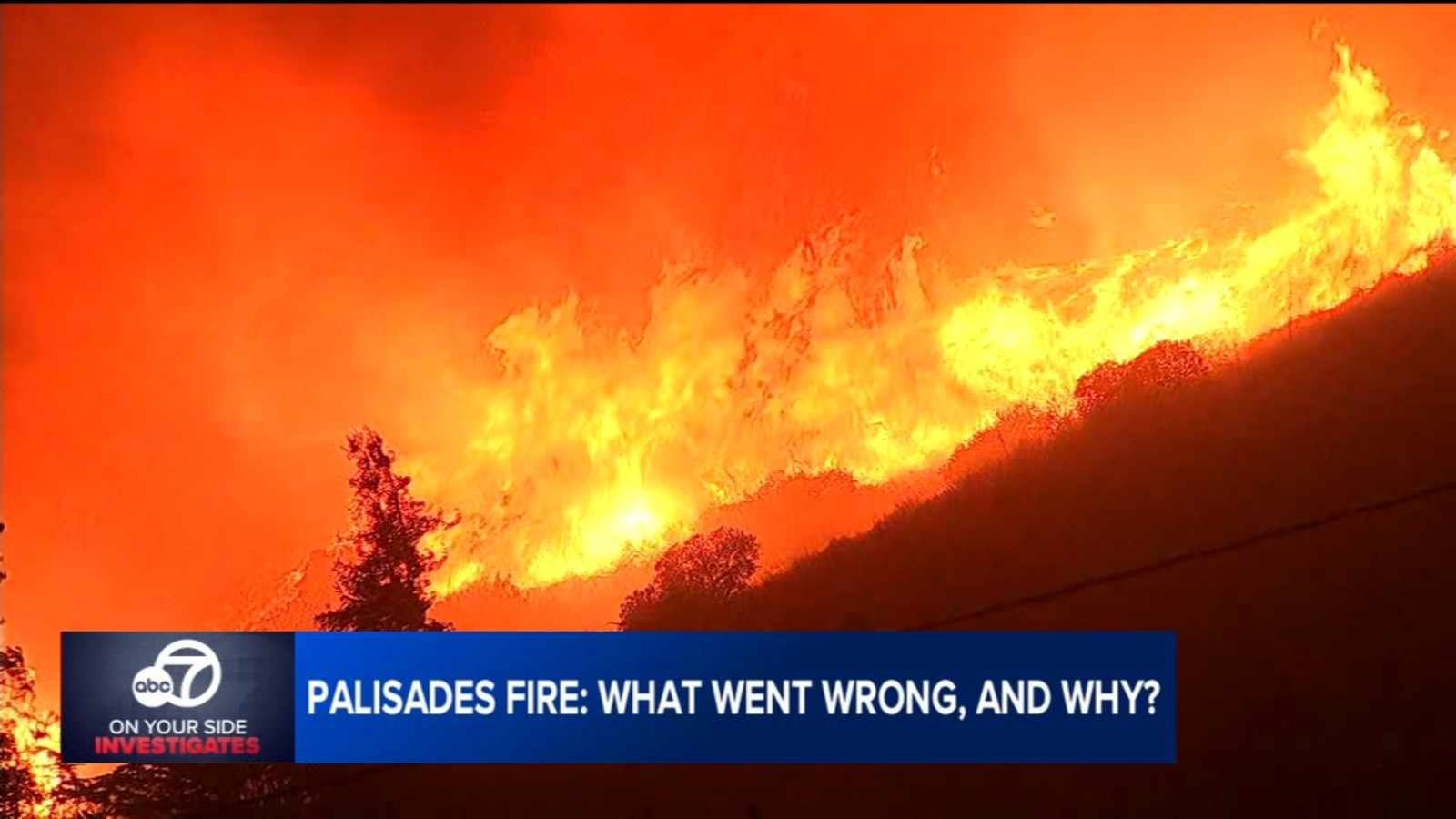
Los Angeles Fire Department Official Admits Pre-Deployment Plan Was Insufficient for Palisades Wildfires
Los Angeles Fire Department (LAFD) Deputy Chief Richard Fields has stated the pre-deployment plan in place for the January 7 wind event “wasn’t enough,” acknowledging shortcomings in the response to the devastating Palisades wildfires that resulted in 12 deaths and the destruction of over 6,000 structures.
In an exclusive interview, Fields explained the department deployed resources “to the capability that we had, given the constraints that we have,” but conceded that, in retrospect, keeping firefighters on duty for an extra shift should have been considered. He stopped short of calling it a “failure,” but expressed sorrow that the plan did not prevent the loss of life and property. “I’m sorry that the plan we put in place did not leave us in the W column and that it left 12 families without their loved ones,” Fields said.
Fields revealed that financial considerations were a constant factor in building the pre-deployment plan, stating, “We are considering the financial impact of staffing for overtime in every decision we make.” He acknowledged the department’s own after-action report, which concluded there “remains no substitute for preparedness,” despite efforts to maintain fiscal responsibility. The LAFD has faced scrutiny following the fires, including the recent termination of Fire Chief Kristin Crowley, partially attributed to decisions regarding staffing levels. Understanding wildfire preparedness is crucial for residents in high-risk areas.
The LAFD says it is updating its “matrix” – the formula used to determine resource allocation during significant wind events – and will pre-deploy more resources in the future. Fields stated he has been reflecting on the events of that day, saying, “I have to look my friend in the face who no longer has his home and hope that he’s still my friend because of the decision that I made, that we made.” The Los Angeles Times has provided extensive coverage of the Palisades fires and the subsequent investigations.
The department expects the updated pre-deployment strategy to be fully implemented before the next high-wind season.
