
Indonesia is preparing to determine the date of Eid al-Fitr, one of the most key holidays in the Islamic calendar. The official announcement will come after a meeting on Thursday, March 19, 2026, and could differ from the date already set by one of the country’s major Islamic organizations.
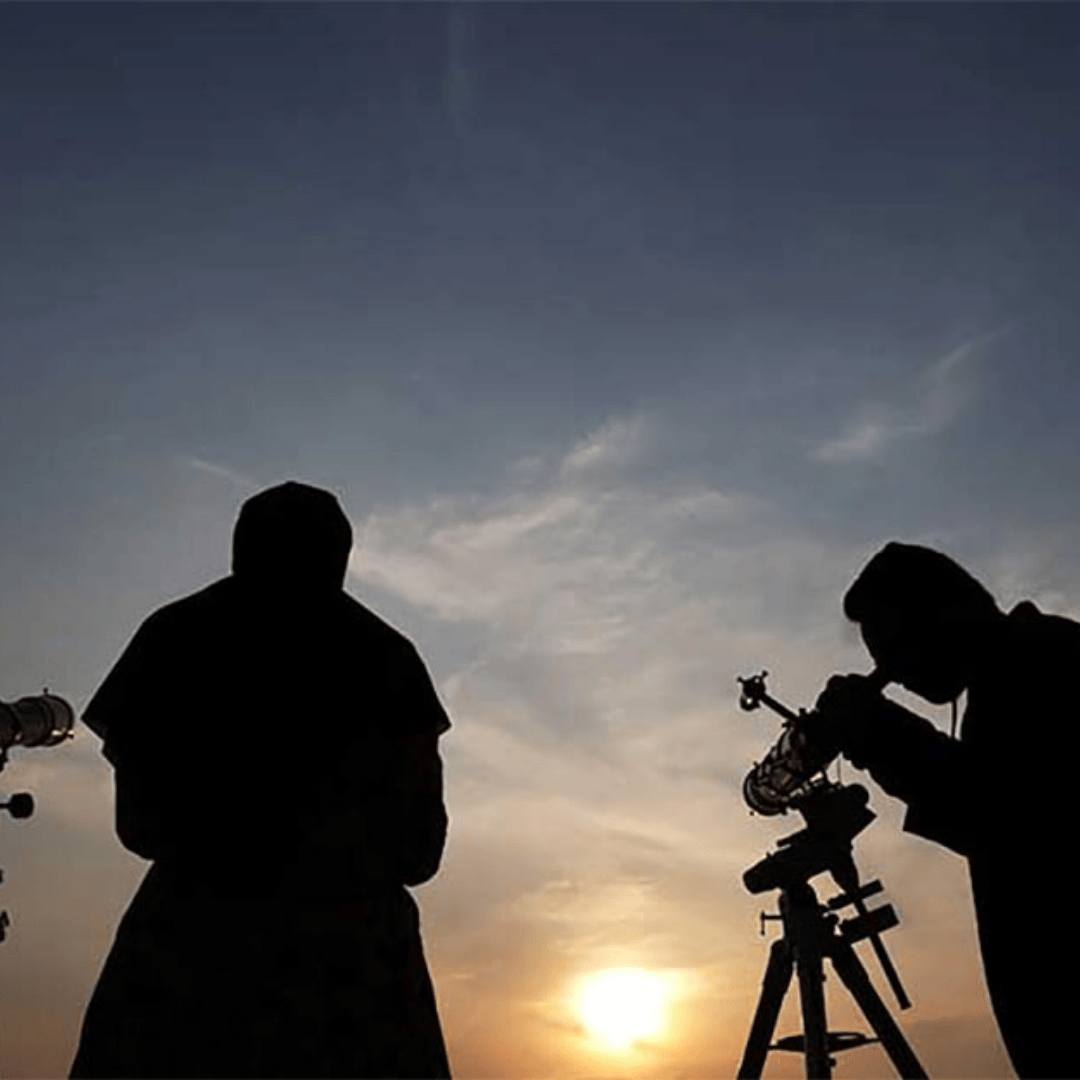
The Indonesian Ministry of Religious Affairs will hold a sidang isbat – a determination meeting – combining astronomical calculations and the physical sighting of the novel moon. The results of the sidang isbat are typically announced after the Maghrib prayer and serve as the national reference for the start of Eid al-Fitr.
This year’s meeting coincides with the 29th day of Ramadan in the Islamic calendar, 1447 Hijri. Prior to the sidang isbat, the government will monitor for the new moon across various locations throughout Indonesia.
The process involves multiple parties, including the Ministry of Religious Affairs, the Agency for Meteorology, Climatology, and Geophysics (BMKG), the National Research and Innovation Agency (BRIN), and Islamic organizations. This broad participation aims to ensure the decision is based on both scientific and religious principles.
The public can follow the announcement live through official broadcasts after the process concludes.
The sidang isbat will take place on Thursday, March 19, 2026, beginning at 4:00 PM local time and continuing until completion at the H.M. Rasjidi Auditorium, Ministry of Religious Affairs, Jakarta.
The meeting will begin with a seminar on the position of the new moon, followed by verification of reports from new moon sightings across Indonesia. The sidang isbat itself will be held in closed session, with the final results announced directly to the public by the Minister of Religious Affairs.
The official announcement is expected in the evening after all proceedings are finished, and the public is encouraged to await the government’s official decision as a guide for celebrating Eid al-Fitr.
A key question leading up to the sidang isbat is whether Eid al-Fitr will be celebrated on the same day by the government and the Muhammadiyah organization.
Muhammadiyah has already determined that 1 Shawwal 1447 Hijri will fall on Friday, March 20, 2026, based on its hisab method, which allows for the calculation of the date well in advance.
The government and other organizations, such as Nahdlatul Ulama, are awaiting the results of the new moon sighting on March 19, 2026. Astronomical predictions suggest that Eid al-Fitr could fall on Saturday, March 21, 2026, if the new moon is not visible. This potential difference mirrors situations in previous years.
Despite the possibility of differing dates, there remains a chance that Eid will be celebrated on the same day. This depends entirely on the results of the new moon sighting on March 19, 2026.
If the new moon meets the government’s visibility criteria, Eid could fall on March 20, 2026, aligning with Muhammadiyah’s date. Though, if the criteria are not met, Ramadan will be completed to 30 days, and Eid al-Fitr will fall on March 21, 2026.
This situation highlights the ongoing dynamic in determining the Islamic calendar in Indonesia.
The potential difference in dates stems from the methods used. Muhammadiyah employs the hisab method within the framework of the Single Global Hijri Calendar (KGHT), a mathematical calculation of the moon’s position applicable worldwide. This method allows for earlier date determination.
The government, however, uses a combination of hisab and rukyat – relying on both calculations and the actual sighting of the new moon. This difference in approach is a primary reason why Eid is sometimes celebrated on different days in Indonesia.
The sidang isbat has a significant impact on the public, particularly in planning for religious observances, travel, and extended holidays.
With Eid al-Fitr 2026 potentially falling between March 20 and March 21, it coincides with Nyepi, the Balinese Day of Silence, on March 19. This creates a unique and extended holiday period.
The government has also designated public holidays around these dates, providing people with more time for family gatherings and rest. However, the public is urged to await the official results of the sidang isbat to ensure their religious observances align with the official guidelines.
Differences in the determination of Eid al-Fitr are not a cause for debate, but rather a reflection of the richness of Islamic scholarship.
Maintaining mutual respect among Muslims is paramount, regardless of whether they celebrate on different days. Both approaches have a strong foundation. This spirit aligns with the Sustainable Development Goals, particularly in fostering peaceful, inclusive societies that respect diversity.
