
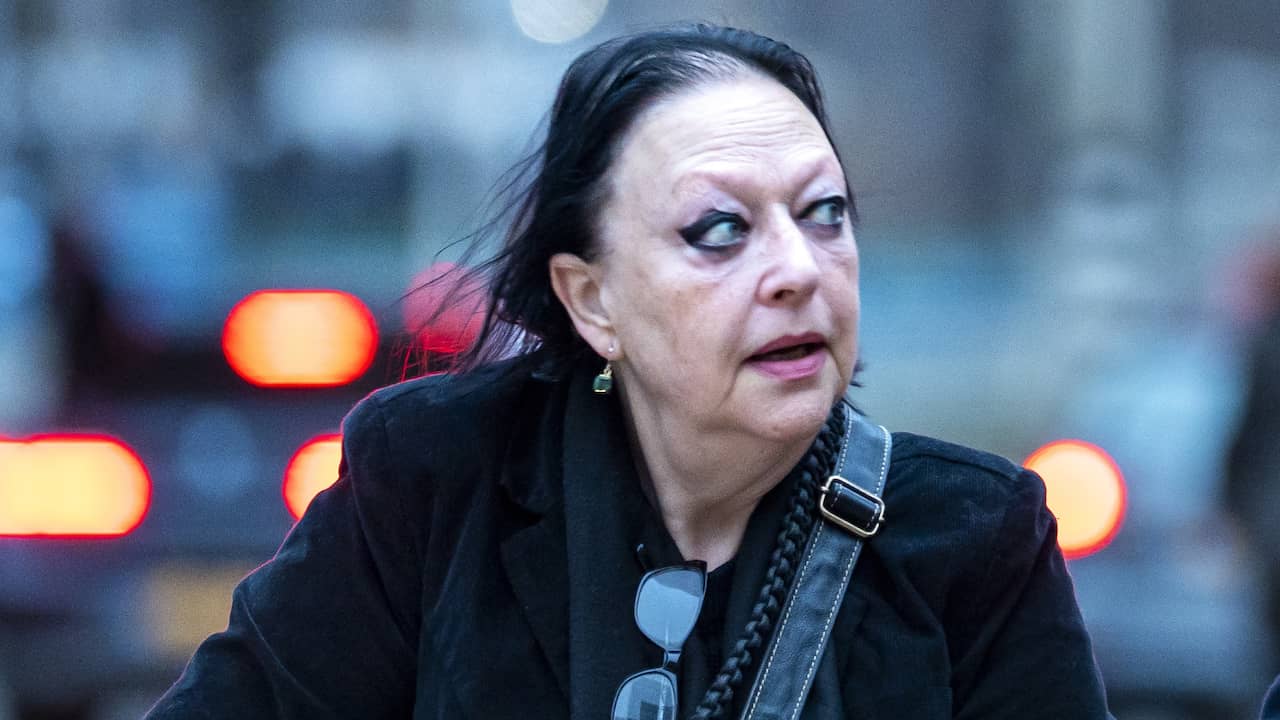
Former Lawyer Inez Weski Denounces Legal System as ‘Shameless’ in Trial Closing
In a highly charged conclusion to her trial in Rotterdam, 71-year-old former attorney Inez Weski delivered a scathing final statement, claiming she has been “outlawed” by the state and can no longer trust the Dutch legal system. The proceedings, which concluded on April 14, 2026, highlight the intense friction between the protections of attorney-client privilege and the government’s efforts to disrupt organized crime.
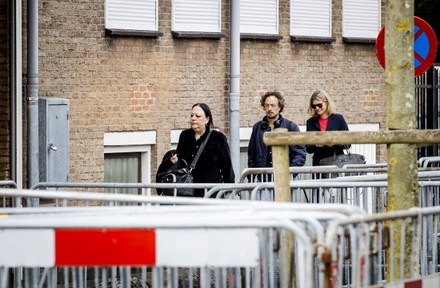
Weski faces allegations that she served as a communication bridge, passing messages between her former client, Ridouan Taghi, and his associates. Taghi, who is currently held at the Extra Beveiligde Inrichting (EBI) in Vught, was sentenced to life imprisonment in 2024 for his involvement in multiple murders. According to the Public Prosecution Service, Weski’s actions constituted participation in a criminal organization, leading prosecutors to request a prison sentence of 4.5 years.
During her final appearance, Weski vehemently denied the accusations, describing the prosecution’s claims as “shameless” and an act of “injustice.” In a moment of symbolic frustration, Weski remarked that “the law is creaking” after her microphone emitted a jarring noise at the start of her speech. She later used a series of etchings and paintings by Francisco Goya to illustrate what she described as the decay of the rule of law, becoming emotional as she argued that the law is now “only there to be ignored.”
The defense, led by the Knoops legal team, spent two and a half session days arguing that the case is fundamentally flawed and should be dismissed entirely. Her lawyers contend that the Public Prosecution Service suffered from “tunnel vision,” selectively extracting and misinterpreting intercepted chat messages to build a narrative against Weski. If the court does not dismiss the case, the defense is seeking a full acquittal.
The trial also brought to light Weski’s experiences during her initial detention in April 2023. She spent nine days in pre-trial custody at a secret location in Kamp Zeist. While prosecutors stated this was necessary for security reasons, Weski claims she was placed in life-threatening danger and was denied adequate care. Further complicating the legal battle, concerns have been raised regarding her health, with arguments suggesting that she may not survive a prison term due to her medical condition.
Despite these claims, the prosecution remains firm. Officials stated they do not doubt the truthfulness of statements Weski allegedly made shortly after her arrest, even as she now claims those words were unfairly attributed to her.
The court is expected to deliver its verdict on May 21, 2026, in a decision that could have significant implications for the boundaries of legal privilege in high-profile criminal cases. Weski concluded her testimony by stating, “I can no longer trust the state.”
