
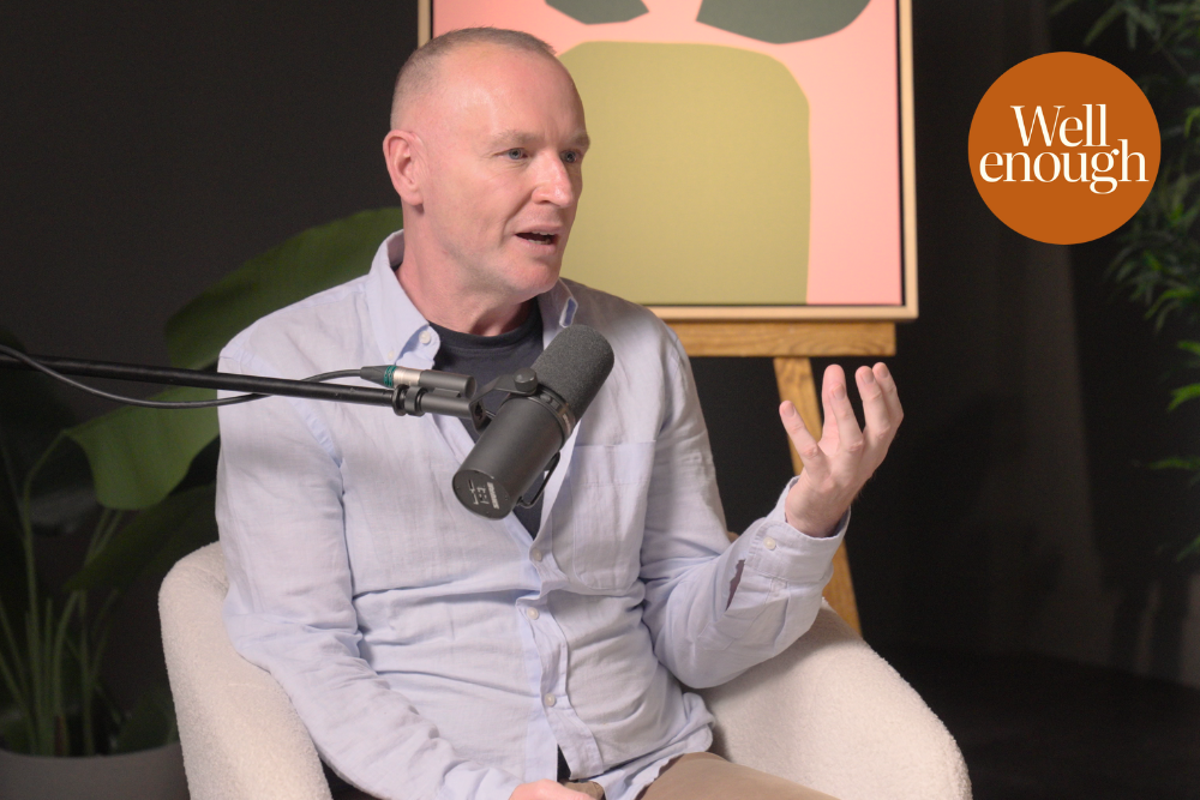
Men Often Mask Depression with Routine, Experts Warn
A new discussion highlights the challenges men face in recognizing and addressing mental health crises, often concealing depression behind work, social activities, and daily life.
Mental health expert Owen O’Kane explained that loneliness is a key, yet often overlooked, symptom of depression. “You never see in an NHS tick box ‘loneliness’ as a symptom. And yet, it’s probably one of the key symptoms of depression – that people feel very, very lonely and disconnected in some way. But we don’t really measure that as problematic,” he said. O’Kane noted that men, in particular, frequently attempt to maintain a normal facade, making it difficult to identify underlying issues. He suggests seeking help when “bad days start to outnumber the good days.”
TV presenter and mental health campaigner Matt Johnson shared his personal experiences, describing how “faking it ‘til I made it” was incredibly difficult and led to a suicide attempt in 2009. “With diagnosis I could see that this was depression and kind of gives it reasoning and it allows you to see it for what it is,” Johnson stated. This underscores the importance of early intervention and diagnosis, as suicide remains the biggest killer of men under 50 in the UK. Resources like Mind offer support and information.
Both O’Kane and Johnson discussed societal pressures that discourage men from seeking help, often promoting the idea of “manning up” instead of addressing emotional wellbeing. O’Kane’s book, Addicted to Anxiety, offers practical advice for recognizing symptoms and breaking harmful patterns. Experts emphasize the need to treat oneself with compassion and prioritize emotional health alongside physical wellbeing, a topic further explored in the Well Enough podcast.
Officials encourage men to prioritize their mental health and seek support when needed, emphasizing that taking the first step towards help can be incredibly empowering.
