
A wave of nostalgia for the mid-2010s is sweeping across social media, notably on Instagram, where users are revisiting and reviving trends from 2016. From the resurgence of the “Clarendon” filter to throwback posts from celebrities like Hailey Bieber and Kylie Jenner, a longing for a seemingly simpler digital era is taking hold.The trend, dubbed “2026 is the new 2016,” prompts a deeper look into what aspects of the past are proving so appealing in the current landscape of algorithm-driven feeds and rapidly evolving technology.
Instagram feeds are currently awash in a dreamy, pastel-hued aesthetic. One filter in particular, “Clarendon,” is experiencing a resurgence, having been the most popular photo effect back in 2016. The filter, known for its high contrast, cool tones, and a subtle brightening effect on teeth and eyes, offered a quick way to add drama and definition to images – long before the age of sophisticated AI tools.
Now, in 2026, users are unearthing those seemingly carefree, heavily-filtered photos from a decade ago, sharing them with the playful hashtag “2026 is the new 2016.” Model Hailey Bieber has been leading the charge, posting throwback photos featuring pink hair and the infamous “duck face.” Kylie Jenner, Kim Kardashian’s younger sister, has followed suit. “You just had to be there,” she wrote alongside her own nostalgic posts. The era is being declared, and now, people are trying to relive it. But why?
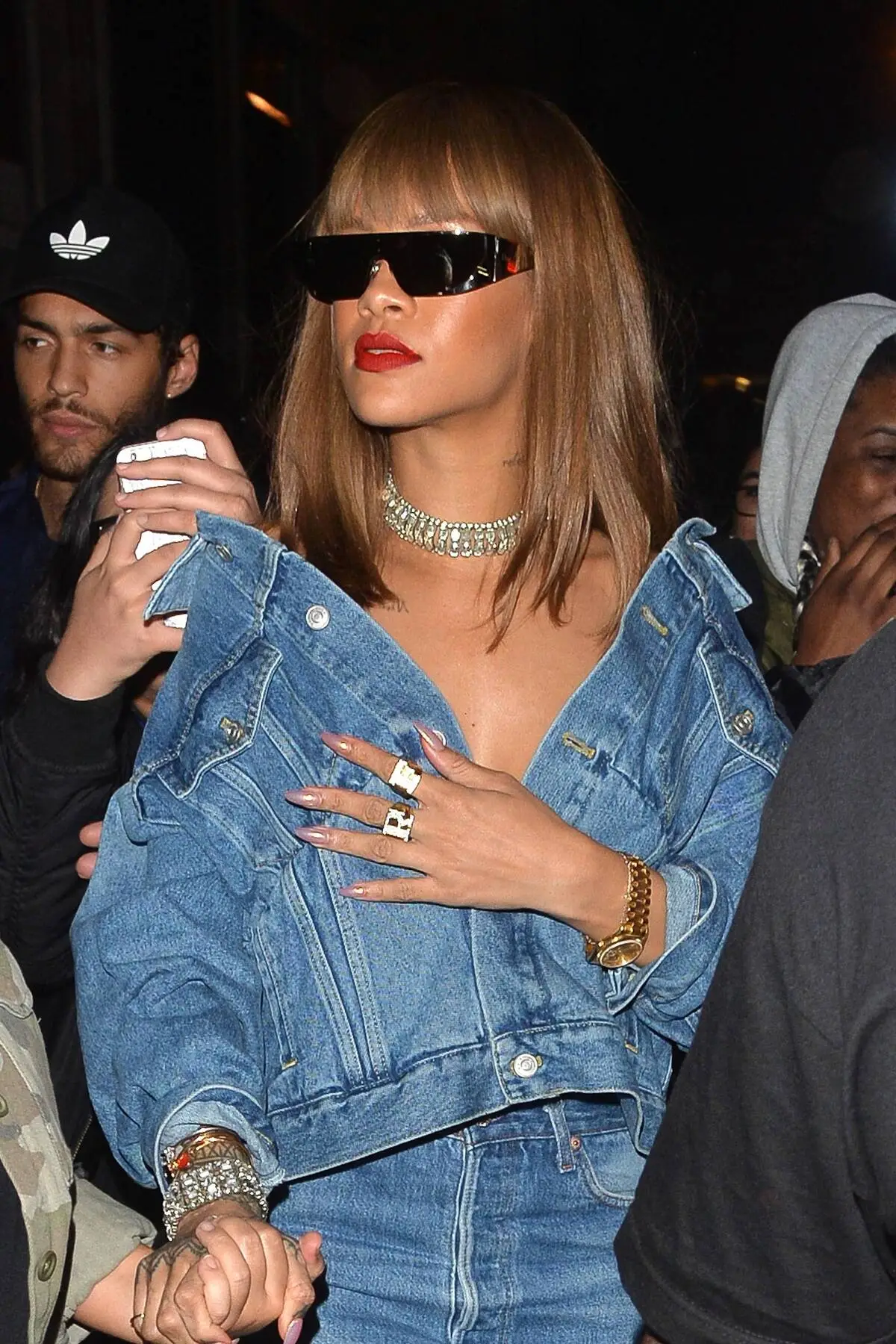
Fashion-wise, 2016 wasn’t particularly groundbreaking – think skinny jeans, layered necklaces, and a lot of denim paired with statement jewelry (as seen in Rihanna’s looks from the time). The most talked-about fashion moment might have been a Dior shirt emblazoned with the slogan “We should all be Feminists.” Musically, the year was more dynamic, with Rihanna releasing her last album before focusing on her family with rapper A$AP Rocky (as Benjamin Stolz details below). However, that alone doesn’t fully explain the current obsession.
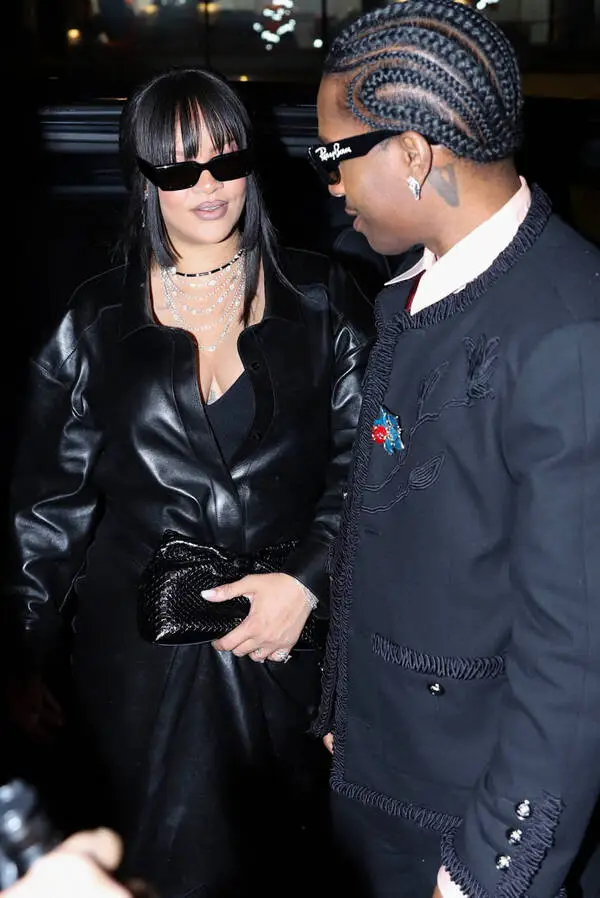
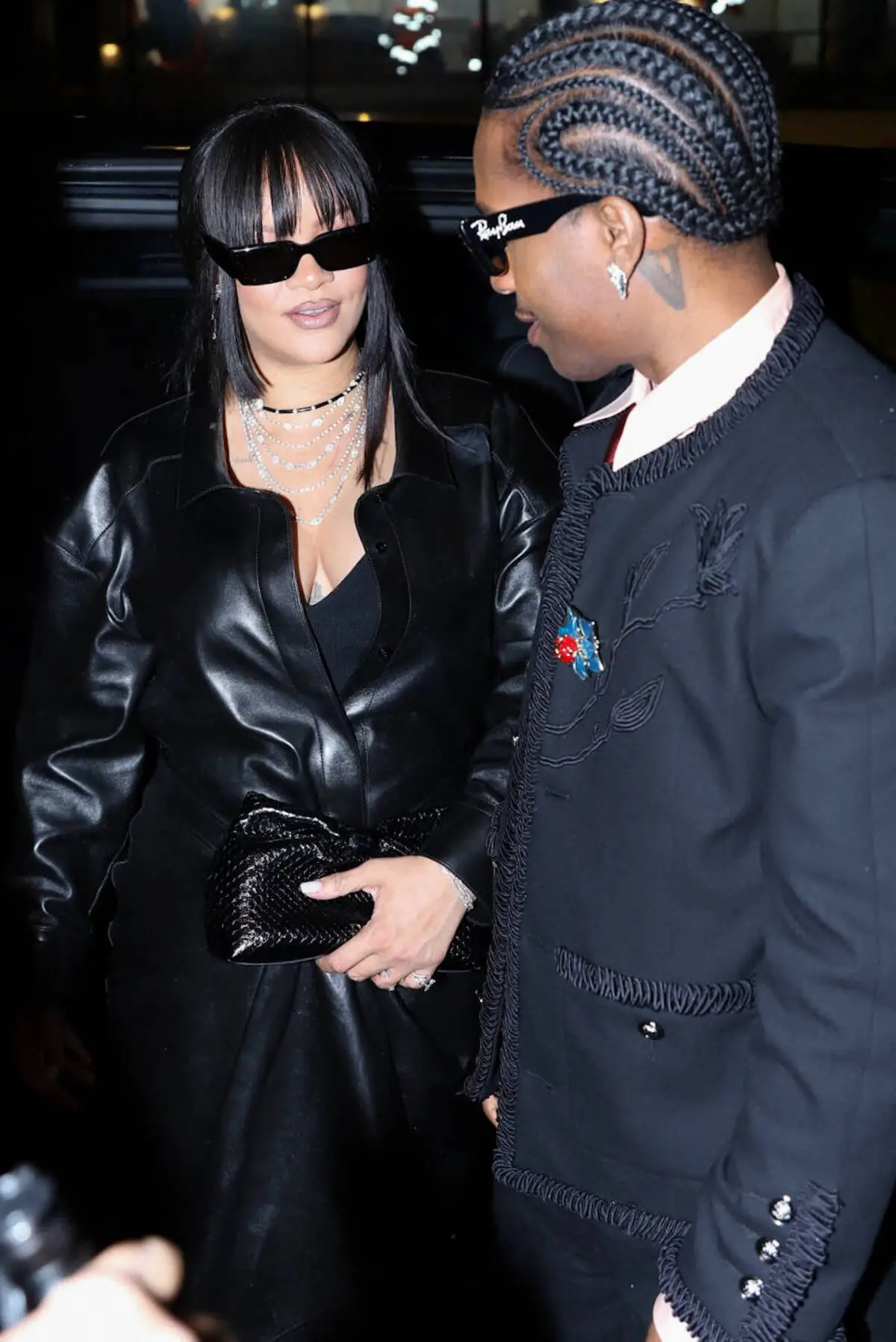
Hier ist Popstar Rihanna mit ihrem Partner Rapper Asap Rocky zu sehen, im Jänner 2026.
Imago
Why wasn’t 2025 “the new 2016”? It’s a question some users posed a year ago on TikTok, but it didn’t gain much traction. Now, a year later, the same question is going viral. It seems like the internet collectively remembers 2016 as a simpler time – a turning point. What exactly are people longing for?
A time before endless “doomscrolling,” for example, the habit of endlessly consuming negative news. TikTok didn’t launch internationally until 2017. Before that, there was Musical.ly, but it was primarily used for lip-syncing videos, rather than platforms for political debate or religious conversion.
While provocative content still exists, social media has become increasingly political and professionalized over the last decade, giving rise to the “influencer” and a shift towards branded content. In 2016, Instagram users primarily shared spontaneous selfies or scenic views, often enhanced with obvious filters. Even celebrities embraced a more casual approach to the app, appearing more relatable. True influencers were rare, and many were simply aspiring teens trying to emulate them.
Fixed fees for influencer work didn’t emerge until after 2016. Those teens have grown up and become wealthier, along with the agencies that represent them. But even the average user now curates their feed with more precision, often meticulously editing hundreds of photos before posting. Authenticity is often simulated. The focus has shifted from simply sharing to self-presentation.
Instagram further fueled this trend with a significant change in the middle of 2016: switching from a chronological feed to an algorithm. This algorithm prioritizes visually appealing content over less polished posts, and controls which users see what. This change gave everyone their own curated worldview, contributing to societal polarization. It’s no surprise that “post-truth” was named the word of the year in 2016, describing a political climate where facts are irrelevant. Personal beliefs are what matter. This shift in the media landscape has had a lasting impact on how we consume information.
This fragmentation was evident in the 2016 US presidential election between Donald Trump and Hillary Clinton, and in a similar vein in Austria with Alexander van der Bellen versus Norbert Hofer. It also played out in the Brexit referendum, where filter bubbles created separate echo chambers – “Remain” feeds and “Leave” feeds.
The British ultimately voted to leave the EU, and the right-populist candidate won in the US. Many now look back on 2016 as the last “good” year – a time when things felt less uncertain, before Trump’s promises were taken seriously, or when statements like “NATO is obsolete” seemed unthinkable. His recent foreign policy actions have proven many wrong.
Adding to the nostalgia, 2016 also saw the release of the Playstation VR, making virtual reality accessible to the masses. It was also the year Apple introduced its first wireless headphones, AirPods, and Amazon brought Alexa, its virtual voice assistant, to German-speaking markets.
For many, Alexa was the first AI-powered companion. Now, a decade later, chatbots are offering to fulfill similar roles. It’s even possible to generate a personalized partner in under two minutes. Replika advertises itself as “A friend who doesn’t judge, with no drama and social anxiety.” Sounds appealing, doesn’t it? In Japan, a woman recently married one of these AI companions. A decade ago, this scenario would have been the stuff of dystopian science fiction, like an episode of “Black Mirror.” The same goes for AI-generated nude images of anyone, and the recent controversy surrounding Elon Musk’s Grok AI.
Is it any wonder people are craving filters that add rosy cheeks and bunny ears? Or filters that bring back flower crowns? A time when #GoodVibesOnly was the prevailing sentiment. Nostalgia in times of uncertainty isn’t new, but the timeframe people are romanticizing is shrinking. Trends now move so quickly that the recent past feels distant. Trend cycles used to last around twenty years, with children drawing inspiration from their parents’ culture. That required effort to uncover.
Today, social media constantly feeds us content we engaged with years ago, without us even having to remember it. Some critics fear this trend is being manipulated by artificial intelligence to gather more data, even from those who weren’t active in 2016. It’s possible that our collective escape into the past is actually training the AI. No matter how much we dwell on what once was, the future remains unavoidable.
Looking Back
In 2016, Instagram introduced “Stories” and switched from a chronological feed to an algorithmic one, enabling endless scrolling.
Apple unveiled its first wireless headphones the same year.
The video-sharing platform TikTok was initially launched in China, but not yet available internationally.
Looking Ahead
2026 is being dubbed “the new 2016,” with Selena Gomez, Dua Lipa, and Billie Eilish joining Hailey Bieber and Kylie Jenner in sharing throwback posts.
Will the fashion trends also make a comeback? Skinny jeans have been due for a revival, and bold jewelry is also reappearing.
