
Intel unveiled its new Core Ultra Series 3 processors at CES 2026, marking a critical push to regain market share in a competitive landscape challenged by AMD and the rise of ARM-based computing [edit]. The processors, manufactured using Intel’s advanced 18A technology, represent the company’s latest effort to blend performance with power efficiency and AI capabilities [edit]. The launch comes as Intel navigates a period of restructuring and investment, including significant backing from the U.S. government, as it aims to reassert its dominance in the processor market [edit].
Intel is betting on its new Core Ultra Series 3 processors to regain ground in a fiercely competitive market, facing pressure from AMD and the rise of ARM-based chips. The company unveiled the new mobile processors at CES 2026 in Las Vegas this week, marking a critical moment for the chipmaker as it seeks to reassert its innovation leadership.
The Series 3 processors, officially dubbed “Panther Lake,” are Intel’s first to be manufactured using its 18A technology – equivalent to a 2nm process at TSMC. Intel emphasized that these chips are made in the USA, a point of national pride in the current geopolitical landscape. “These are the most advanced chips ever made in the United States,” the company insisted.
This launch comes as Intel navigates a challenging period, having lost market share to AMD in both server and PC gaming segments. The company is also responding to the growing influence of AI, evolving computing needs, and the emergence of Snapdragon X-series processors powering Windows Copilot+ PCs.
“With the Series 3, we are focused on power efficiency, adding more CPU performance, a new class of GPU, more AI capabilities, and the x86 compatibility you can rely on,” explained Jim Johnson, Intel Senior Vice President.
A Broad Range of Options
Table of Contents
- A Broad Range of Options
- A Pressured Launch, But a Sign of Hope
- Further Reading:
- Snapdragon X2 Challenges Apple M4 for Smarter, More Powerful PCs
- Intel Unveils Highly Anticipated Mobile Processors, Panther Lake, on 18A Process
- Intel Drops Entry-Level Segment of Future Xeon 7 Processors
- What the Q3 2025 Results of Intel, AMD, and Qualcomm Reveal
- A Second Look: The Technological Impacts of the Intel/Nvidia Partnership
- Washington Invests in Intel to Secure US CPU Dominance
Intel is rolling out a diverse lineup within the “Series 3,” including models without a Neural Processing Unit (NPU) aimed at the entry-level PC market and industrial applications. Alongside these, the company is introducing high-performance “Ultra” X9 and X7 processors with graphics capabilities rivaling dedicated gaming machines, featuring an Intel Arc B390 12-core iGPU. This wide range of options is designed to appeal to a broad spectrum of manufacturers and price points, though it may create complexity for consumers.
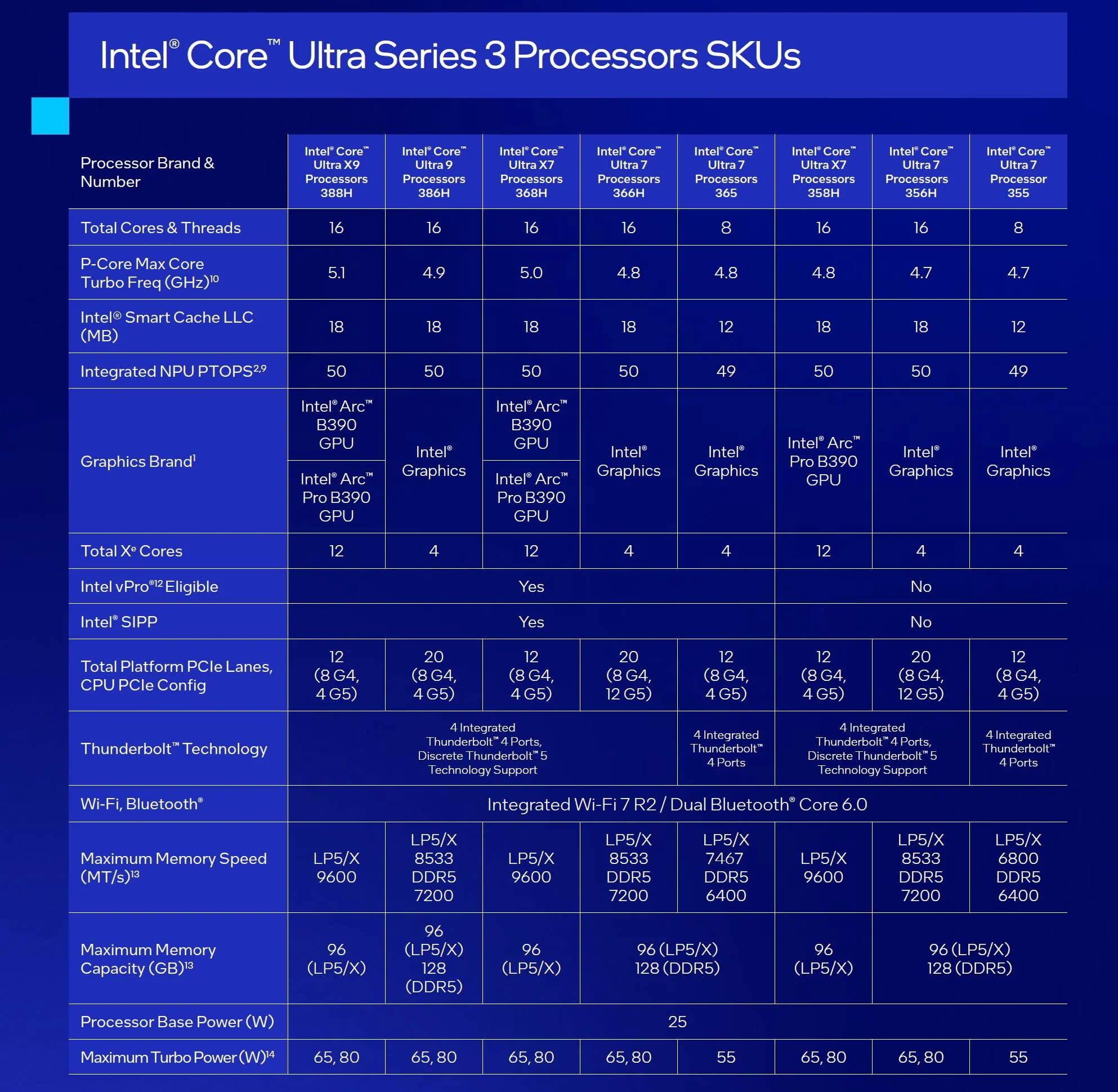
The most advanced models feature up to 16 CPU cores, 12-core Xe iGPUs, and a Neural Processing Unit (NPU) capable of 50 TOPS – significantly exceeding the requirements for Microsoft’s Copilot+ PCs. This focus on AI processing power reflects the growing importance of on-device machine learning.
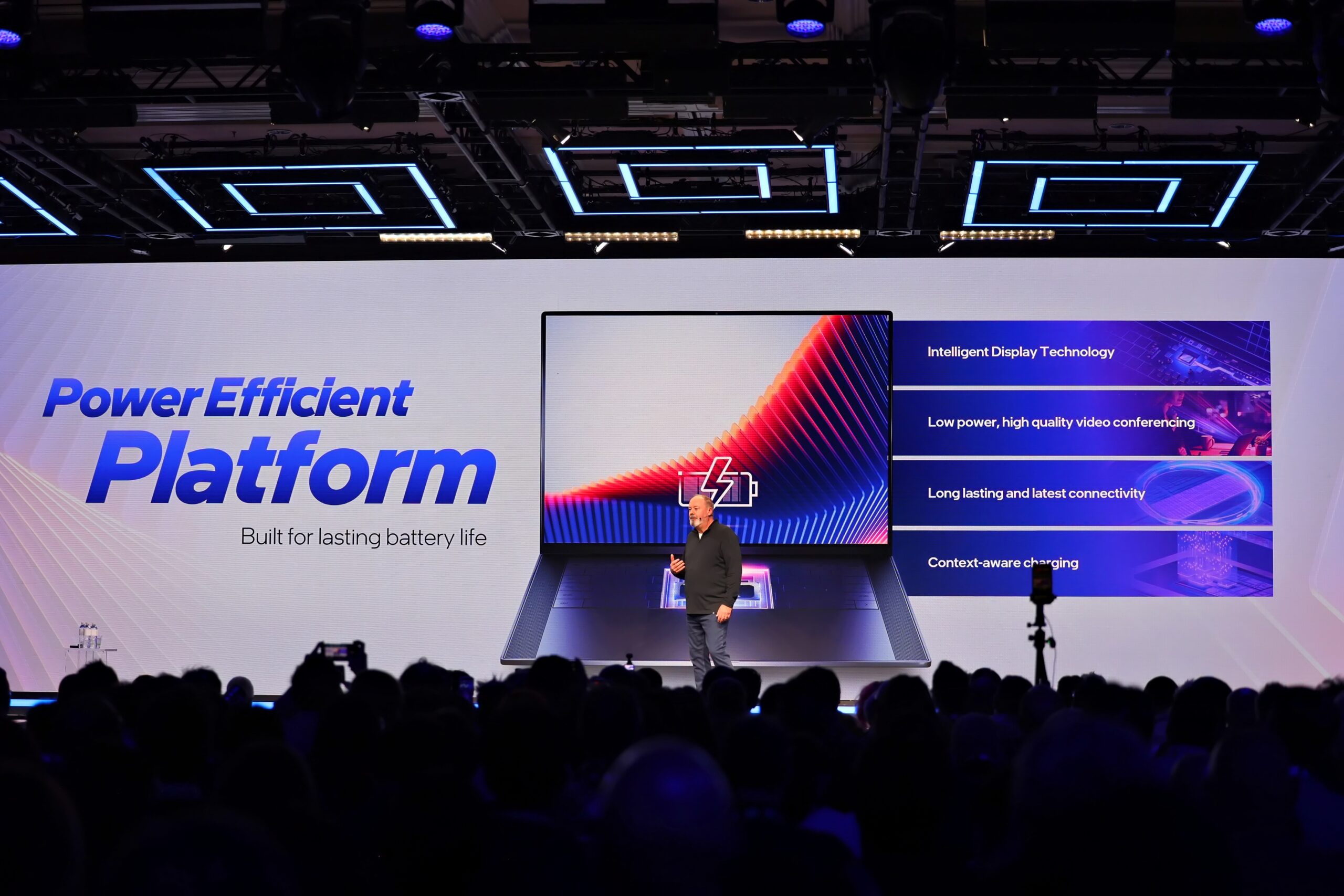 Intel is touting performance gains including up to 60% faster multithreaded performance compared to Lunar Lake, up to 77% improved graphics performance, and up to 27 hours of video streaming battery life on a Lenovo reference design.
These figures will be closely scrutinized by analysts during independent testing, particularly as the CPU performance claims appear substantial. The launch underscores Intel’s renewed focus on competing with ARM-based processors in the PC space.
The company has focused on improving iGPU performance – a weakness of first-generation Snapdragon X chips – and battery life, though real-world performance under battery load remains a key area to watch, as x86 processors are known to experience more significant performance drops on battery compared to ARM-based designs.
The new processors also support Wi-Fi 7 (R2), Bluetooth 6.0, up to four Thunderbolt 4 ports, two USB 3.2 ports, and eight USB 2.0 ports.
A Pressured Launch, But a Sign of Hope
 Despite the enthusiasm, the launch follows a period of internal challenges and delays with the 18A process, culminating in the departure of former CEO Pat Gelsinger in late 2024.
However, momentum appears to be building. Intel has regained financial flexibility, received significant funding from the US government, and seen Nvidia take a 4% stake in the company.
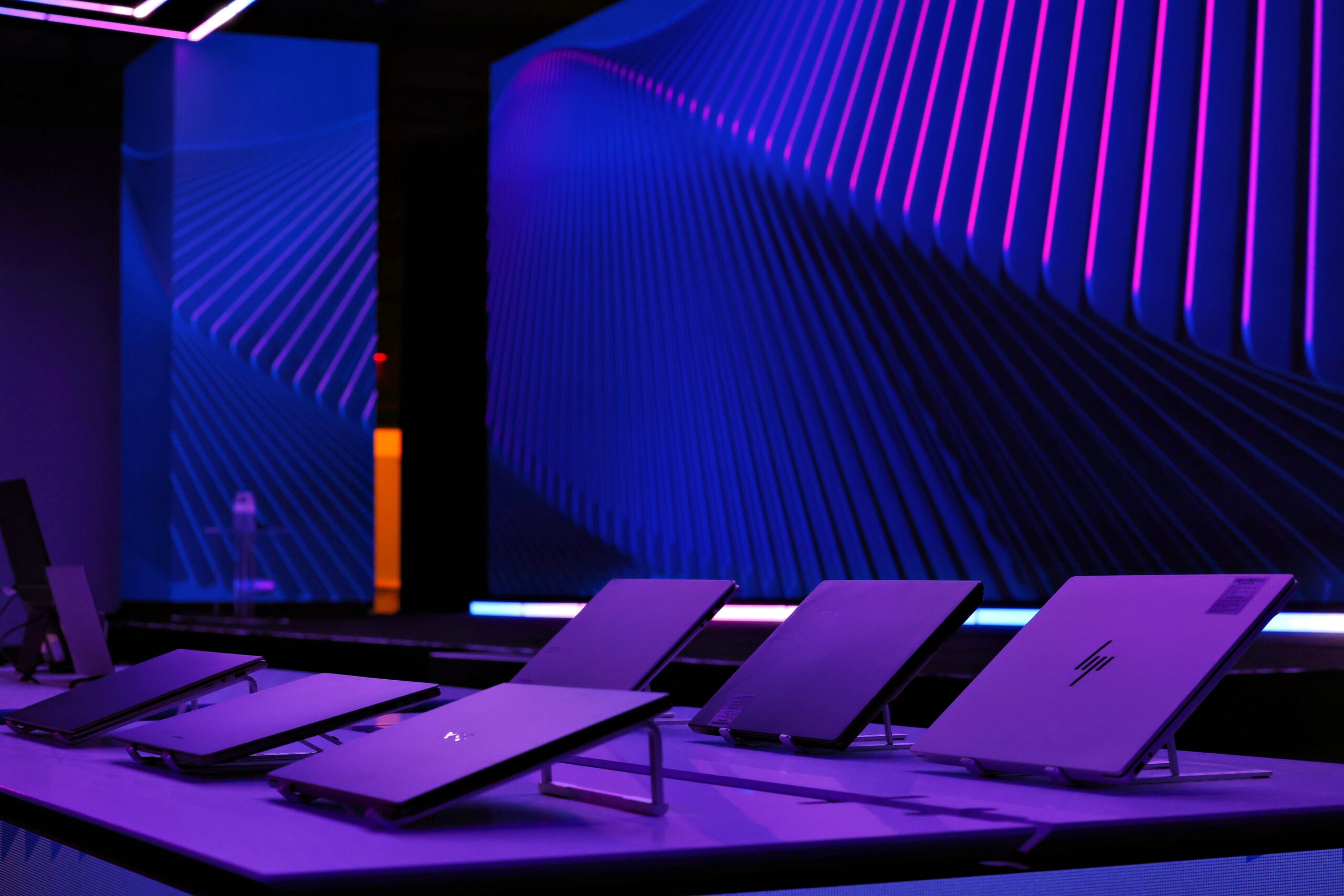
Pre-orders begin on January 6, 2026, with global availability scheduled for January 27 for initial models. Versions for the Edge will arrive in the second quarter of 2026, coinciding with the first machines from manufacturers like Lenovo, HP, Dell, and Asus. Intel anticipates that over 200 machines will be equipped with its new processors in the coming months.
