
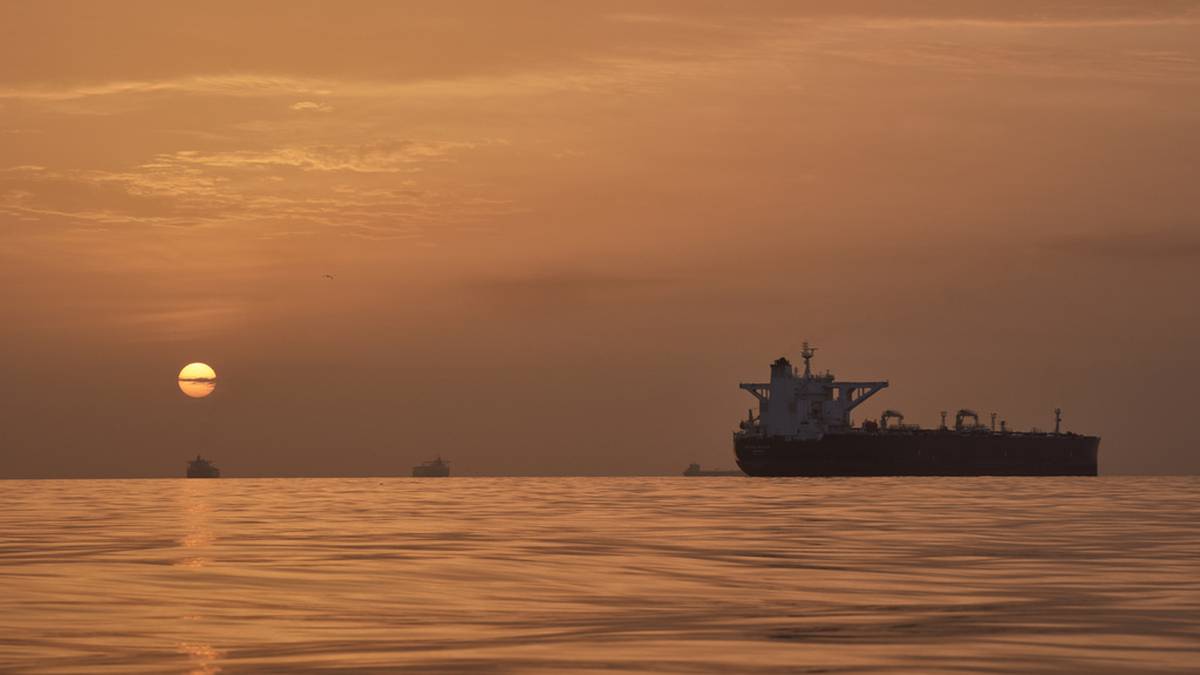
The Strait of Hormuz has once again become a flashpoint in regional tensions, with Iranian authorities warning that vessels approaching the waterway will be treated as potential targets. The declaration comes amid renewed concerns over maritime security in one of the world’s most critical oil chokepoints, through which roughly a fifth of global petroleum supplies pass.
According to reports from Iranian state media, the Islamic Revolutionary Guard Corps Navy issued a statement asserting that any ship attempting to transit the strait without coordination would be considered a legitimate target. The warning follows a series of incidents in recent days involving commercial vessels in the vicinity, including an alleged attack on a tanker that prompted Tehran to temporarily restrict shipping lanes.
Earlier, Iranian officials had signaled a possible shift in stance, suggesting a willingness to de-escalate after international pressure mounted. Yet, the latest communication indicates a hardening of position, with Tehran reiterating its stance that foreign naval presence—particularly from the United States and its allies—constitutes a provocation in what it considers its sphere of influence.
The developments have drawn sharp reactions from Western capitals. In response to Iran’s renewed threats, former U.S. President Donald Trump issued a strong rebuke, asserting that attempts to intimidate global shipping would not be tolerated. His comments echoed broader Western concerns that Iran’s actions risk destabilizing energy markets and provoking a broader confrontation.
Maritime analysts note that even the perception of danger in the Strait of Hormuz can trigger insurance premium spikes and rerouting of cargo, affecting global trade. While no major disruptions have been reported so far, shipping companies are closely monitoring the situation, with some opting for heightened vigilance or alternative routing where feasible.
Diplomatic channels remain open, though direct talks between Iran and Western powers have stalled in recent months. The current episode underscores the fragility of the security environment in the Gulf, where mistrust, military posturing, and competing strategic interests continue to fuel uncertainty.
As of the latest updates, no confirmed casualties or vessel damage have been reported from the most recent incidents. Authorities in the region continue to urge restraint, emphasizing the importance of maintaining freedom of navigation in accordance with international law.
