
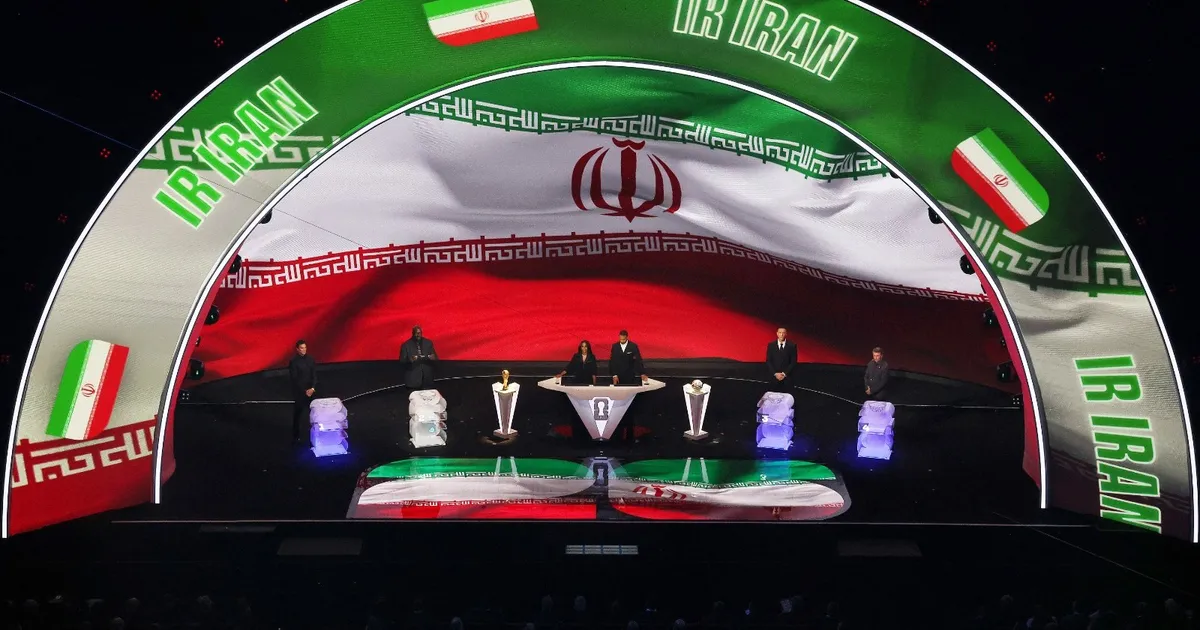
Iran Demands Strict Guarantees for 2026 World Cup Participation Amid Visa Row
The Iranian national team’s path to the 2026 World Cup is facing a significant diplomatic hurdle, with the Iranian Football Federation (FFIRI) insisting on a series of ironclad guarantees before the tournament kicks off on June 11 in the United States, Mexico, and Canada.

Tensions escalated following the denial of entry into Canada for FFIRI president Mehdi Taj prior to last month’s FIFA Congress. In response, the federation has presented FIFA with a list of 10 specific conditions that must be met to ensure the team’s participation.
At the heart of the dispute is the issue of travel authorizations. Iran is demanding guarantees that all players, coaching staff, and officials accompanying the delegation will be granted visas. This includes individuals who have completed military service with the Islamic Revolutionary Guard Corps (IRGC)—a group designated as a terrorist organization by both the United States and Canada.
The denial of Mehdi Taj’s entry into Canada was reportedly linked to his associations with the IRGC, highlighting the friction between national security laws of the host countries and the requirements of the visiting delegation.
Beyond visa concerns, the FFIRI is seeking assurances regarding the treatment of the national team during the event. These demands include:
- Full respect for the Iranian national anthem and flag.
- Enhanced security protocols at stadiums, hotels, and airports to protect the delegation.
The FFIRI stated that Iran intends to compete in the tournament “without any retreat from our beliefs, culture and convictions,” while emphasizing that the host nations must address their specific concerns.
While FIFA can manage tournament logistics and official protocols for participating delegations, the resolution of these demands remains complex. Issues involving border control, security vetting, and visa issuance fall under the sovereign jurisdiction of the U.S. And Canadian governments rather than FIFA regulations.
The outcome of these negotiations will be critical for the tournament’s organization, as the presence of the Iranian squad represents both a sporting and diplomatic challenge for the 2026 hosts.
