
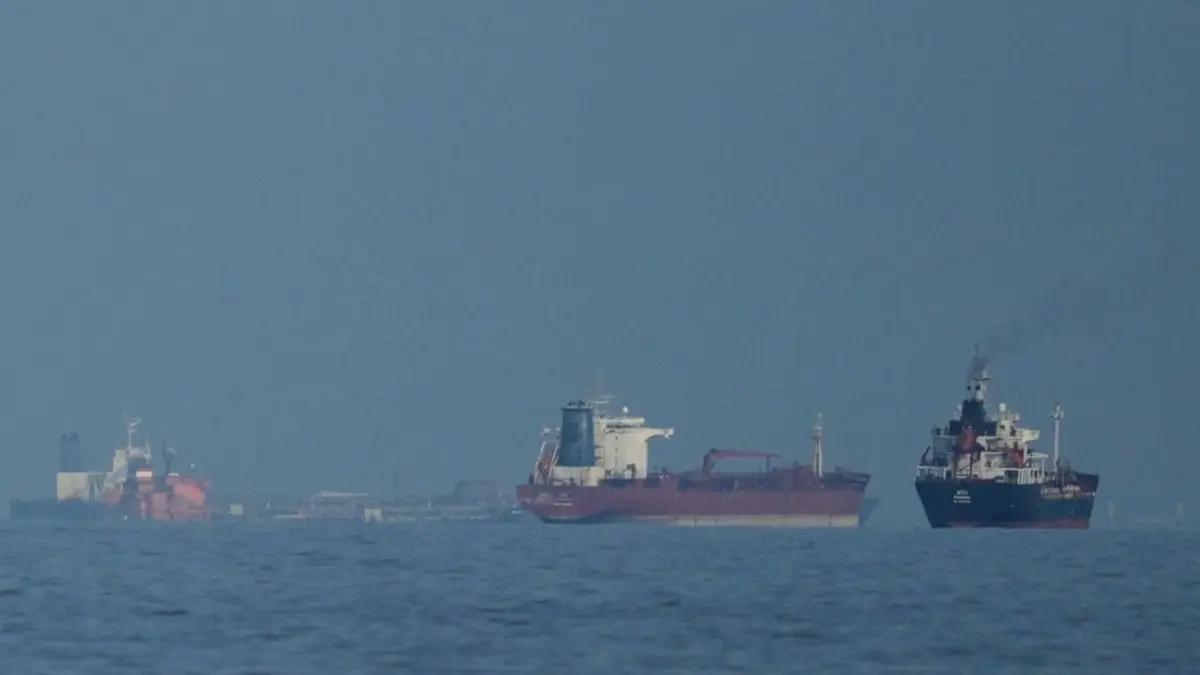
Iran has pledged retaliation following a U.S. Military strike on one of its vessels in the Gulf of Oman, while reiterating that no negotiations are currently underway with Washington.
The incident occurred when American forces intercepted and seized a large Iranian cargo ship in international waters near the Strait of Hormuz, according to multiple regional reports. Tehran condemned the action as a violation of any existing ceasefire understanding and warned that the move risks further destabilizing an already tense maritime environment.
Iranian officials described the seizure as an unlawful act of aggression, emphasizing that the vessel was engaged in routine commercial activity and posed no threat. They warned that the United States would face consequences for what they characterized as a provocative escalation.
The development adds to growing concerns over the safety of shipping lanes in one of the world’s most critical chokepoints for global energy trade. Any disruption in the Strait of Hormuz — through which roughly a fifth of the world’s oil passes — has the potential to trigger broader economic and geopolitical repercussions.
While the U.S. Has not issued a detailed public statement on the operation, the action appears to be part of a broader pattern of maritime interdictions aimed at pressuring Iran over its regional activities and nuclear program. Analysts note that such moves often coincide with stalled diplomatic efforts, though Tehran maintains that no talks are presently taking place.
The incident underscores the fragility of de-escalation efforts in the region, where military actions can quickly undermine diplomatic channels. As both sides exchange warnings, the risk of miscalculation remains high, particularly in confined waterways where naval encounters can escalate rapidly.
