

Tensions between the United States and Iran have escalated into a multifaceted conflict, blending traditional military threats with a modern “meme war” and AI-driven psychological operations. This digital friction reflects a broader shift in international diplomacy, where social media and artificial intelligence are now used to challenge state authority and shape global public perception.
Digital Warfare and AI Manipulation
Pro-Iranian groups are increasingly leveraging artificial intelligence to mock President Donald Trump and manipulate public opinion. This strategic utilize of digital tools has led some observers to suggest that Iran has effectively won the “meme war” against the U.S.
The digital aggression has extended to official diplomatic channels. The Iranian embassy in Bulgaria reportedly mocked the U.S. President, contrasting their ridicule with the “tons of threats” issued by Trump. In a direct confrontation, Tehran told Donald Trump to “be careful with your language, loser!” as part of a growing trend of digital diplomacy replacing traditional international relations language. These developments underscore how non-traditional communication is becoming a primary tool for geopolitical signaling.
Military Escalation and Diplomatic Friction
Beyond the digital sphere, the situation on the ground remains volatile. President Donald Trump ordered a U.S. Naval blockade of the Strait of Hormuz after Iran reportedly maintained an “unyielding” refusal to abandon its nuclear ambitions during peace talks held in Islamabad.
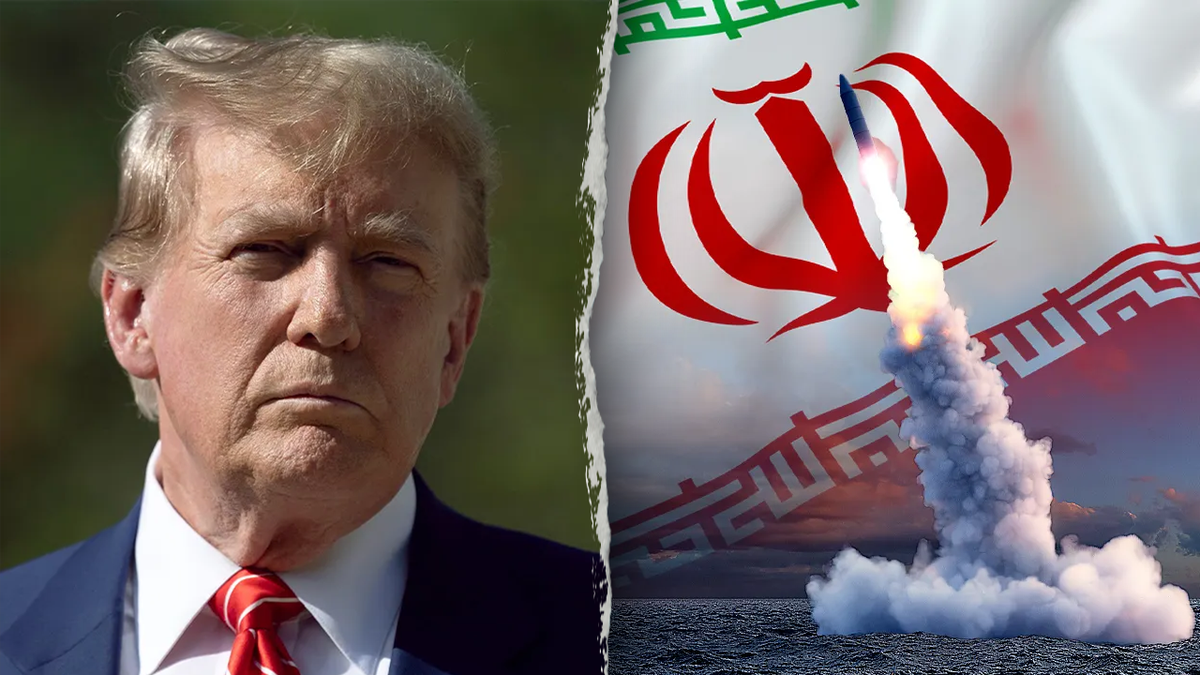
Despite these hostilities, there have been conflicting signals regarding a resolution. On April 6, 2026, President Trump addressed the media from the White House, claiming that a ceasefire and peace plan with Tehran had recently been agreed upon. However, the stability of such an agreement is questioned by ongoing accusations of foreign interference.
Allegations of Foreign Interference
The conflict has further intensified following admissions from the White House regarding internal Iranian unrest. President Trump stated that the United States provided weapons to Kurdish groups and protesters during the anti-government demonstrations that took place in Iran throughout December and January.
This admission provided Tehran with significant leverage, supporting the Iranian government’s long-standing claim that the protests were not spontaneous but were fueled by external support. The tension peaked further when Iran reported the execution of a man on the morning of April 6, 2026, who had been convicted of ties to the U.S. And Israel. These intersecting military, digital, and political maneuvers suggest a deepening crisis that could influence future diplomatic stability in the region.
