
JAKARTA – PT Jetour Sales Indonesia, in collaboration with the Ministry of Transportation and the National Committee on Transportation Safety (KNKT), has released the findings of its investigation into a traffic incident involving a Jetour T2 vehicle on the Jagorawi Toll Road.
The investigation was conducted thoroughly, objectively, and based on technical data, reflecting Jetour’s commitment to consumer safety. The findings come as the automotive market closely watches safety standards and manufacturer responses to incidents.
The investigation’s audience was led by Yusuf Nugroho, Director of Road Transportation Facilities and Safety at the Indonesian Ministry of Transportation, and included representatives from various stakeholders.
Read also: List of Indonesia’s 10 Best-Selling Cars in January 2026: There Are Captivating Changes
Also in attendance were the Chairman of the National Committee on Transportation Safety, the Head of the Motor Vehicle Type Testing Subdivision, the Chairman of the Motor Vehicle Type Certification Team, representatives from the Bekasi Motor Vehicle Roadworthiness Testing and Certification Center, and PT Jetour Sales Indonesia.
“We appreciate PT Jetour Sales Indonesia’s quick response in investigating the incident,” said Yusuf in an official statement on Friday, February 13, 2026. “The purpose of this clarification is to obtain an explanation regarding the chronology and results of the investigation of the Jetour vehicle incident, focusing on the vehicle’s technical specifications, safety systems, and mechanisms for protecting against the risk of fire.”
Read also: List of 5 Electric Cars Under IDR 100 Million Suitable for Urban Areas
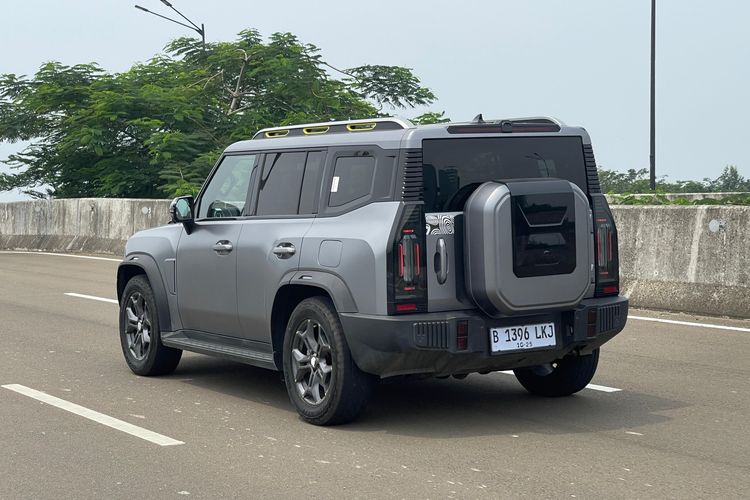 A car suspected of being a Jetour T2 was captured by Kompas.com’s camera in PIK 2
According to the investigation presented at the clarification meeting, the vehicle’s safety systems functioned as designed and met established standards. The airbags deployed fully during the impact, protecting passenger safety. The vehicle’s structure remained stable, did not roll over, and the doors could still be opened normally despite the severe impact.
This demonstrates that the integrity of the structure and the function of the vehicle’s safety features operated as intended and met applicable safety regulations in Indonesia and global standards.
Read also: Most Expensive Motorcycle at IIMS 2026, Price of IDR 2.6 Billion Off The Road
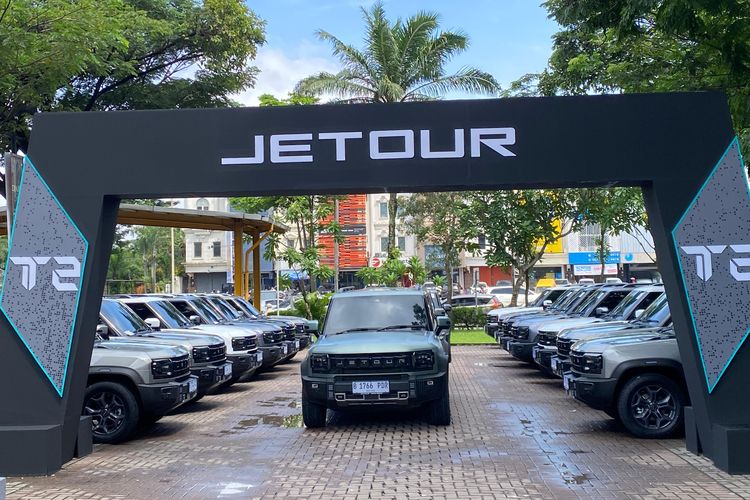 Delivery of a Jetour T2 unit
Technical analysis also revealed that the incident was a side impact, not a rear-end collision. The extreme impact caused severe damage to the left front and rear wheels. The resulting friction between the vehicle’s undercarriage and the asphalt surface then triggered a fire, leading to the vehicle being engulfed in flames.
Technically, the Jetour T2 has met various international safety standards, including ASEAN NCAP, ECE R153, ECE R34, and other regulations used as safety benchmarks for vehicles.
Read also: What’s the News on the Honda e:N1 in Indonesia?
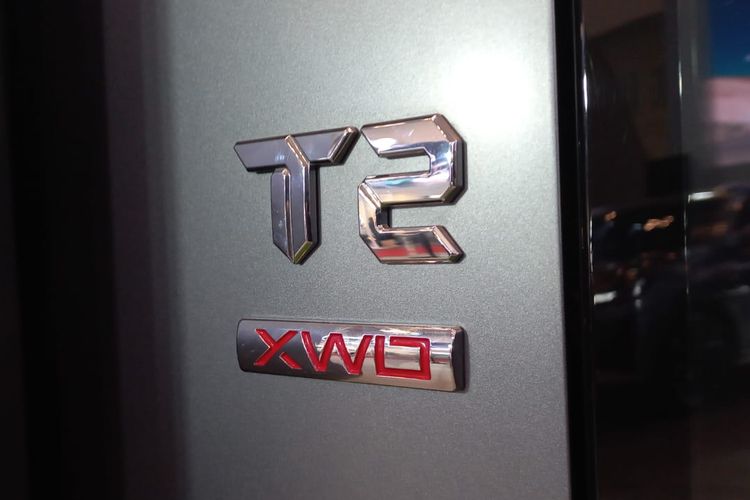 Jetour T2 XWD
These standards ensure that the product meets all safety specifications and regulations, both in domestic and global markets.
Peter Zhang, President Director of PT Jetour Sales Indonesia, stated that consumer safety has been the company’s top priority since the incident began. “From the beginning, we have been committed to technically reviewing this incident openly and based on facts. The investigation results show that the vehicle’s safety systems functioned according to applicable standards,” Zhang said on the same occasion.
Read also: Honda Scooter Discounts at IIMS 2026 Reach IDR 1.8 Million
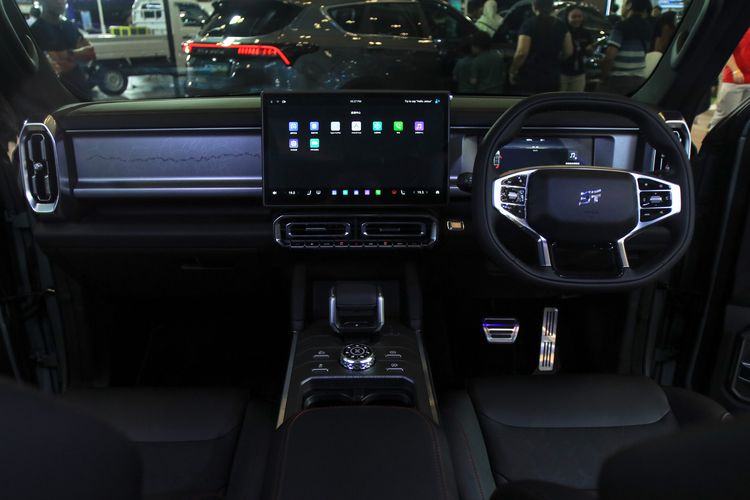 Interior view of the Jetour T2
 “Consumer safety is our top priority, and we will continue to ensure that every Jetour product meets the highest quality and regulatory standards,” he added.
Through the results of this investigation, PT Jetour Sales Indonesia reaffirms its commitment to complying with all applicable safety regulations in Indonesia. The company is also continuously evaluating its products and maintaining transparent communication with the public to ensure maximum protection for consumers.
