
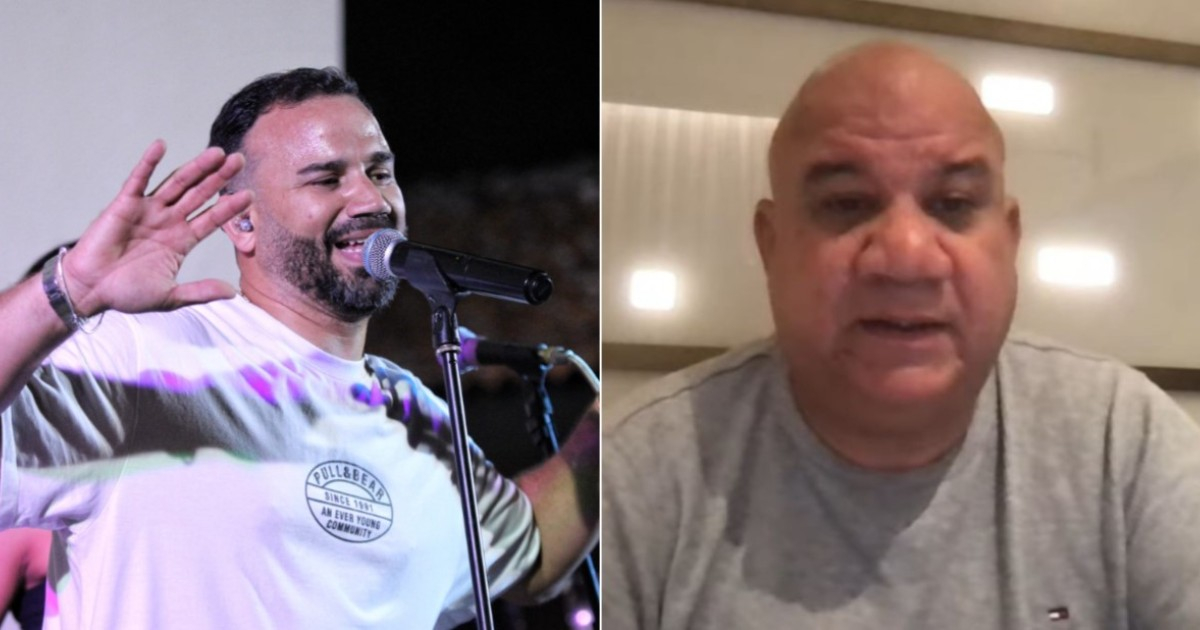
Controversy Erupts in Santiago de Cuba Following Fatal Accident Linked to Musician JG Almeida
A fatal traffic collision in Santiago de Cuba has ignited a heated public debate over legal accountability and political privilege after the death of a local man allegedly struck by a vehicle linked to musician Juan Guillermo Almeida, known as “JG.”
The incident occurred in the early hours of May 1, 2026, at the intersection of 2nd and Escario streets in the Santa Bárbara neighborhood. The location is known locally as “the corner of death.” According to reports, the victim, Agustín Maceo Perdomo—affectionately known as “Pacolo”—was traveling on a motor scooter when he was violently struck. The death has since sparked a growing controversy as accusations surface regarding the driver’s identity.
Perdomo was admitted to the Hospital Provincial Saturnino Lora, where he initially claimed he had simply fallen. However, his condition deteriorated rapidly; he later suffered convulsions and became incoherent, leading to a diagnosis of a cerebral hemorrhage. Perdomo passed away on the night of Monday, May 5, 2026, leaving behind a young wife and a small daughter. The victim was allegedly struck by the musician, a claim that has drawn significant attention to the case.
In the wake of the tragedy, Juan Guillermo Almeida broke his silence, stating, “I will assume [responsibility] as a man,” according to local reports.
However, the case has taken on a political dimension. Juan Juan Almeida García, a Cuban activist and opponent currently in Europe, spoke out about the incident, claiming that his brother, Juan Guillermo, is a “privileged of the Cuban regime” and possesses “the protection of the Castros.” Almeida’s public statements suggest that the driver’s connections may influence the legal outcome.
The incident has highlighted deep-seated frustrations regarding the Cuban justice system and the perceived immunity of those with government ties. Independent journalist Yosmany Mayeta Labrada, who confirmed the death, emphasized the human cost of the tragedy, writing: “We see not about surnames. It is not about power. It is about a lost life. And no life should be worth less than a surname.”
While some initial versions remained unconfirmed, the public outcry and the admissions from those involved have turned the accident into a symbol of the struggle for equality before the law in Cuba.
