

Obesity Leaves Lasting ‘Memory’ in Immune System, Study Finds—Even After Weight Loss
New research reveals that obesity may permanently alter the body’s immune response, leaving individuals vulnerable to obesity-related diseases even a decade after shedding excess weight. The findings, published in EMBO Reports, suggest that the immune system retains a molecular “memory” of past obesity, continuing to function as if the body were still carrying extra pounds.
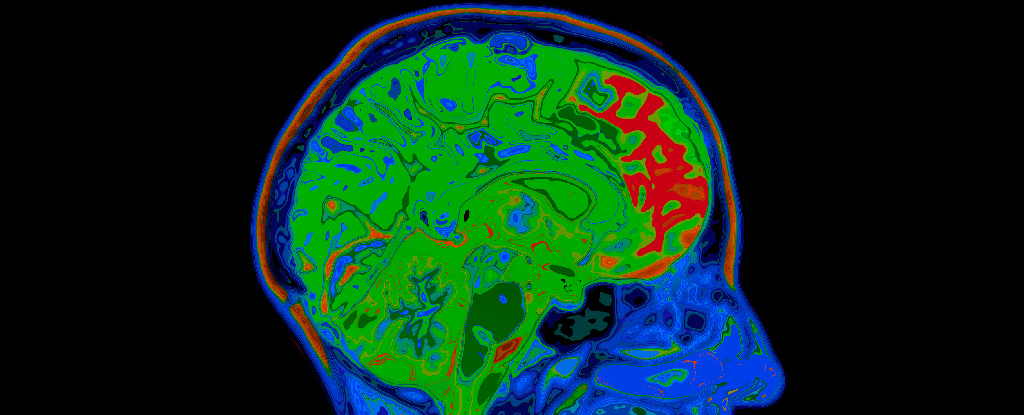
Scientists from the University of Birmingham and Queen Mary University of London discovered that obesity triggers long-term epigenetic changes in immune cells—specifically T helper cells—which persist years after weight loss. These changes, driven by a process called DNA methylation, create lasting “marks” on the cells that influence how they behave, even when a person reaches a healthy weight.
Immune System Dysfunction Persists Long After Weight Loss
The study highlights a troubling consequence of these epigenetic modifications: the immune system’s ability to perform critical functions—such as clearing cellular waste and regulating immune aging—becomes impaired. Individuals who have lost weight may still face elevated risks for conditions like diabetes, cardiovascular disease, and certain cancers, which are commonly associated with obesity.
“Our findings show that obesity is linked to long-lasting epigenetic changes that affect how immune cells behave,” said Belinda Nedjai, lead author of the study and a researcher at Queen Mary University of London’s Wolfson Institute of Population Health. “This suggests the immune system keeps a molecular record of past metabolic exposures, which could have significant implications for long-term disease risk and recovery.”
Why This Matters for Public Health
The research underscores the far-reaching impact of obesity beyond weight alone. While losing weight is widely encouraged for improving metabolic health, the study suggests that some biological damage may be irreversible—or at least, long-lasting. This could have implications for how doctors approach treatment for formerly obese patients, particularly in managing chronic inflammation and preventing secondary health complications.

Obesity is already recognized as a major public health challenge, linked to a range of serious conditions. The new findings add another layer of complexity, suggesting that the immune system’s response to obesity may be more persistent than previously understood. For individuals who have struggled with weight loss, the study offers a sobering reminder: the effects of obesity may linger long after the scale shows progress.
A Call for Further Research
While the study provides critical insights, researchers emphasize that more work is needed to fully understand the mechanisms behind these immune changes. Future studies could explore whether targeted therapies or lifestyle interventions might support “reset” the immune system’s memory of obesity, potentially reducing long-term health risks.
For now, the findings serve as a stark warning: obesity’s impact on the body may be deeper and more enduring than once thought, reinforcing the importance of prevention and early intervention in addressing this global health crisis.
