
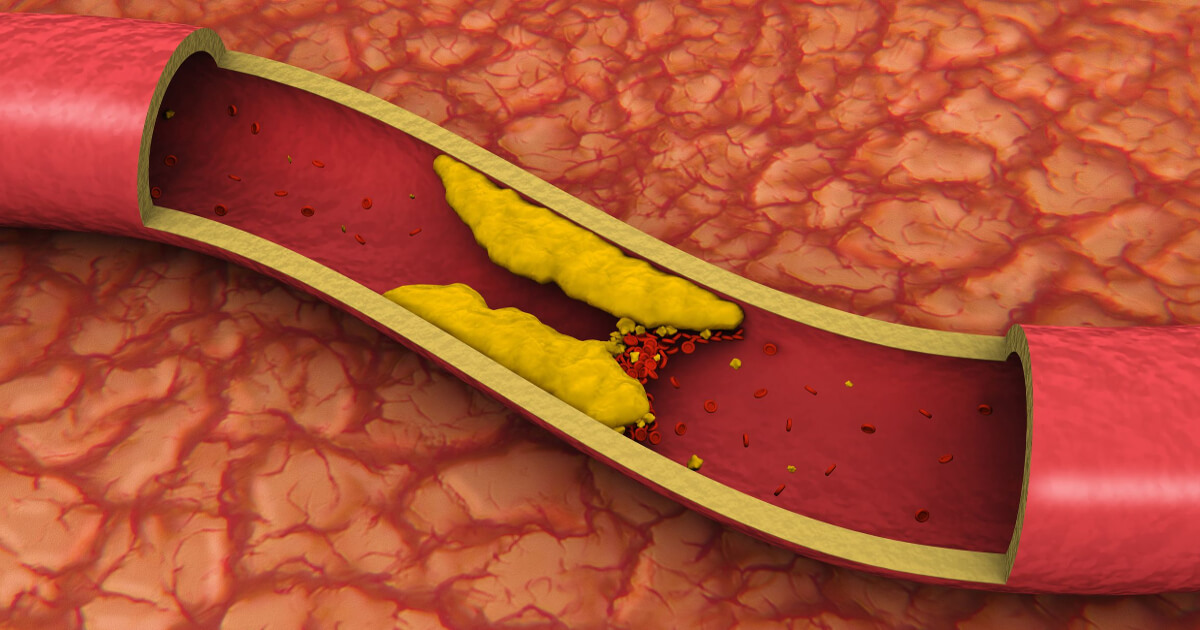
A new study presented at the American Heart Association Scientific Sessions 2025 reveals a concerning gap in preventative care for young adults with high cholesterol. Researchers found that less than half of individuals aged 18-39 with very high LDL (“bad”) cholesterol levels initiate statin treatment within five years of diagnosis, despite clinical guidelines recommending it to prevent future cardiovascular events. The findings, based on data from over 771,000 Kaiser permanente Southern California health system members, underscore the need for improved screening and intervention strategies to address rising rates of early heart disease.
Less than half of young adults with very high levels of LDL cholesterol (“bad cholesterol”) begin statin treatment within the first five years of initial diagnosis, according to a new study presented at the American Heart Association Scientific Sessions 2025. This finding highlights a significant gap in preventative care for a population at increasing risk of early heart disease.
According to the 2018 ACC/AHA guidelines, treatment with statins is recommended for individuals with LDL-C levels exceeding 190 mg/dL to prevent atherosclerotic cardiovascular disease (ASCVD). The study’s results underscore important shortcomings in cholesterol management among young adults, particularly those with a heightened risk of premature cardiovascular disease.
Citește și: #AHA18. Ghidul de management al colesterolului în boala cardiovasculară. Care sunt condițiile de inițiere a tratamentului?
Researchers analyzed data from 771,681 members of the Kaiser Permanente Southern California health system, aged 18 to 39. All participants had initially elevated LDL cholesterol levels between 2008 and 2020. Participants were categorized based on their cholesterol levels and estimated long-term risk of developing cardiovascular disease. The research team tracked whether participants underwent further testing and initiated statin treatment after one, two, and five years.
Among those with LDL-C levels of 190 mg/dL or higher, only 28.4% started treatment within the first year, and 45.7% did so within five years. For individuals with LDL-C levels between 160-189 mg/dL and increased cardiovascular risk, similar proportions were observed: 25.3% in the first year and 46.4% after five years. These findings suggest a critical need for improved early intervention strategies.
The data indicates that early adulthood is a crucial period for cardiovascular disease prevention, yet this stage of life is often overlooked in routine medical practice. Early detection and management of high cholesterol can significantly reduce the risk of heart attack and stroke later in life.
Citește și: Inițierea precoce a terapiei cu statine în doze mari la pacienții cu risc cardiovascular crescut: dovezi clinice și implicații pentru practica medicală
The research does have several important limitations. It did not assess whether individuals who received statin prescriptions consistently adhered to their treatment plans, which could influence long-term outcomes. Additionally, the study did not explore the reasons why statin treatment was not initiated or follow-up testing was not performed, factors that may reflect barriers within the healthcare system for both patients and physicians. Finally, because the study was conducted within an integrated, insured healthcare system, the results may not fully represent the experiences of uninsured individuals or those with limited access to medical care.
These results emphasize the need for more targeted interventions for young adults, including screening programs, education about cardiovascular risk, and strategies to improve treatment adherence. Early identification of very high cholesterol is only the first step. Without treatment initiation and ongoing monitoring, the potential preventative benefits are limited. Strengthening collaboration between physicians, patients, and healthcare systems could play a decisive role in reducing the burden of premature cardiovascular disease.
Citește și:
Material redactat cu ajutorul AI, verificat și editat de echipa Raportul de Gardă, formată din specialiști în domeniul medical.
