
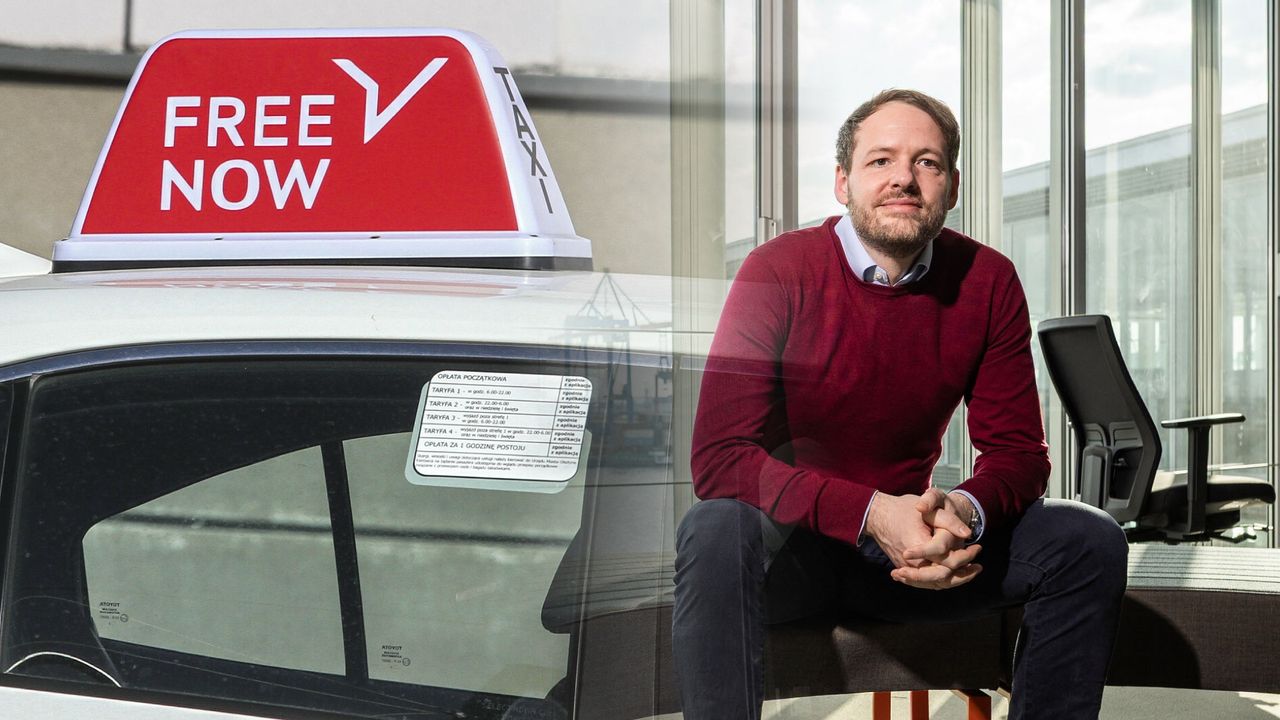
Lyft‘s acquisition of European ride-hailing platform Freenow signals a meaningful consolidation play in the increasingly competitive transportation sector. The deal, announced today, aims to create a more unified global presence for both companies and leverage Freenow’s established network in Europe alongside Lyft’s North American dominance. According to Freenow CEO Thomas Zimmermann, the move is a natural progression, promising greater integration and a streamlined experience for riders across continents.
Lyft has acquired Freenow, a move that could reshape the ride-hailing landscape in Europe and beyond. The acquisition signals a strategic push for consolidation in a competitive market, as both companies aim to leverage each other’s strengths and expand their global reach.
Thomas Zimmermann, CEO of Freenow by Lyft, described the deal as a “very successful acquisition,” emphasizing the shared understanding of the business between the two companies. “We’ve gained an owner who understands our business, as they run it in the United States,” he said. “We can learn a lot from them, as they operate on a much larger scale. They also learn from us, because their business is focused on ride-sharing, not traditional taxis – Lyft is just starting in that area, for example, in St. Louis.”
Zimmermann highlighted the alignment in business approaches and regulatory compliance, as well as a shared vision for delivering safety, reliability, and convenience to customers. “This isn’t just about new shareholders,” he explained. “We are part of a global company, and integration will continue. I see strong arguments for having one global brand, especially since there’s no conflict in values. Integration is a matter of time.”
Chinese Cars Spy? Expert Comments
The long-term goal is seamless integration, allowing passengers to book a Lyft in Warsaw and then connect to a Lyft ride at an airport in the U.S.
According to Zimmermann, the integration will unfold in stages. Currently, Freenow customers traveling to the United States are encouraged to download the Lyft app, and vice versa. The next step, planned for later this year, is to enable Lyft users in Europe to book rides with Freenow drivers through the American app. “Ultimately, we aim for a single platform that allows users to book a ride regardless of their destination,” he stated.

Competition among Freenow, Uber, and Bolt remains a key dynamic in the market. While taxi fares aren’t always higher, pricing is often determined by algorithms, leading to unpredictable costs for consumers.
Zimmermann emphasized the benefits of competition, stating that “it’s good for the market – consumers never benefit from a monopoly, and innovation stagnates.” He noted that the competitive landscape varies by country, with some regions maintaining a clearer distinction between app-based services and regulated taxis.
Freenow advocates for a level playing field and sustainable pricing practices. “You can’t constantly lose money by lowering prices just to gain market share,” Zimmermann argued. “Every ride has a cost – driver payment, fuel or electricity, insurance, and vehicle rental. There’s a certain threshold.”
Zimmermann believes the market is maturing, leading to price convergence with traditional taxis. He also pointed to the role of algorithms in adjusting prices during peak demand to incentivize drivers. “All of this reflects the increasing maturity of the European market,” he said.
The acquisition is expected to drive consolidation within the industry, with larger players poised to dominate. However, Zimmermann also believes there’s room for diverse partnerships to thrive.
“Consolidation will continue, especially among platforms like ours, because economies of scale are crucial, and significant investment is needed in technology, planning, and analysis to deliver the best product for users,” Zimmermann said. “Smaller players will likely either fail or be acquired by larger companies.”
However, he added that the future isn’t solely about platform consolidation. “When it comes to drivers and fleet partners, the answer is less clear. In Poland, we have many large fleet partners who benefit from economies of scale by opening their own automotive workshops. In other markets, there are many partners with just two to five vehicles – and they also succeed. Partners will survive by collaborating with platforms to generate demand.”
Smaller taxi companies operating entirely without platforms may struggle, as the convenience of app-based services is likely to prevail.
The biggest regulatory hurdle for Freenow currently is achieving consistent treatment of different transportation services. “We want to avoid different services being treated completely differently – where one has heavily regulated prices and another has none,” Zimmermann said. “Where one has obligations to customers and accountability, and the other doesn’t. We need a level playing field and consistent quality.”
Zimmermann also called for modernization of taxi regulations, many of which predate the widespread use of ride-hailing apps. He highlighted the benefit of knowing the fare upfront, a feature particularly valued by consumers in Poland.
“Services and their regulations must be adapted to the current digital reality,” he said.
Poland’s Unique Position
Poland stands out among European markets for its higher adoption rate of online ride-booking. “While it’s not yet close to 100%, it’s high,” Zimmermann noted. “We see this openness to technology across different age groups of Polish citizens.”
He added that Freenow is helping many taxi companies in Poland digitize their operations by providing dispatch software. “In terms of digitalization, Poland truly stands out among other European markets.”
Looking ahead to 2026, Zimmermann outlined three key goals: solidifying Freenow’s leadership position in the European taxi market, drawing initial conclusions from pilot programs for autonomous vehicles, and accelerating the shift from offline to online operations.
Marcin Walków, money.pl
