
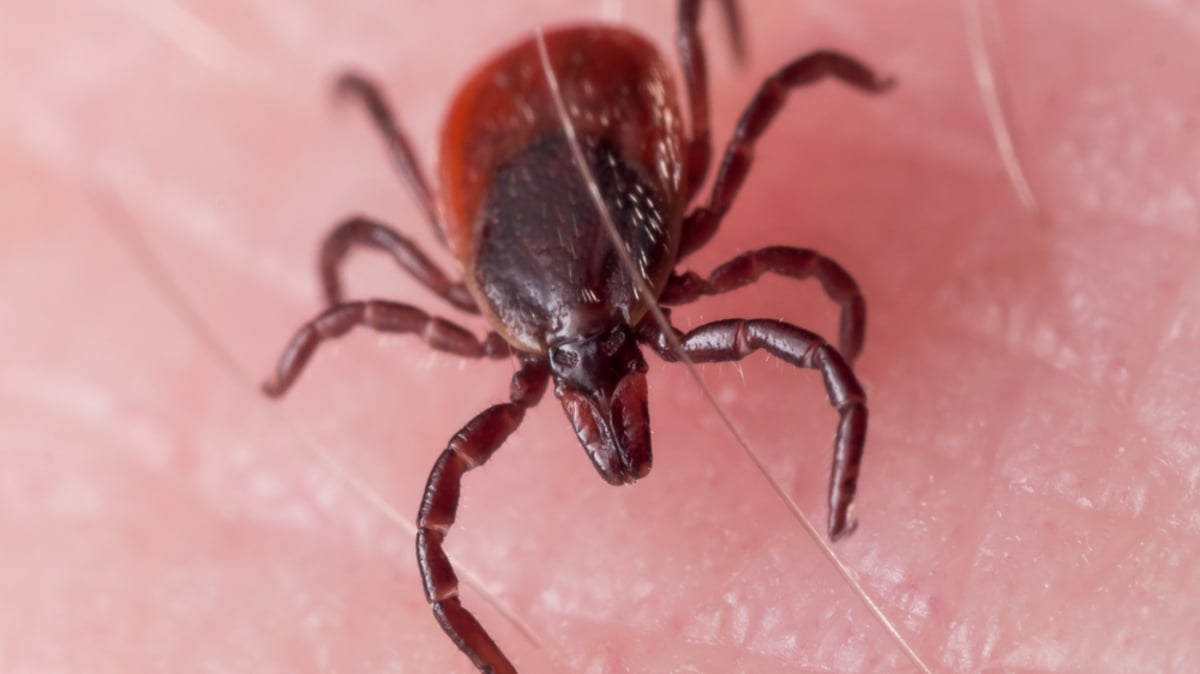
Rising Tick-Borne Illness Trends Prompt Urgent Public Health Warnings
Public health officials and medical specialists are sounding the alarm as tick-borne diseases show a concerning presence across diverse environments. From record-breaking infection rates in specific regions to long-term chronic suffering, the risks associated with tick bites are becoming increasingly apparent to health authorities.
In Switzerland, the situation has reached a critical point, with cases of tick-borne encephalitis hitting an all-time high. To combat this trend, specialists are reminding the public that this potentially grave illness can be prevented through a simple vaccine. This surge in cases underscores the necessity of proactive immunization strategies to reduce the burden of neurological complications associated with the virus.
While encephalitis is a primary concern in some regions, the long-term impact of Lyme disease, or borreliosis, continues to devastate lives. The severity of the condition is highlighted by the experience of a resident of Yvelines, who has struggled with the disease for 10 years. Reflecting on the impact of the illness, she stated that it ruined my adolescence
. Such testimonies illustrate that without early detection and effective management, tick-borne infections can lead to years of chronic health challenges.
Experts warn that the danger is not limited to remote wilderness areas. Ticks are now described as being everywhere
, inhabiting not only forests and mountains but also public gardens. Because these pests have permeated common urban and suburban green spaces, the risk of exposure is higher than many people realize.
To mitigate these risks, health professionals emphasize the importance of maintaining proper preventative reflexes against ticks. Understanding everything there is to know about borreliosis—from identification to immediate action—is critical for preventing the transition from a simple bite to a chronic condition.
The widespread nature of these pests, as noted in recent reports on tick prevention, suggests that public awareness must evolve. By combining vaccination where available with rigorous personal protection, individuals can significantly lower their risk of contracting these debilitating diseases.
The ongoing challenge of tick-borne illnesses underscores a broader public health need for continuous education and vigilance. As these vectors expand their reach into residential areas, the ability to recognize and respond to a tick bite remains the first line of defense in preventing long-term medical complications, such as those experienced by the patient in Yvelines.
