
Militant forces launched a sweeping offensive across Mali on Saturday, April 26, 2026, marking one of the largest coordinated attacks in the country since 2012, according to multiple reports.
The Group for Support of Islam and Muslims (JNIM), an al-Qaeda-linked alliance, joined forces with the Azawad Liberation Front (FLA), a coalition of Tuareg and Arab rebel groups, to target military positions from the outskirts of Bamako in the south to the northern city of Kidal.
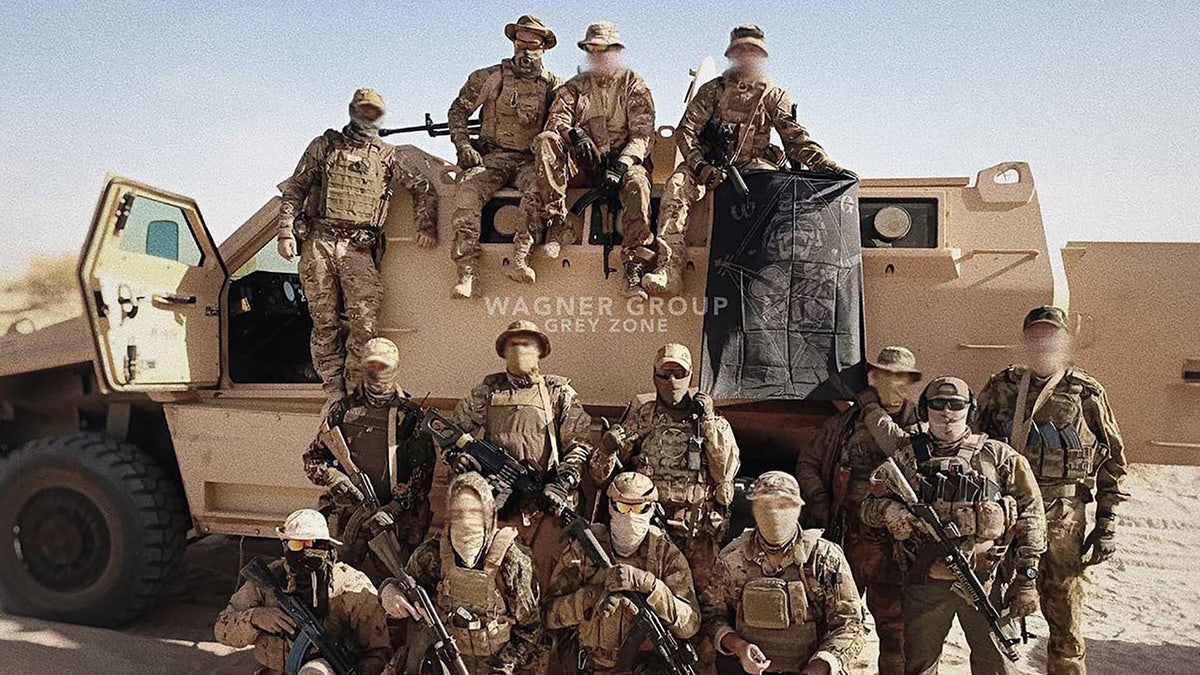
In the north, JNIM and FLA fighters quickly overran Kidal, while the city of Gao remains only partially under their control, with Malian troops and Russian mercenaries holding fortified positions in former United Nations installations. Unconfirmed reports on social media suggest ongoing negotiations between Russian forces and rebel groups regarding a potential withdrawal from Kidal, though their validity could not be verified as of Sunday.
In the south and central regions, JNIM acted unilaterally, striking strategic locations including the Bamako suburb of Kati, which houses several government ministries and state institutions, as well as the capital’s international airport. The assault involved traditional ground attacks, suicide car bombs and kamikaze drones, which militants used as force multipliers to expand the reach and impact of their offensive.
The violence resulted in significant casualties among Mali’s leadership. Defense Minister Sadio Camara, the second-highest official in the ruling junta, was killed during an attack on his residence, a claim confirmed by multiple Malian and international sources. The European Union issued a strong condemnation of the killing, describing it as a grave escalation in the ongoing conflict.
JNIM claimed responsibility for seizing two key cities and destroying the defense minister’s home in a statement released following the attacks. Analysts described the operation as a major escalation in the years-long insurgency affecting Mali and neighboring Sahel states.
The renewed violence underscores the fragility of security across the Sahel, where jihadist groups, ethnic militias, foreign mercenaries, and state forces remain locked in a complex and evolving struggle for control. The scale and coordination of the latest assault have raised concerns about the potential for further destabilization in a region already grappling with humanitarian crises and political instability.
