
Beauty-Tech Evolution: AI Diagnostics and the Science of LED Therapy
The intersection of clinical dermatology and consumer electronics is redefining the modern beauty landscape. From the integration of artificial intelligence in professional salons to the proliferation of high-performance wearable hardware, the industry is shifting toward a data-driven approach to skincare and aesthetics.
One of the most significant shifts is occurring within professional beauty salons, where AI is now being leveraged for precise skin diagnostics and lash extensions. This integration of AI allows for a more personalized care experience, moving away from one-size-fits-all treatments toward customized protocols based on algorithmic analysis. The move highlights Big Tech’s continued influence in expanding the capabilities of personalized wellness.
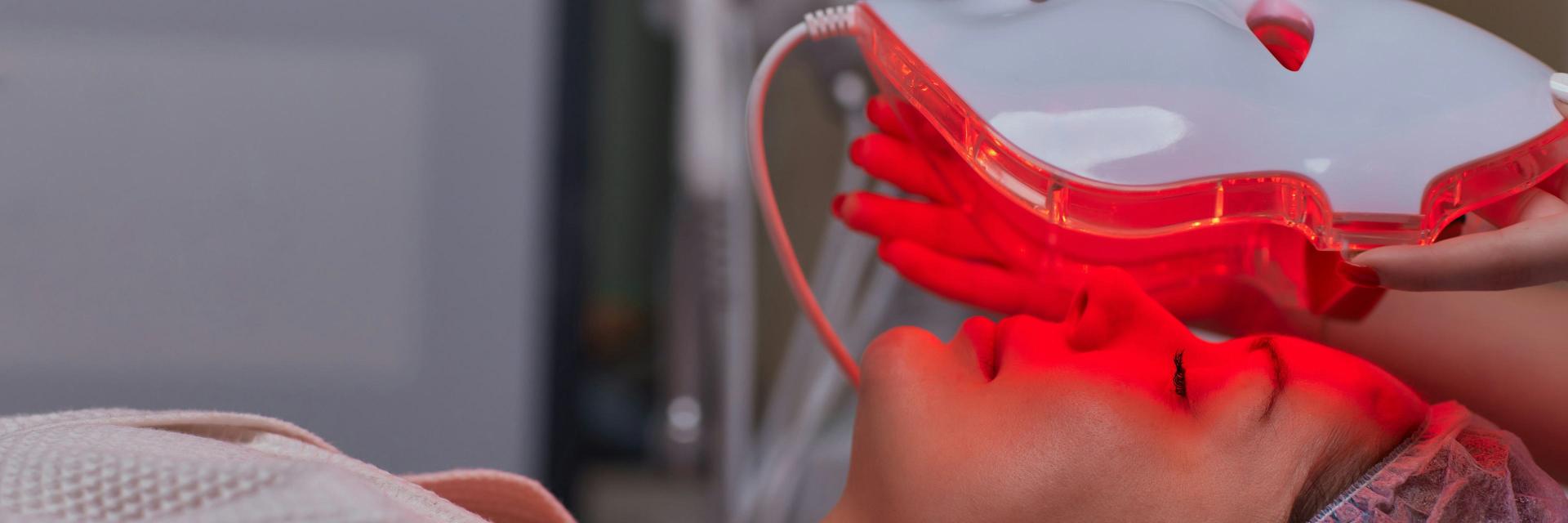
Parallel to the rise of AI, LED light therapy has transitioned from clinical settings to the consumer market, fueled largely by viral trends. Red light masks have become a beauty sensation on TikTok, promising rapid rejuvenation and anti-aging effects. However, this surge in popularity has led to increased scrutiny regarding whether these consumer-grade devices truly align with scientific evidence.
Dermatologists have weighed in on these claims, examining the efficacy of LED masks in treating signs of aging. While the technology offers a promise of rejuvenation, the gap between marketing claims and clinical results remains a point of professional debate.
Despite the skepticism surrounding some consumer products, new hardware is pushing the boundaries of what is possible in home-care devices. For instance, the Lucibel Ove, a French-engineered LED mask, has demonstrated record-breaking measurements in technical testing. This suggests a trend toward more rigorous engineering in beauty-tech, as companies strive to bridge the gap between professional-grade medical equipment and home-use devices.
The convergence of AI diagnostics and high-performance LED hardware signals a broader shift in the digital economy, where wellness is increasingly treated as a quantifiable science. As these technologies evolve, the focus is shifting from generic beauty trends toward verified, measurable results.
