
‘Toxic Mold Illness’ Spreads Online, Fueling Health Concerns and Disbelief
A growing number of celebrities, influencers, and individuals are attributing a wide range of mysterious symptoms to “toxic mold illness,” a condition not widely recognized by the medical establishment, sparking debate and concern online.
The phenomenon, fueled by social media platforms like TikTok – where #toxicmoldillness posts have garnered hundreds of millions of views – and online forums, centers around Chronic Inflammatory Response Syndrome (CIRS). While mold exposure is a known health hazard, particularly concerning in damp housing as tragically demonstrated by the 2022 death of toddler Awaab Ishak in Rochdale, England, the claim that mold causes CIRS remains scientifically contested. The British government’s guidance on mold exposure focuses on respiratory illness and irritation, not the neurological and systemic symptoms reported by CIRS sufferers. The American Academy of Allergy, Asthma and Immunology also questions the validity of urine-based testing often used to diagnose the condition.
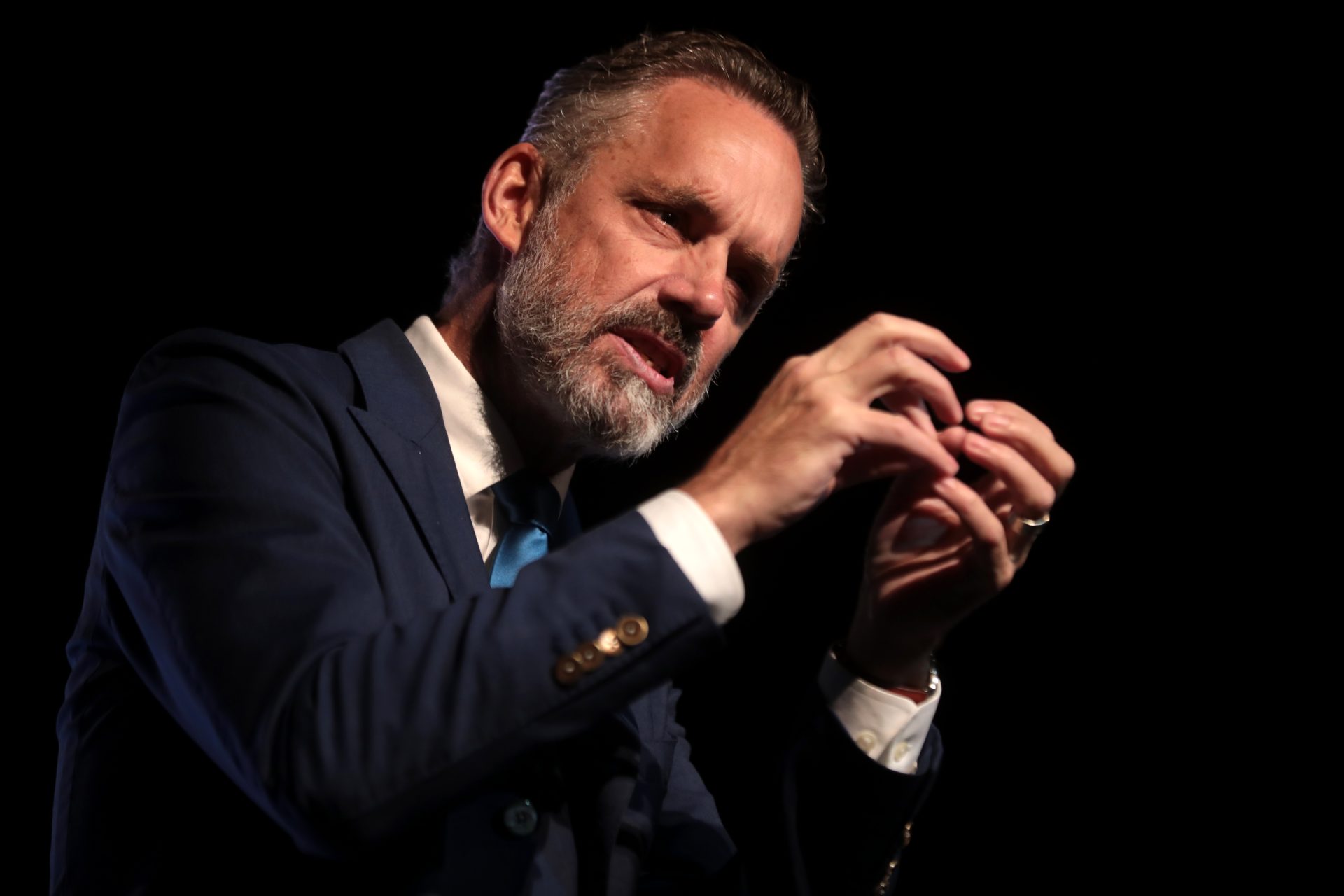
High-profile figures have publicly attributed health issues to mold exposure, including actress Tori Spelling, who has linked repeated urgent care visits with her children to “mould infections,” and Brandi Glanville of Real Housewives fame, who described a disfiguring health battle she blames on “black mold poisoning.” Even political figures like RFK Jr. have linked mold to conditions like autism, a claim unsupported by evidence. Ex-Love Island contestant Chris Williamson recently released a vlog detailing his health crisis, attributing it to “environmental mould” and documenting his pursuit of unconventional treatments in Mexico. Similarly, Jordan Peterson’s daughter, Mikhaila Peterson, announced her father was “taking time off of everything” due to CIRS after exposure to mold while cleaning his late father’s house, stating the mold was to blame for “cancelled shows, cancelled events, sporadic appearance of being run down and general weepiness.” This mirrors a broader trend of individuals seeking alternative explanations for chronic health problems, as explored in recent reporting by The Cut.
Experts caution that while genuine illness is likely present in many who identify as “mouldies,” the attribution to mold may be inaccurate, and the pursuit of unproven treatments can be detrimental. The rise of CIRS reflects a broader distrust of scientific institutions and a susceptibility to misinformation, potentially hindering effective healthcare. Health officials continue to emphasize the importance of addressing visible mold growth in homes and seeking appropriate medical evaluation for unexplained symptoms.
The debate surrounding “toxic mold illness” is expected to continue as more individuals share their experiences online and seek answers to complex health challenges.
