
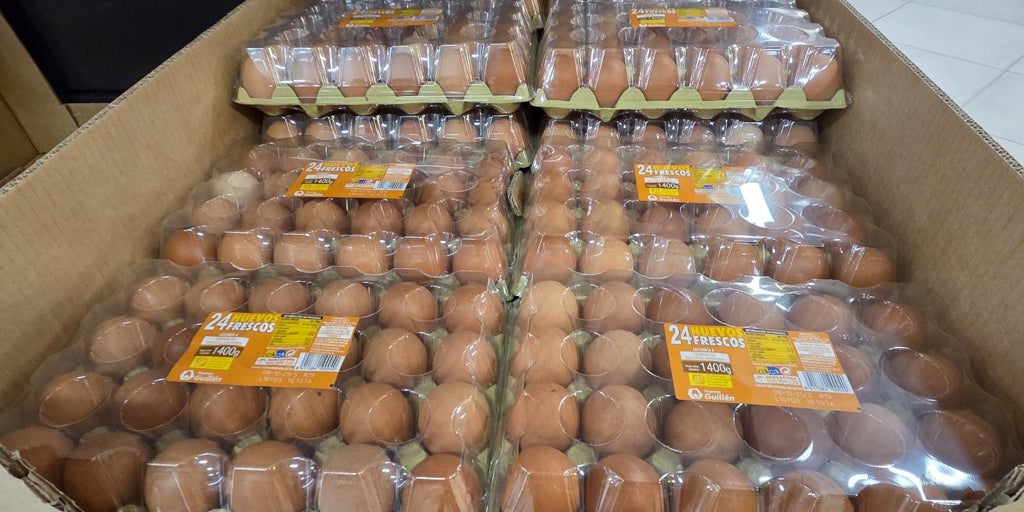
Spanish supermarket chain Mercadona is navigating a temporary setback in its commitment to sourcing 100% cage-free eggs due to the ongoing avian flu outbreak across Europe. While currently 65% of the eggs sold by the retailer come from hens raised in cage-free environments, health measures implemented to curb the spread of the virus have required the temporary confinement of laying hens.Mercadona has invested heavily – over 200 million euros with a projected total exceeding 400 million euros – in transitioning its supply chain to meet its animal welfare goals, a move reflecting increasing consumer and regulatory expectations.
Mercadona is reaffirming its commitment to sourcing eggs exclusively from cage-free hens, though a recent avian flu outbreak has temporarily impacted supply. Currently, 65% of the fresh eggs sold in the Spanish supermarket chain’s stores come from hens raised without cages, either in free-range or barn environments.
The temporary reduction in the percentage of cage-free eggs is due to the ongoing avian flu outbreak affecting Spain and the wider European region, and subsequent health measures requiring the confinement of hens, according to the company. These measures are designed to protect animal health and prevent the spread of the virus.
“The situation is temporary and we will return to normal levels as soon as possible,” Mercadona stated. The company initiated a transformation of its supplier network years ago with the goal of sourcing 100% of its eggs from cage-free hens.
Mercadona’s suppliers have already invested over 200 million euros in adapting their facilities and processes to cage-free egg production systems. That figure is projected to exceed 400 million euros once the full transformation is complete. This investment reflects a broader industry trend toward improved animal welfare standards, driven by consumer demand and regulatory pressures.
Examples of these investments include expansions and the opening of new cage-free farms by suppliers like Huevos Guillén in Utiel (Valencia) – housing 250,000 hens – and in Gáldar (Gran Canaria) with 100,000 hens. Additional facilities are located in Bullas (Murcia) and Abárzuza in Navarra, with a combined capacity of 150,000 hens. Avícola Barco has also increased its capacity with 320,000 hens in a free-range system. Suppliers are also converting combined systems to 100% cage-free operations.
Animal Welfare Certification
All of Mercadona’s national fresh meat, egg, and milk suppliers are required to hold Animal Welfare certifications from internationally recognized standards, and must also meet the validity requirements established by the retailer. The company emphasizes that this certification must be current at all times.
“Animals should not suffer from hunger or thirst, always having access to drinking water and a diet appropriate for their good health and strength. They should always be in a suitable environment and comfortable accommodation, with rest areas and shelters, shade, and good air quality,” reads Mercadona’s statement outlining its commitment to animal welfare.
