
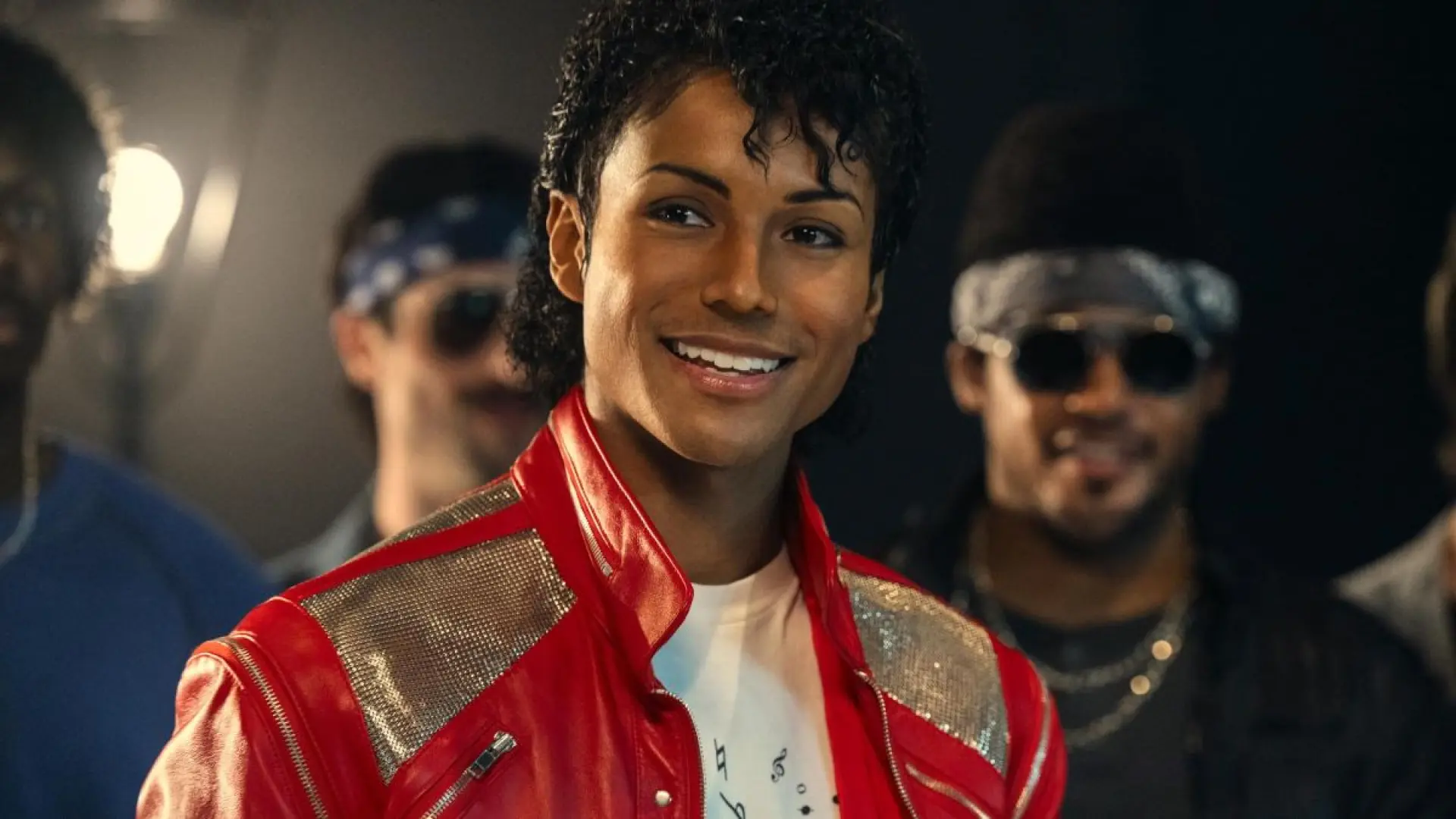
Paris Jackson has once again voiced her frustration with Michael, the new biopic about her father, calling the film riddled with “many inaccuracies and many lies.” The 27-year-old took to social media on Tuesday, April 22, 2026, to clarify her stance on the project, which has sparked intense debate since its release.
In a statement shared on Instagram, Jackson didn’t mince words: “There are many inaccuracies and many lies in this movie.” She had previously criticized the film in September 2025, calling it “sugar-coated” and accusing Hollywood biopics of often containing “full-blown lies.” At the time, she as well denied having any involvement in the project, stating she had “zero percent involvement” despite actor Colman Domingo’s claims that she and her brother Prince supported the film.
The controversy surrounding Michael has only grown since its April 24, 2026, theatrical release. Directed by Antoine Fuqua and starring Michael Jackson’s nephew Jaafar Jackson in the title role, the film has develop into the highest-grossing musical biopic in history, surpassing Bohemian Rhapsody with a record-breaking opening weekend. Yet, its commercial success has been overshadowed by criticism from both reviewers and the Jackson family.
Critics have largely panned the film for its glossy, sanitized portrayal of the pop icon’s life. Reviews describe Michael as “luxurious but empty,” with many noting that it sidesteps the more controversial aspects of Jackson’s legacy. The New York Times called it a “biographical film that ignores Michael Jackson’s problems,” while 20 Minutos criticized its lack of depth, arguing that the movie prioritizes spectacle over substance.
The film’s narrative choices have been a particular point of contention. Originally, director Antoine Fuqua intended to open the movie with the 1993 police raid on Neverland Ranch, a moment that would have directly addressed the child molestation allegations that plagued Jackson’s later years. However, due to legal restrictions tied to a 1994 settlement, the Jackson estate— which collaborated on the production—could not authorize depictions of those events. The film concludes in 1988 with Jackson’s legendary Wembley Stadium performances during the Bad tour, effectively avoiding any mention of the scandals.
Producer Graham King defended the film’s approach at its Los Angeles premiere on April 20, 2026, telling The Hollywood Reporter, “Mike is a complicated person, people have complicated opinions, and that’s fine. We chose to tell the uplifting story of his triumph in the movie, and that’s what we did.”
Despite the backlash, Michael has resonated with audiences, particularly among Jackson’s most devoted fans. The film’s box office success underscores the enduring appeal of the King of Pop, even as it reignites conversations about how Hollywood handles the legacies of complex figures. For many, the movie’s avoidance of controversy feels like a missed opportunity—one that Paris Jackson, in her latest critique, suggests only reinforces a “fantasy” version of her father’s life.
The debate over Michael reflects a broader tension in biographical filmmaking: how to balance reverence for an artist’s achievements with an honest portrayal of their flaws. As the film continues to dominate the box office, it remains to be seen whether its approach will set a new standard for musical biopics—or simply fuel further calls for more nuanced storytelling.
