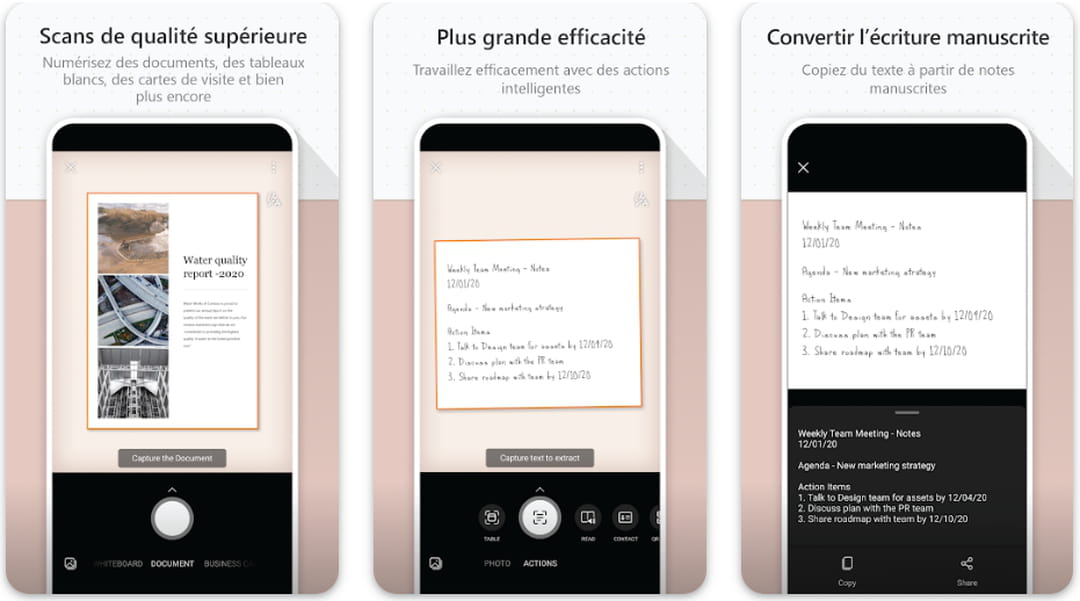
Microsoft is phasing out its popular mobile document scanning request, Microsoft Lens, after nearly a decade of service. The app, once known as Office Lens, allowed users to quickly digitize documents and business cards with their smartphones, boasting over 50 million downloads. While existing users will have time to access previously saved scans, Microsoft is encouraging a transition to scanning features within OneDrive and Microsoft 365 Copilot, signaling a shift towards cloud-based document management and a broader company refocus on core technologies like artificial intelligence.
Microsoft is phasing out its mobile document scanning application, Microsoft Lens, in the coming weeks. The decision impacts a popular tool used by millions to quickly digitize documents using their smartphones.
Microsoft had previously announced the end of life for the app, formerly known as Office Lens. The company confirmed that it will discontinue support for the application, which allows users to convert photos of printed or handwritten documents into digital files – including PDF, Word, PowerPoint, or Excel formats – and save them directly to OneNote or OneDrive. With over 50 million downloads from the Play Store and high ratings on both the Play Store and App Store, Microsoft Lens has proven to be a widely used and appreciated tool.
Microsoft Lens: What Alternatives Are Available to Users?
The sunsetting of Microsoft Lens is occurring in stages. As of January 9th, the application is no longer receiving software updates from Microsoft. It will be removed from the app stores on February 9th, and on March 9th, the app will no longer be able to scan new documents. However, users who have already installed the application will be able to access their existing scans through the “MyScans” section. Microsoft initially anticipated completing this process in December 2025, but the timeline has been adjusted.
Microsoft is directing users to utilize the scanning function within OneDrive, accessible through the “+” button and then the “Scan Photo” option. A key difference is that documents will now be stored exclusively in the cloud, rather than locally on the smartphone. Alternatively, users can leverage Microsoft 365 Copilot for document scanning, with files saved to OneDrive in the “MyCreations” section. However, Copilot does not replicate all of Lens’s features, such as direct saving to OneNote, Word, or PowerPoint, or the ability to scan business cards or read documents aloud. Microsoft has committed to adding new features and improving existing ones in the future.
Several other options remain available for mobile document scanning. These include Adobe Scan and the built-in scanning functionality within Google Drive. iOS users can also utilize the Notes app, and those seeking open-source solutions can explore OSS Document Scanner. The move reflects a broader trend within Microsoft to streamline its product offerings and focus on core technologies.
The discontinuation of Microsoft Lens is part of a larger pattern at Microsoft, which is working to consolidate its product portfolio and prioritize investments in areas like artificial intelligence. In 2024, the company discontinued Windows Paint 3D. Last year, Microsoft also announced the end of automatic password filling in Microsoft Authenticator, recommending users switch to Edge instead. Furthermore, users of Microsoft Publisher have been informed that the desktop publishing application will be removed from Microsoft 365 in October 2026.