
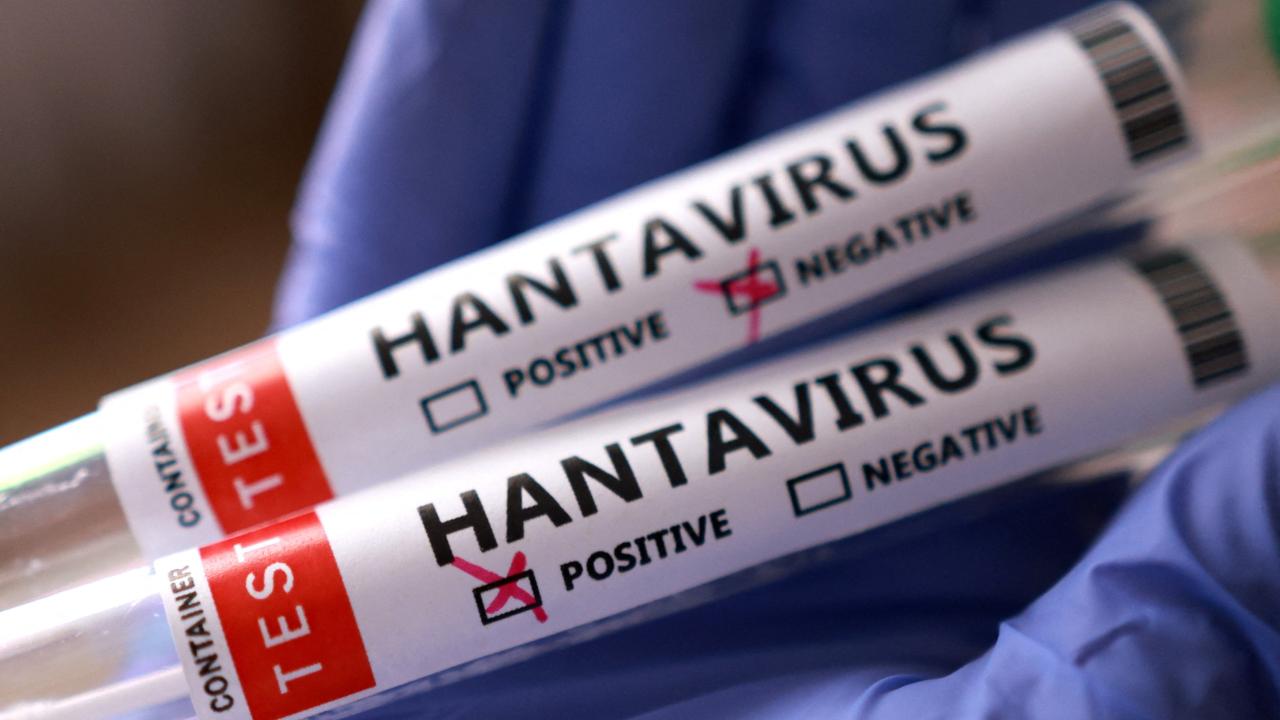
Turkey Reports No Hantavirus Cases Amid Global Health Monitoring and Vaccine Discussions
The Turkish Ministry of Health has issued a formal update regarding the status of Hantavirus, confirming that no positive cases of the virus have been detected within the country to date. This clarification comes as health authorities maintain vigilant surveillance to ensure public safety and prevent potential outbreaks.
The announcement provides critical reassurance to the public, as early detection and government transparency are essential components of managing zoonotic threats. According to the Turkish Ministry of Health’s statement and reports from officials, the country remains free of the virus, underscoring the importance of ongoing biosafety protocols.
To provide a deeper medical understanding of the threat, the KLİMİK Association has released an information note on Hantavirus. The guidelines detail the nature of the virus and its impact on human health, offering a clinical framework for healthcare providers to recognize and manage potential risks. Such resources are vital for ensuring that medical professionals can respond swiftly should the epidemiological situation change.
Parallel to these public health updates, discussions have emerged regarding the development of preventative measures. Specifically, claims have circulated suggesting that patent applications for an mRNA-based Hantavirus vaccine were filed simultaneously with the occurrence of outbreaks. However, these assertions have been scrutinized by fact-checkers at Teyit, who investigated the timing of the patent filings to address potential misinformation regarding the vaccine’s development timeline.
The intersection of medical innovation and public health concerns has also resonated in the financial sector. Market analysts have noted a recent increase in Moderna’s stock price, which appears to be influenced by the ongoing discourse surrounding mRNA technology and its application to emerging viral threats.
These developments highlight the complex relationship between government surveillance, scientific research, and public perception. By debunking misinformation and providing clear clinical data, health authorities aim to maintain a stable and informed public response to global health challenges.
