
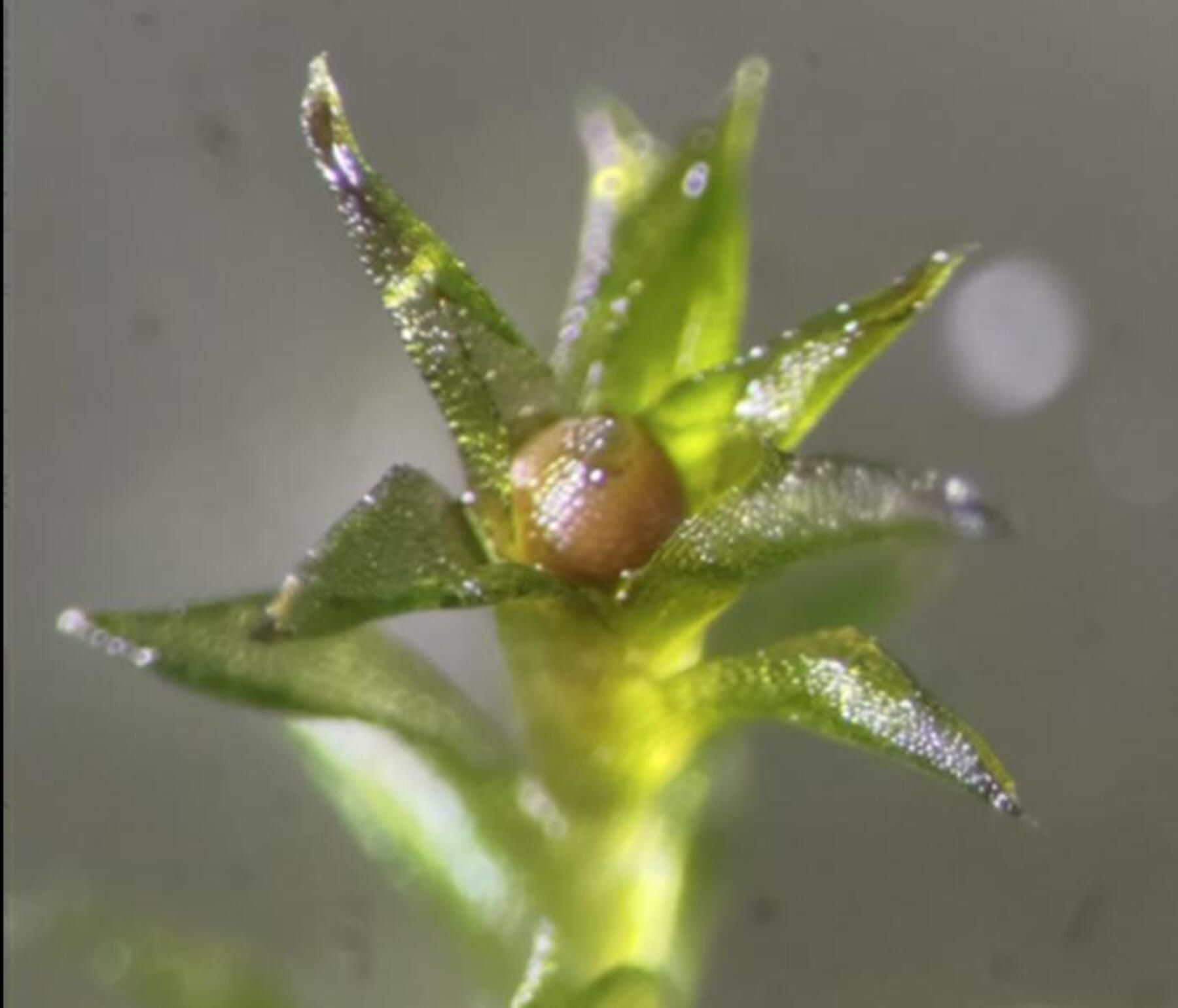
new research out of Japan demonstrates the surprising hardiness of a common plant in the most unforgiving environment imaginable: outer space. In a study published this month in the journal iScience, scientists report that moss spores sent to the international Space Station aboard a Cygnus NG-17 spacecraft survived nearly ten months of exposure to the vacuum, radiation, and temperature extremes beyond Earth’s atmosphere.The findings,which show over 80% of the moss spores survived the journey and nearly 90% germinated upon return,could have notable implications for the future of long-duration space travel and the search for life beyond our planet.
In a groundbreaking experiment, Japanese scientists have demonstrated the remarkable resilience of moss, with a significant percentage of spores surviving a nearly ten-month journey in the harsh environment of outer space. The research, published in the journal iScience, offers new insights into the limits of life and could have implications for future long-duration space missions and even astrobiology.
Researchers sent spores of the moss Physcomitrella patens aboard a spacecraft to test their ability to withstand the extreme conditions beyond the Earth’s atmosphere. “Most living organisms, including humans, cannot survive even a short time in the vacuum of space,” explained Tomomichi Fujita of Hokkaido University, the lead author of the study. “However, the moss spores maintained their viability after nine months of direct exposure.”
Fujita’s initial interest in the project stemmed from his work on plant evolution and development. He wondered if moss, known for its hardiness on Earth, could potentially endure the rigors of space. The findings underscore the potential for life to exist in unexpected environments.
Before launching the spores into space, the team subjected them to simulated cosmic conditions, including high levels of ultraviolet radiation, extreme temperature fluctuations, and a vacuum environment. These simulations revealed that the moss was particularly vulnerable to high temperatures and UV radiation, but the spores themselves exhibited approximately 1,000 times greater survival rates compared to other organisms.
Researchers determined that the protective structure surrounding each spore acted as a shield, mitigating the damaging effects of the space environment. This protective layer proved crucial to the spores’ survival.
On March 22, 2022, the moss spores were launched aboard the Cygnus NG-17 spacecraft and transported to the International Space Station (ISS). Astronauts then mounted the samples to the exterior of the ISS, exposing them directly to space for 283 days.
The samples were returned to Earth in January 2023 for analysis. The results were surprising, to say the least.
“We almost expected zero survival rates, but the opposite was true: the majority of the spores survived,” Fujita said. “We were extremely surprised by the extraordinary durability of these tiny plant cells.”
Over 80% of the spores survived the space voyage, and an impressive 89% were able to germinate back in the laboratory. Furthermore, only a 20% decrease in chlorophyll was observed in the spores, and this change didn’t appear to significantly impact their health. The study highlights the potential for utilizing biological materials in space exploration.
“This research demonstrates the astonishing resilience of life that originated on Earth,” Fujita concluded.
