
Mpox Cases Under Investigation in Bahia, Brazil
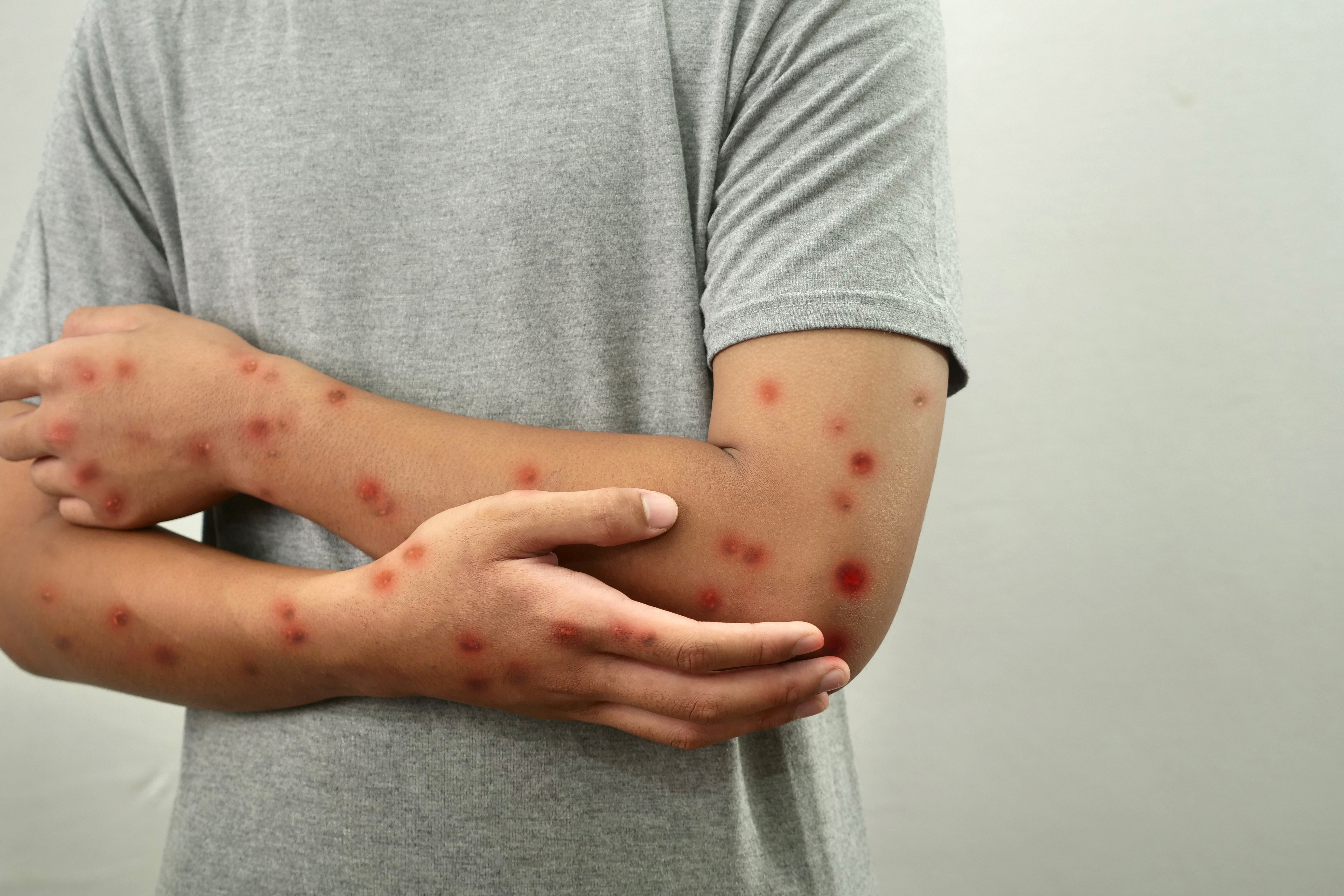
Health officials in the Brazilian state of Bahia are monitoring a suspected case of Mpox in the city of Irecê. The case, reported on Sunday, February 22, 2026, involves a patient who is currently in stable condition and isolating at home, following medical guidance. A sample has been sent to the state’s Central Laboratory (Lacen) for analysis, with results pending. This situation highlights the continued need for vigilance against Mpox, even as global case numbers fluctuate.
“We reinforce to the population the importance of paying attention to symptoms and preventive measures,” a statement from the Irecê Municipal Health Department reads. “The situation is being closely monitored by the Health Surveillance teams. New information will be officially disclosed through the city’s official channels, if necessary.”
Initially, the Bahia State Health Department (Sesab) reported two confirmed cases of Mpox on Thursday, February 19, 2026, which would have been the first cases in the state for the year. One patient was identified in Vitória da Conquista, and the other was a traveler from Osasco, São Paulo, who was visiting Salvador. However, the department later clarified that the case initially reported in Vitória da Conquista was, in fact, a case of varicella (chickenpox).
The patient in Vitória da Conquista, a woman between 30 and 39 years old residing in another municipality within the region, presented with vesicular skin lesions and scabs upon arrival at the General Hospital of Vitória da Conquista on February 5, 2026. She was isolated and responded well to treatment. Six other suspected cases initially reported in Bahia have since been ruled out.
“The Municipal Health Department reinforces that it continues to monitor the case and adopt all surveillance and control measures recommended by health protocols, in order to guarantee the safety of the population,” the department stated. No further information is currently available regarding the patient in Salvador, according to Sesab. In addition to the confirmed cases, Sesab reported that two other cases are currently under analysis, and three have been discarded.
