
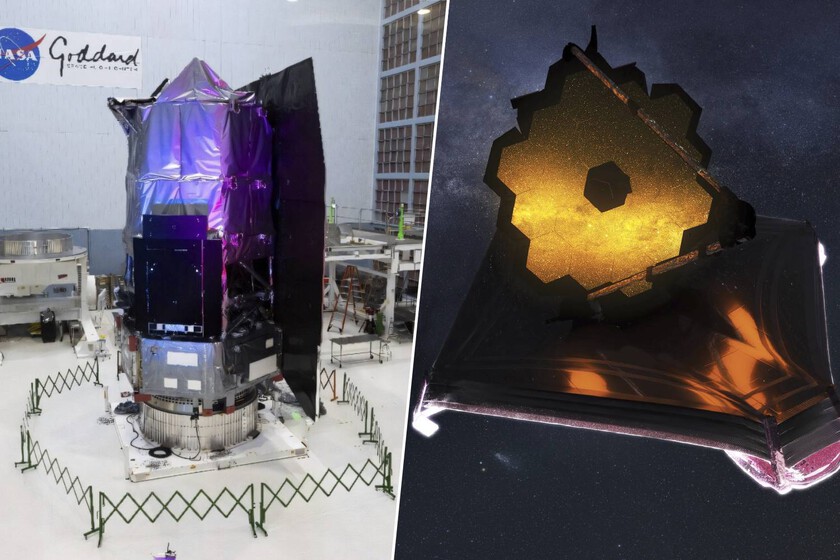
NASA has officially completed assembly of its next flagship space observatory, the Nancy Grace Roman Space Telescope, marking a major milestone in the agency’s quest to unravel the universe’s deepest mysteries. Engineers at NASA’s Goddard Space Flight Center in Greenbelt, Maryland, finalized the integration of the telescope’s core components on November 25, 2025, bringing the ambitious project one step closer to its scheduled launch in September 2026.
Revolutionizing Cosmic Exploration
The Roman Space Telescope, named in honor of NASA’s first chief astronomer—a trailblazer often called the “mother of Hubble”—is poised to redefine our understanding of the cosmos. With a field of view at least 100 times larger than the Hubble Space Telescope’s, Roman will survey the universe at unprecedented speeds, capturing light from a billion galaxies over its operational lifetime. Its advanced instruments will allow scientists to directly observe exoplanets, study planet-forming disks, and conduct a statistical census of planetary systems across the Milky Way.
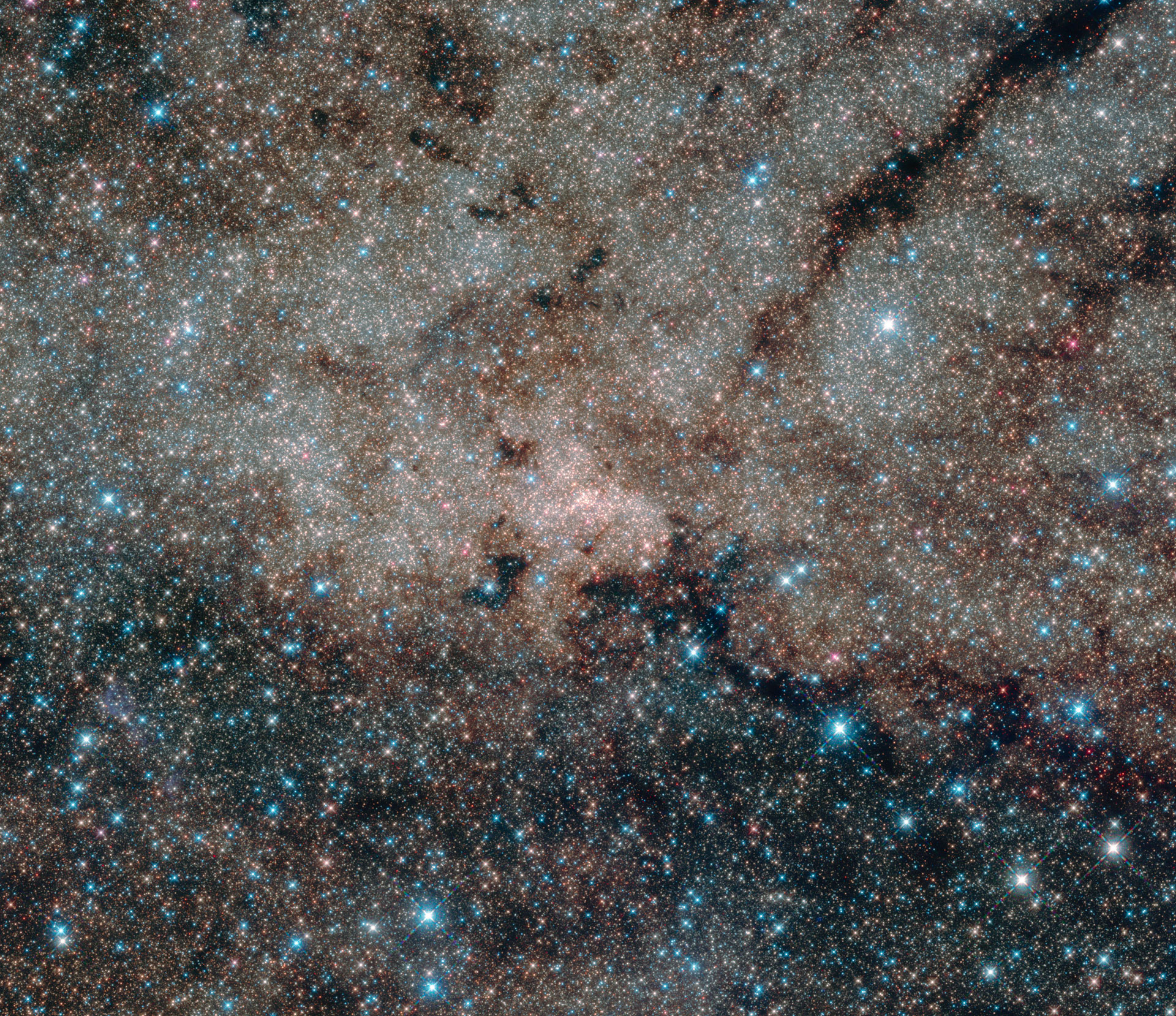
One of the telescope’s most groundbreaking capabilities is its ability to block starlight, enabling direct imaging of distant worlds. This feature could unlock new insights into the formation and evolution of planetary systems, whereas also addressing fundamental questions about dark energy and dark matter—two of the most elusive components of the universe. Julie McEnery, Roman’s senior project scientist, emphasized the mission’s potential for discovery during a recent press conference. “I very much hope, and in fact, expect, that the most exciting science from Roman is going to be the things that we didn’t expect, that we couldn’t predict, but that will set the new deep questions for future missions to address,” she said.
Ahead of Schedule, Under Budget
The completion of the Roman Space Telescope comes eight months ahead of its original timeline and under its projected budget, a rare achievement for a project of this scale. NASA Administrator Jared Isaacman praised the team’s efficiency during a presentation at Goddard, noting that the telescope’s development required over a decade of work and millions of hours of engineering. “This project has not only stayed on track but has also delivered a cutting-edge observatory that will offer Earth a new atlas of the universe,” Isaacman said.
With its assembly now complete, the telescope will be transported to Florida in the coming months for final preparations before its launch aboard a SpaceX rocket. Once in orbit, Roman will join NASA’s fleet of advanced observatories, including the James Webb Space Telescope (JWST), the Euclid Space Telescope, and the venerable Hubble, each contributing unique capabilities to cosmic exploration.
Mapping the Universe at Unprecedented Speed
Roman’s capabilities extend far beyond those of its predecessors. While Hubble has spent over three decades capturing stunning images of the cosmos, Roman is designed to generate more data in a single day than Hubble has accumulated in its entire lifetime. This staggering efficiency will allow astronomers to map vast regions of the universe with remarkable precision, shedding light on the distribution of dark matter and the accelerating expansion of the cosmos.
The telescope’s primary mission is to investigate dark energy—the mysterious force driving the universe’s accelerated expansion—and to study exoplanets in greater detail than ever before. By conducting a comprehensive survey of planetary systems, Roman could reveal patterns in their formation and evolution, offering clues about the potential for life beyond Earth. Its infrared astrophysics capabilities will also enable scientists to peer through cosmic dust clouds, uncovering hidden structures and phenomena that have long eluded observation.
A New Era of Discovery
As NASA prepares for Roman’s launch, the scientific community is buzzing with anticipation. The telescope’s ability to capture wide-field images with Hubble-like clarity will provide a treasure trove of data for researchers, potentially rewriting textbooks on cosmology, astrophysics, and planetary science. With its advanced technology and ambitious goals, Roman is not just another telescope—it’s a gateway to answering some of the most profound questions about our universe.
For now, the focus remains on ensuring a smooth launch and deployment. Once operational, Roman will begin its mission to explore the unknown, building on the legacy of Hubble and Webb while carving its own path in the annals of space exploration. The discoveries it enables could shape the future of astronomy for decades to approach, offering humanity a clearer view of the cosmos than ever before.
“The Nancy Grace Roman Space Telescope will settle essential questions in the areas of dark energy, exoplanets, and infrared astrophysics.”
— NASA Science Mission Directorate
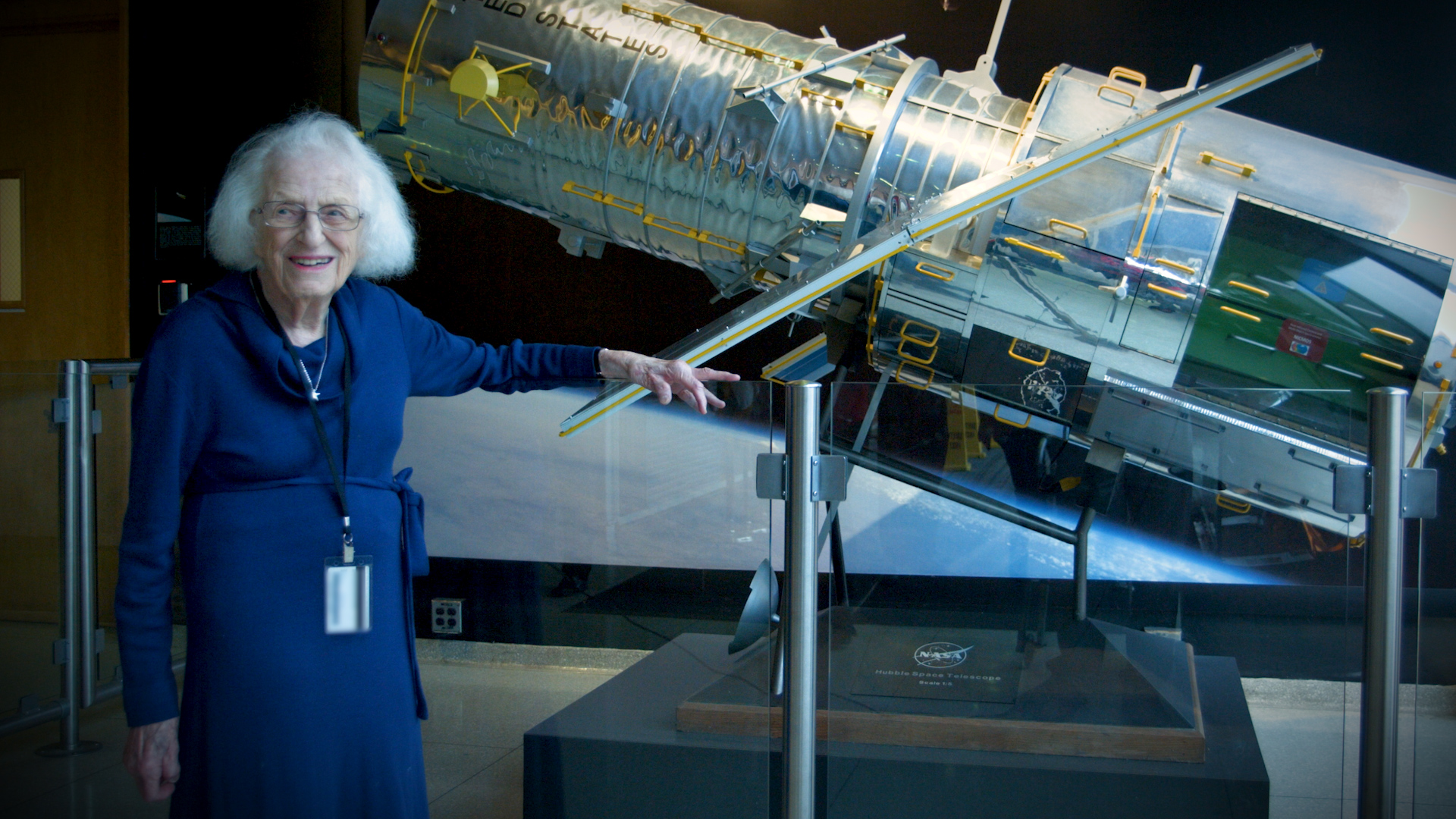
The telescope’s namesake, Nancy Grace Roman, was a pioneering figure in space astronomy, breaking barriers as the first woman to hold an executive position at NASA. Her vision and leadership laid the groundwork for the Hubble Space Telescope, and now, her legacy lives on in this next-generation observatory. As Roman prepares to take its place among the stars, it stands as a testament to human ingenuity and the relentless pursuit of knowledge.
