
Beda Prime expands its specialized healthcare offerings with the addition of renowned coloproctologist Gabriela Portal Monteiro to its gastro Prime unit [[1]].Dr. Monteiro’s arrival comes as awareness grows regarding the importance of addressing often-sensitive gastrointestinal health concerns, and the need for early diagnosis and treatment of conditions affecting the colon, rectum, and anus [[1]]. She joins the team on the fifth floor of Beda Prime, bringing expertise in both medical and surgical interventions for a wide range of digestive disorders.
Coloproctologist Gabriela Portal Monteiro Joins Beda Prime Team
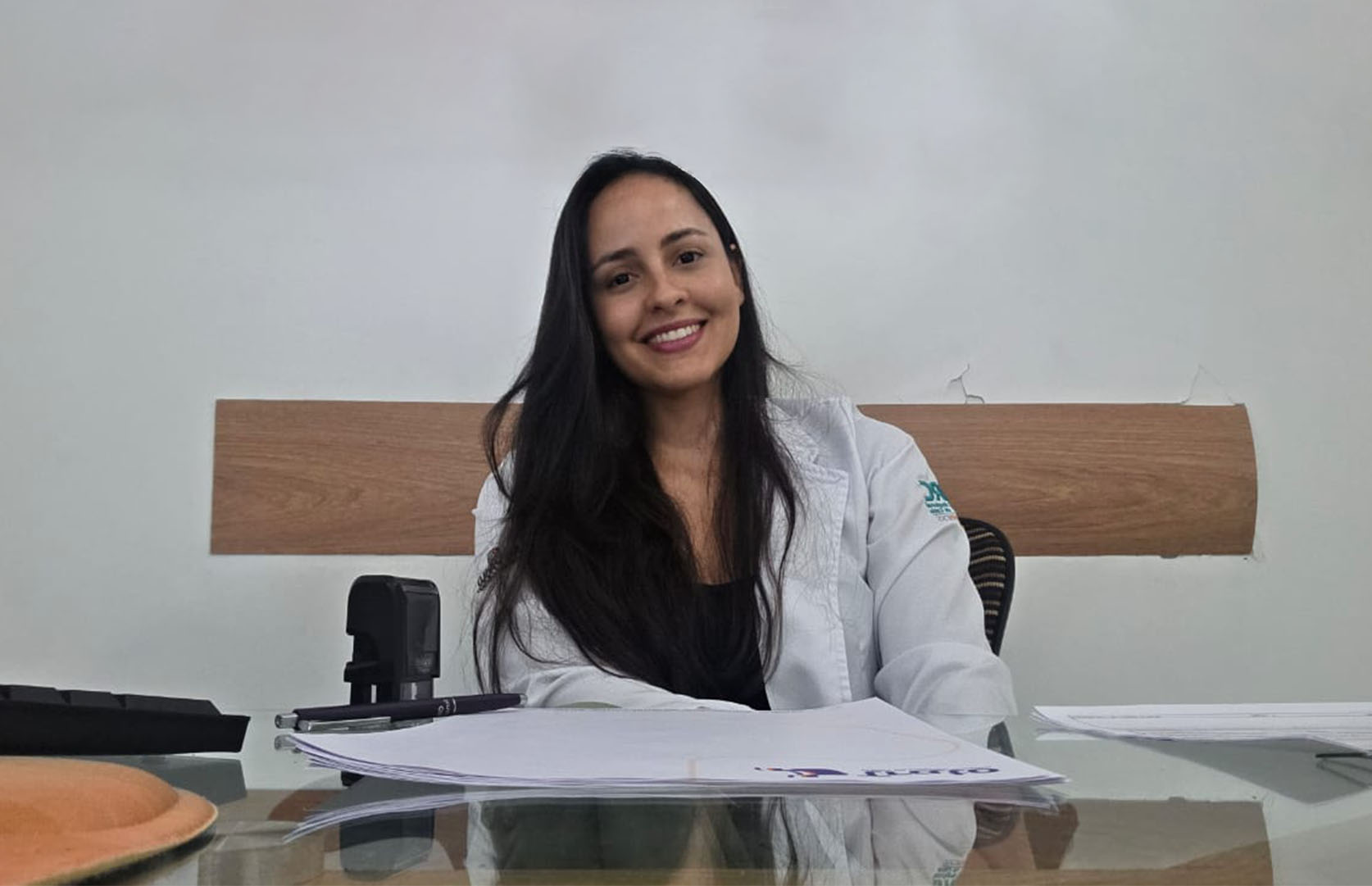
Conditions affecting the colon, rectum, and anus are often shrouded in stigma, fear, and misinformation, which can delay diagnosis and negatively impact patients’ quality of life. This is according to coloproctologist Gabriela Portal Monteiro, who emphasizes the importance of preventative care, regular medical checkups, and paying attention to bodily signals. Dr. Monteiro is now part of the team of professionals at Gastro Prime, a specialized unit on the fifth floor of Beda Prime.
Coloproctology encompasses the treatment of a wide range of conditions. “Among the most common are hemorrhoids, anal fissures and fistulas, rectal prolapse, constipation, fecal incontinence, diverticular disease, inflammatory bowel diseases, chronic diarrhea, polyps, and anal and colorectal neoplasms,” Dr. Monteiro explains. She stresses that seeking expert care is crucial when experiencing persistent symptoms or warning signs.
Specifically, individuals should consult a specialist if they notice “blood or mucus in the stool, a change in bowel habits, unintentional weight loss, persistent abdominal, anal, or rectal pain, and a family history of cancer,” she says, adding that preventative screenings are also essential.
Many patients postpone seeking medical attention due to embarrassment or apprehension. “This behavior is quite common, but it can lead to delayed diagnosis,” Dr. Monteiro warns. “Conditions that would be easily treatable in their early stages can worsen and require more complex and invasive treatments, directly impacting quality of life.”
Other symptoms that should never be ignored include significant unexplained weight loss, anemia, anal pain or itching, mucus discharge, and an urgent need to have a bowel movement – “especially when these symptoms are persistent or progressive,” she adds.
The increasing incidence of colorectal cancer is linked to several factors. “It primarily reflects changes in lifestyle, such as a greater consumption of processed foods, a sedentary lifestyle, obesity, smoking, and excessive alcohol consumption, as well as the aging population and improvements in screening and diagnosis,” Dr. Monteiro explains. Understanding these risk factors is key to proactive health management.
Exams and Treatments
Colonoscopy is a fundamental examination. “For the general population, screening is recommended starting at age 45. In cases with a family history, it’s ideal to begin at 40, or ten years before the age at which a family member was diagnosed. The exam may be indicated at any age when warning signs are present, and patients with inflammatory bowel diseases should begin screening between eight and ten years after diagnosis, also considering specific genetic syndromes.”
A diet low in fiber and high in processed foods, a sedentary lifestyle, and stress can disrupt the gut microbiome, promote inflammation, and exacerbate conditions like constipation. Common conditions such as hemorrhoids and anal fissures also require attention. “If left untreated, they can progress to more complex conditions, such as thrombosed hemorrhoids, increased prolapse, chronic bleeding, inflammation, ulceration, persistent pain, abscesses, and fistulas,” she cautions.
In recent years, coloproctology has seen advancements in less invasive procedures, reducing pain, hospital stay duration, and accelerating recovery. These options include laser treatment for hemorrhoidal disease, fissures, and fistulas; procedures aided by Doppler technology; botulinum toxin injections; sacral neuromodulation; and techniques like videolaparoscopy and robotic surgery. For patients with chronic intestinal diseases, regular follow-up is essential. “It allows for better treatment control, reduction of flare-ups, prevention of complications, appropriate cancer screening, and improvement of nutritional status and mental health, promoting a better quality of life,” she concludes.
