
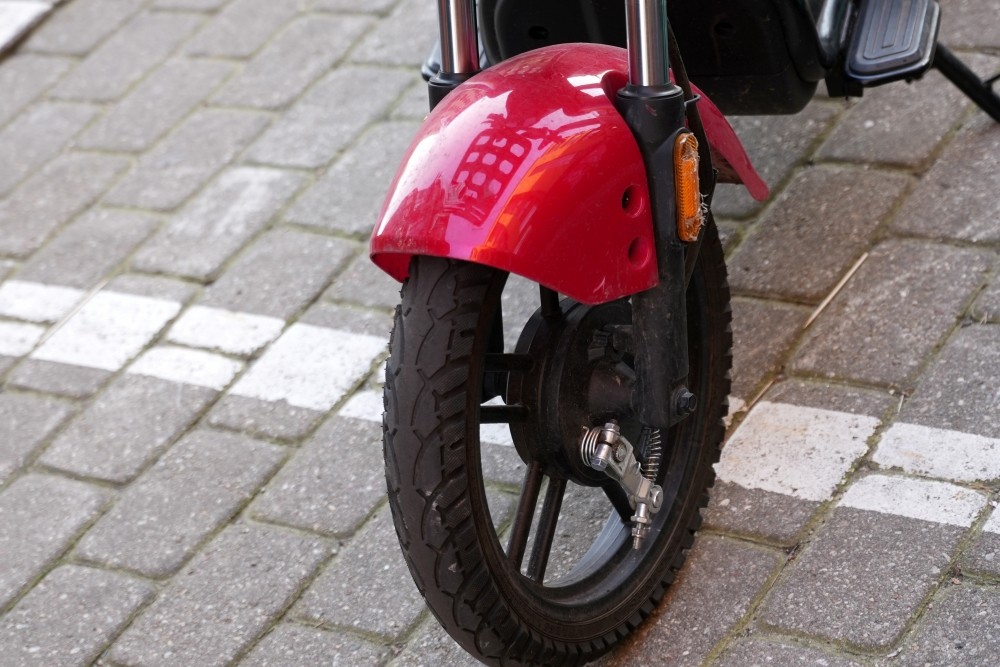
Latvia Mandates Registration and Insurance for Self-Propelled Bicycles Starting May 1
Owners of self-propelled bicycles in Latvia must complete vehicle registration and secure compulsory third-party liability insurance (OCTA) by April 30, 2026, to avoid legal penalties. Beginning May 1, 2026, authorities will begin enforcing administrative liability for those operating unregistered vehicles or those lacking the required insurance, according to new regulatory requirements.
The mandate is part of a broader overhaul of the “Ceļu satiksmes noteikumi” (Traffic Rules), which took effect on April 1, 2026. These amendments introduce a specific legal category for “self-propelled bicycles,” defined as bicycles equipped with an electric motor with a power output not exceeding 1,000 watts (W) that automatically shuts off once the vehicle exceeds a speed of 25 kilometers per hour (km/h). This regulatory shift aims to standardize the classification of micro-mobility tools and eliminate previous legal ambiguities that allowed operators to speculate on different interpretations of the law.
The new framework imposes stricter movement restrictions to enhance urban safety. Most notably, the use of self-propelled bicycles on sidewalks is now strictly prohibited. Transport Minister Atis Švinka stated that the goal of these amendments is to balance the interests of all road users, with a primary focus on protecting vulnerable pedestrians, including children and senior citizens, even as fostering a more respectful culture of movement in city centers.
While the legal tools for enforcement are now in place, authorities have indicated a pragmatic approach to policing. Andrejs Aronovs, Deputy Chief of the Riga Municipal Police, noted that the police do not possess sufficient resources to monitor every individual self-propelled bicycle. However, he emphasized that the priority will shift away from formal technical violations—such as the absence of a reflector light—to focus instead on “aggressive drivers.”
The decision to tighten regulations highlights the growing economic and social impact of micro-mobility in Latvian cities. By integrating these vehicles into a formal registration and insurance system, the government seeks to mitigate conflicts in shared urban spaces and ensure that operators are held financially accountable for accidents. As the May 1 deadline approaches, insurers report that the first OCTA policies for this vehicle category are already being issued.
The updated rules also provide clearer guidelines for the use of sports and leisure equipment and refine how micro-mobility tools may navigate pedestrian crossings and paths. These measures are intended to modernize traffic management in alignment with the rapid proliferation of e-scooters and electric bicycles, as noted by municipal police reminders.
Despite the regulatory push, the transition has not been without friction. Some users have expressed frustration over the new registration requirements, while others have pointed to ongoing disorder on Riga’s streets as a sign that infrastructure may not yet be fully equipped to handle the shift. Reports of public dissatisfaction regarding urban clutter continue to surface as the city balances new laws with existing infrastructure challenges.
For more details on compliance, owners are encouraged to review the updated Traffic Rules and ensure their vehicles meet the power and speed specifications to qualify under the current micro-mobility guidelines, as detailed by recent legal updates.
