
Unicode is evaluating nine potential additions to its growing library of emojis, including a pickle and a left-hand thumb, as part of the proposed Emoji 18.0 update slated for 2026. While seemingly simple, the addition of new emojis involves a rigorous standardization process overseen by the Unicode Consortium, ensuring consistent display across a wide range of devices and platforms. This process highlights the ongoing effort to evolve digital language and reflects the ever-changing ways people express themselves in online communication-a system that began with a simple elevator prank over four decades ago. The final decision,and subsequent rollout,could still take well into 2027.
Unicode is considering nine new emojis to expand the expressive capabilities of mobile devices, a process that, while complex, aims to better reflect how people communicate digitally. The proposed additions, currently in draft form for 2026, offer a glimpse into evolving trends in online expression.
The draft list includes a face with narrowed eyes expressing displeasure, left and right thumb emojis, a pickle, a lighthouse, a butterfly, a meteor, an insect-catching net, and an eraser. These potential additions, with skin-tone variations where applicable, are designed to fill gaps in the existing emoji library and provide users with more nuanced ways to convey their thoughts and feelings.
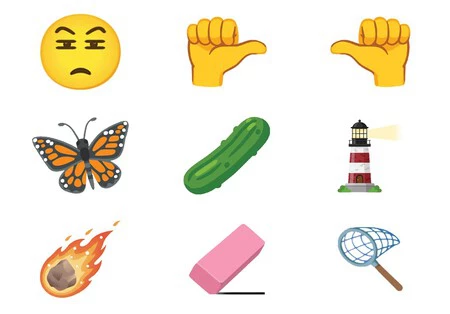
However, it’s important to note that this is currently a draft for Emoji 18.0, and the proposals are subject to change. The list could be modified, with emojis added or removed, before final approval. This iterative process reflects the ongoing effort to standardize digital communication across platforms.

Unicode will review the proposals throughout 2026, with a final decision expected by September. This means the pickle – or any other candidate – could still be excluded, as has happened with previous proposals like the apple core, which was considered but ultimately not included. The standardization process ensures broad compatibility and consistent rendering across different devices and operating systems.
Once Unicode approves the final list, the responsibility shifts to manufacturers like Apple and Google to design their own versions based on the approved concepts. This explains why the same emoji can appear slightly different on various devices. The design phase allows companies to integrate the new emojis into their specific visual styles.
The entire process – from approval to design and implementation – takes time. Even if the final list is approved in September 2026, there may be a further delay before the emojis appear on your keyboard. In fact, emojis approved in 2025 are still not yet widely available. This highlights the complex logistical challenges of rolling out new digital features across a diverse ecosystem of devices and platforms.
The history of emojis reveals their origins in a 1980s elevator prank, demonstrating how far digital communication has evolved.
Security experts recommend against using emojis in passwords, despite their increasing popularity, to maintain robust account protection.
