
Norway’s transition to electric vehicles has turn into unavoidable, according to the French tech news site futura-sciences.com.
For years, Norway eliminated purchase taxes on electric vehicles, exempted those under 500,000 Norwegian kroner (approximately $46,000 USD as of February 14, 2026) from value-added tax (VAT), offered reduced tolls, cheaper parking, and allowed access to bus lanes.
In October 2025, the Norwegian Ministry of Finance reported that electric vehicles accounted for roughly 95% of the market share, effectively achieving the country’s electrification goals. The indirect subsidies from public funds totaled nearly 38 billion Czech koruna annually, equivalent to approximately $1.65 billion USD.
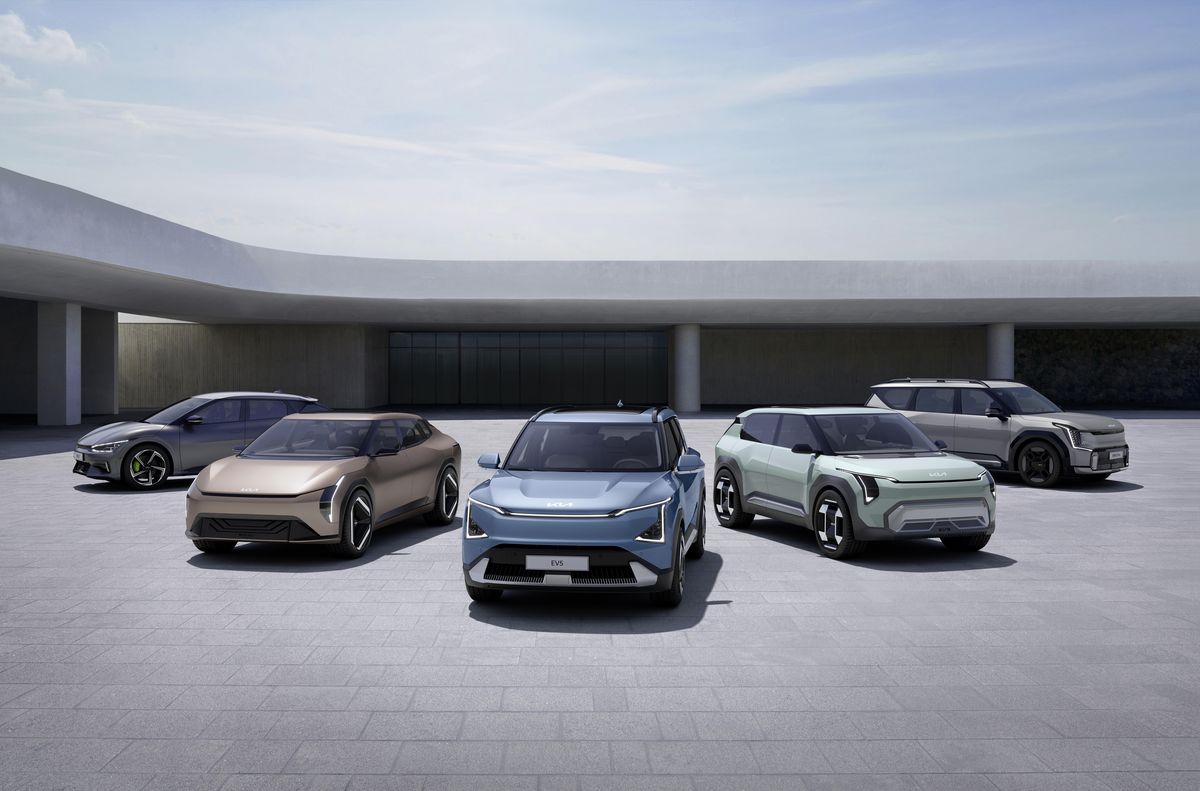
Photo: Kia
At the end of 2025, Norwegians were buying electric vehicles at a rapid pace, driven by the incentives available.
As a result of achieving these goals, incentives are being gradually phased out. As of January 2026, VAT exemption applies to vehicles costing up to 300,000 Norwegian kroner (approximately $27,600 USD), a significant reduction from the previous threshold of 500,000 Norwegian kroner (approximately $46,000 USD).
To illustrate the change, consider a vehicle purchased in 2025 for $46,000 USD. Buyers saved $11,500 USD in VAT. Purchasing the same vehicle this year will cost $57,500 USD, with the additional $11,500 USD representing the VAT.
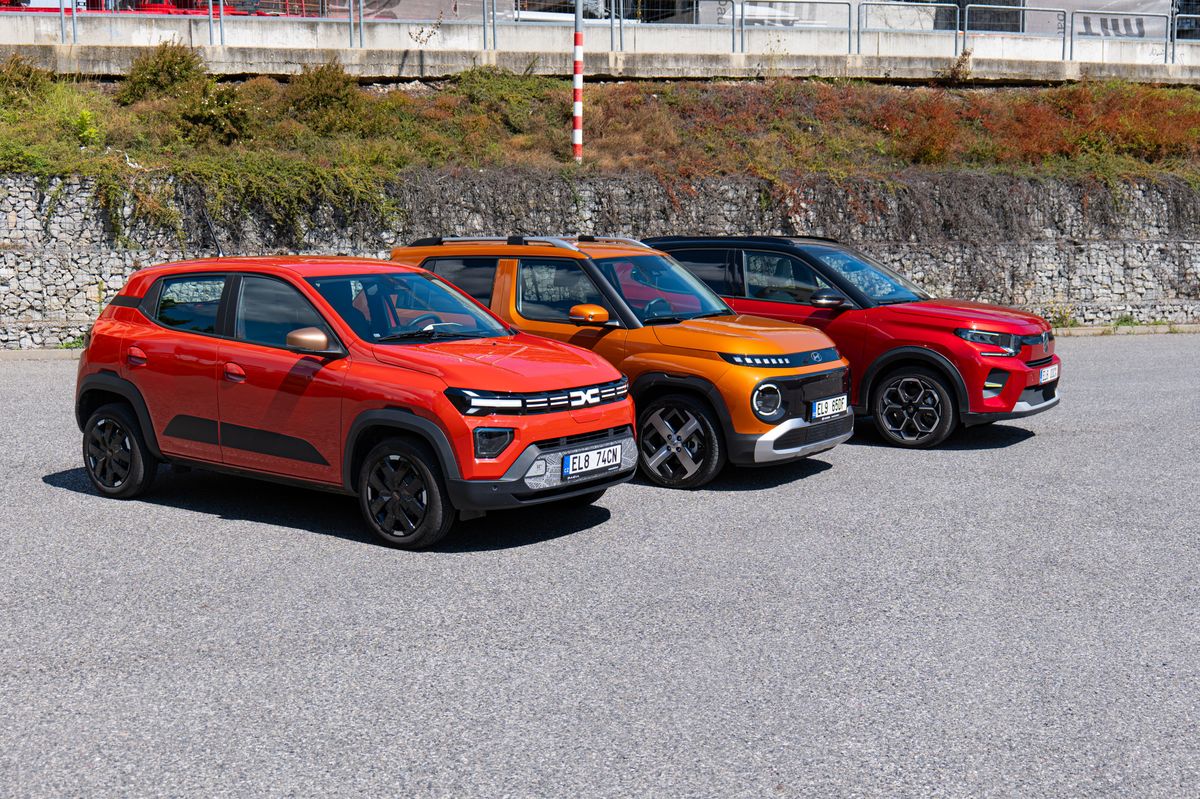
Photo: Lukáš Kukla
The tax relief now only applies to electric vehicles priced under 300,000 Norwegian kroner, excluding many standard models.
Further tightening is planned, with tax exemptions scheduled to apply only to cars costing up to 150,000 Norwegian kroner (approximately $13,800 USD) in 2027, and to be completely eliminated by 2028, according to both futura-sciences.com and the Norwegian server elbil.no.
The Norwegian Electric Vehicle Association has labeled the plan as destabilizing and warned that consumers may revert to gasoline-powered used cars. The Norwegian government, however, views it as a path toward equilibrium.
Gasoline and diesel vehicles will continue to face high purchase taxes and fuel taxes, maintaining a price gap between electric and internal combustion engine vehicles.
Rise and Fall
What happened at the end of 2025? Consumers rushed to take advantage of the existing incentives, registering vehicles at an unprecedented rate. Data from the Norwegian Public Roads Administration (OFV) clearly illustrates this.
In September 2025, 14,329 modern vehicles were registered in Norway, followed by 11,138 in October, and 19,899 in November. December 2025 saw registrations surge to 35,188 new vehicles, while January 2026 plummeted to 2,218 vehicles – a staggering 93.69% decrease.
As recently as December 2025, Tesla led with monthly sales of 5,679 units, followed by Volkswagen with 5,248 units, and Volvo with 2,621 units.

Photo: Jiří Čermák
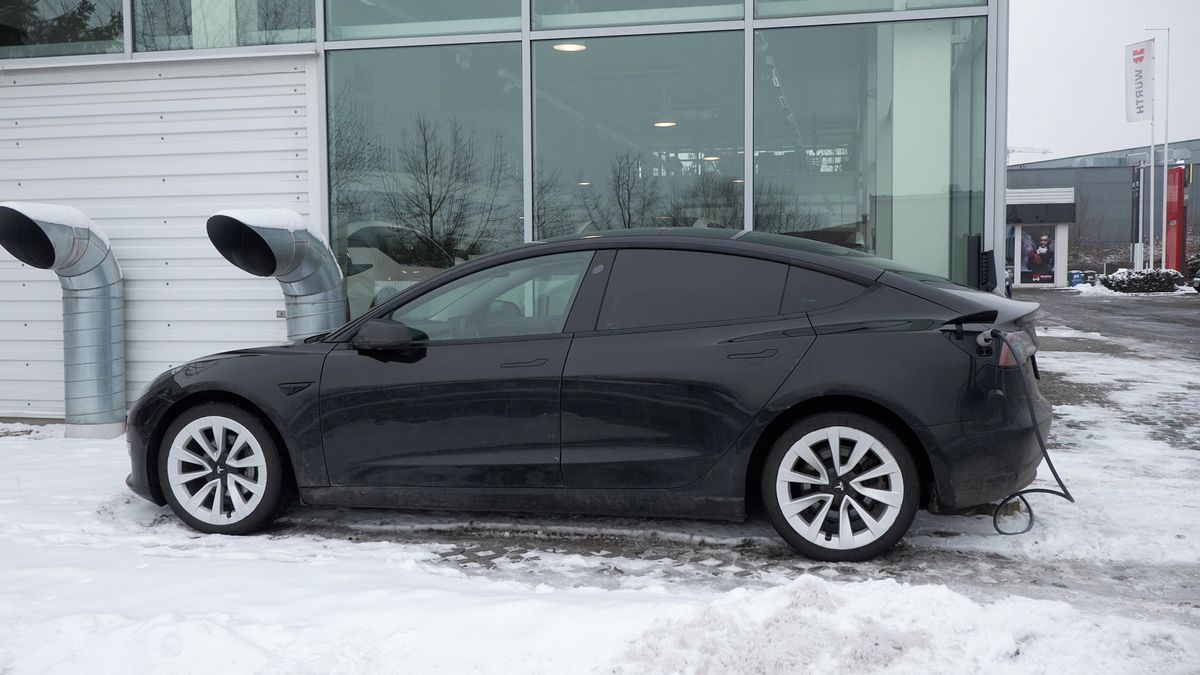
Last year, Tesla’s Model Y dominated the Norwegian market. This year, sales have declined significantly.
In January 2026, Volkswagen took the top spot with 441 units (a 91.59% decrease), followed by Toyota with 295 units (an 86.6% decrease), and Škoda Auto with 127 units (a 94.02% decrease). Tesla fell to sixth place with 82 units (a 98.55% decrease).
Despite the decline, electric vehicles still accounted for 94% of sales, with diesel taking second place at 4.4% and other powertrains making up the remainder.
In December 2025, the most popular models in Norway were the Tesla Model Y, Volkswagen ID.4, and Toyota bZ4X. In January 2026, the Volkswagen ID.3 took the lead, followed by the Toyota bZ4X and Urban Cruiser. The Elroq model, recently named Car of the Year 2026 in the Czech Republic, finished fourth. The Tesla Model Y dropped to seventh place.
Electric Surpasses Diesel
German publication electrive.com as well commented on the situation, noting that this effect, combined with the general market trend in Norway, led to battery-electric vehicles surpassing diesel vehicles in the national vehicle fleet.
See how Tesla’s autonomous driving system works under supervision in the Czech Republic.Video: Jan Majurník, Ondřej Svoboda
This was confirmed in a recent report by the Norwegian Public Roads Administration (OFV). The report states that of the total number of passenger cars in Norway (approximately 2.9 million as of December 2025), approximately 32.6% are electric, 31.3% are diesel, and 23.5% are gasoline-powered.
However, OFV Director Geir Inge Stokke stated that the tax changes shortly before the turn of the year create artificial peaks and declines, unnecessarily halting and restarting the market.
January’s figures do not indicate a stagnation of demand, but are a result of the surge in sales in December 2025. Registration of new cars will increase again as the market stabilizes, Stokke expects.
