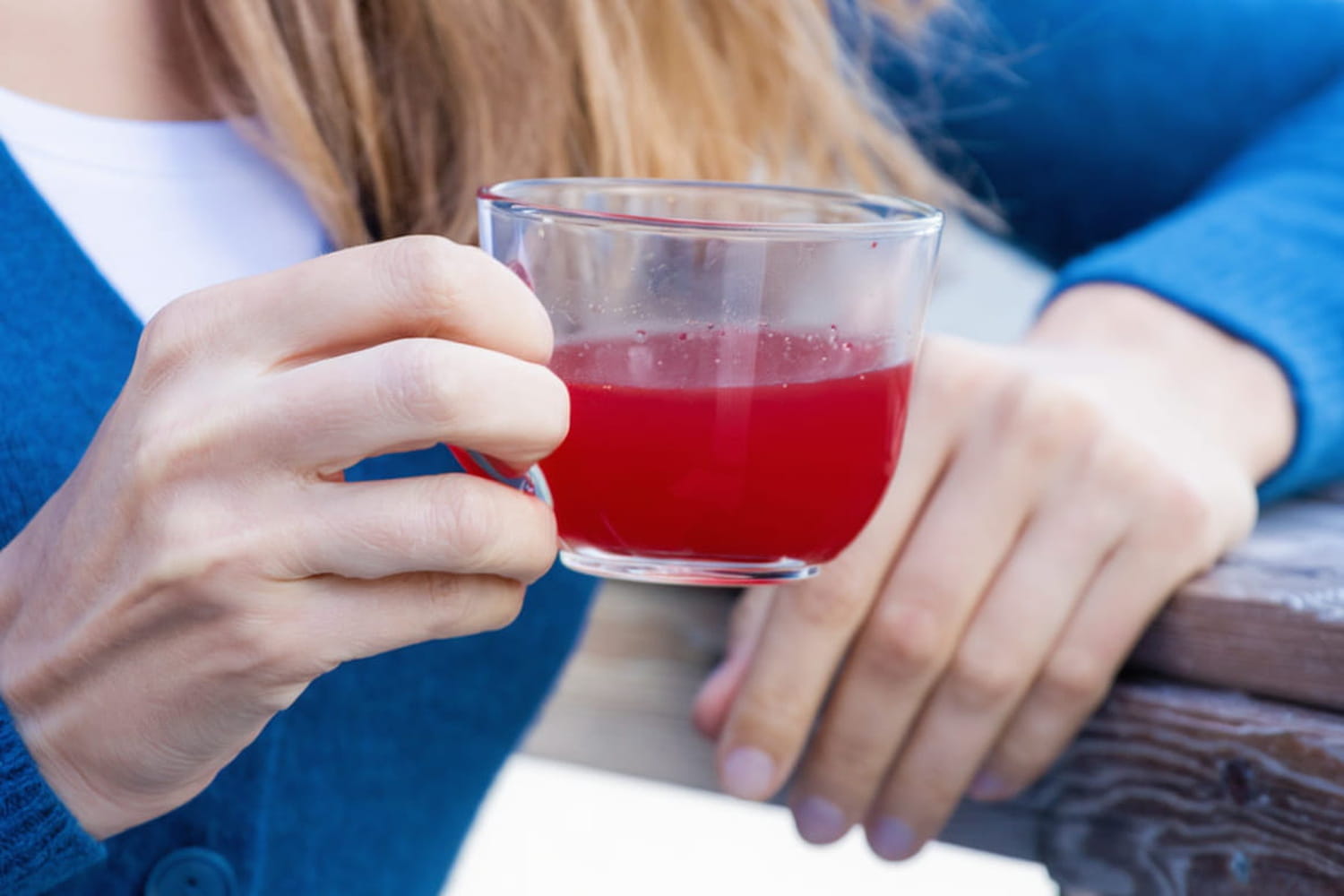
A seemingly wholesome, vitamin-rich beverage may be quietly impacting liver health and contributing to fat storage, despite its popular image. Although often perceived as a healthy alternative to soda, daily consumption of this common drink could have unintended metabolic consequences. Understanding these effects is crucial for maintaining optimal wellness and preventing potential health issues.
This everyday beverage is a staple in many households, frequently served with breakfast, included in brunches, and considered a healthier option than sugary sodas. Its marketing emphasizes natural ingredients and vitamin content, leading many to believe it’s an essential part of a balanced diet. Supermarkets dedicate extensive shelf space to this product, but its metabolic impact differs significantly from its perceived benefits. “There’s very little positive about this drink: it contains no fiber, as much sugar as a soda, and will therefore be inflammatory,” warns Audrey Vergès, a naturopath.
Fiber typically acts as a protective barrier against metabolic stressors. Without this barrier, sugar – particularly in liquid form – floods the liver. Overwhelmed, the liver converts excess sugar into fat. This process of fat storage in liver cells mirrors that caused by alcohol consumption, making regular intake a significant risk factor for weight gain and metabolic diseases. Studies, including research published in Nature Metabolism and by the University of Barcelona, demonstrate that a large influx of liquid fructose saturates the liver’s capacity. The brain doesn’t register calories from liquids in the same way as those from solid foods, potentially leading to overconsumption without conscious awareness.
This includes commercially produced orange juice, even varieties labeled “no sugars added.” Some “no sugar added” juices utilize concentrates of grape or apple juice as natural sweeteners, substantially increasing fructose content without clear labeling. Even “100% pure juice” undergoes industrial processing that diminishes its nutritional qualities. High-temperature pasteurization, necessary for preservation, largely destroys vitamin C – often the primary health argument for consuming the beverage – prompting manufacturers to artificially add it back in.
Millions commence their day with a large glass of commercially produced orange juice, believing they are making a healthy choice. It’s perceived as a source of vitamin C, natural, and marketed as the perfect complement to a balanced breakfast. An occasional glass, enjoyed with brunch or on special occasions, isn’t problematic. “It’s the daily morning habit, often consumed on an empty stomach, that becomes problematic for the liver and blood sugar levels.” a detail often overlooked: a single glass of orange juice requires the juice of 3 to 4 oranges. Few people would spontaneously eat that many fruits at once, yet we ingest that amount of sugar in just a few sips.
Audrey Vergès suggests alternatives that are more liver-friendly. “You can occasionally drink freshly squeezed juice, consumed immediately to retain some fiber and better nutritional quality.” She also notes that grapefruit juice may be a better option, as it’s naturally lower in sugar than orange juice. Yet, caution is advised when taking medications, as grapefruit can interact with numerous drugs, including statins, treatments for hypertension, heart disease, and immunosuppressants.